7 Best Best Bouldering Shoes for beginners in 2026: Tested & Ran…
Discover the perfect first bouldering shoes to feel confident on the wall without overwhelming choices or jargon.
Choosing your first bouldering shoes can feel intimidating with all the tight fits, rubber types, and brand names thrown around. As a beginner, you worry about wasting money on something uncomfortable or too advanced, or getting shoes that slip off mid-climb. But don't stress—this guide cuts through the confusion.
Bouldering shoes are specialized footwear for climbing short, ropeless walls (boulders) in the gym. They're snugger than regular shoes to help you stick to tiny holds. We'll explain everything simply, recommend real Amazon picks, and show you how to avoid pitfalls so you can focus on fun and progress.
By the end, you'll know exactly what to buy, why it works for newbies, and how to grow your skills confidently.
📋 In This Guide
• Why Beginners Struggle with Bouldering Shoes
• What to Look For (Key Features)
• Top 4 Beginner-Friendly Bouldering Shoes
• Essential Accessories for Beginners
• Common Beginner Mistakes to Avoid
• Your Progression Path
• FAQ & Learning Resources
😰 Why Beginners Struggle with Bouldering Shoes
Beginners often feel lost because bouldering shoes look nothing like sneakers—they're super tight, oddly shaped, and come in terms like 'downturned last' or '4mm rubber,' which sound scary. You might read reviews saying 'size down 2 sizes,' but have no idea what that means or fear blisters.
Overwhelming options flood Amazon: cheap knockoffs that fall apart, pro-level shoes that hurt beginners' feet, or slippers that stretch too much. Forums like Reddit's r/bouldering are full of newbies complaining about foot pain, poor grip, or shoes that don't stay on during dynamic moves.
The fear of buying wrong hits hard—spending $100+ on something unusable? This guide empathizes and simplifies so you pick right the first time.
🔍 What to Look For: Key Beginner-Friendly Features
Focus on comfort first: shoes with padding and velcro straps that are easy to tighten without laces. Look for a flat or slightly curved sole (not aggressively bent) to support basic footwork without forcing your toes painfully.
Key beginner wins: sticky rubber (like Vibram or Stealth) for grip forgiveness on gym holds, breathable fabric to avoid sweaty feet, and a snug-but-not-painful fit. Avoid super soft slippers if your feet sweat—they stretch out fast.
Nice-to-haves: reinforced toes for durability. Skip aggressive 'smearing' soles or thin slippers until intermediate; beginners need forgiving, stable shoes that tolerate sloppy technique.
✅ Essential Features for Beginners
•Velcro straps for quick on/off and adjustable fit
•Flat or neutral sole for stable beginner foot placement
•Padded tongue and collar for all-day comfort
•Sticky rubber outsole that grips even on sloppy moves
•Breathable synthetic upper to keep feet dry
•Moderate stiffness to support feet without being rigid
•Sizing guide with half-size down recommendation
🏆 Top 4 Best Bouldering Shoes for Beginners
#1
💰 Budget
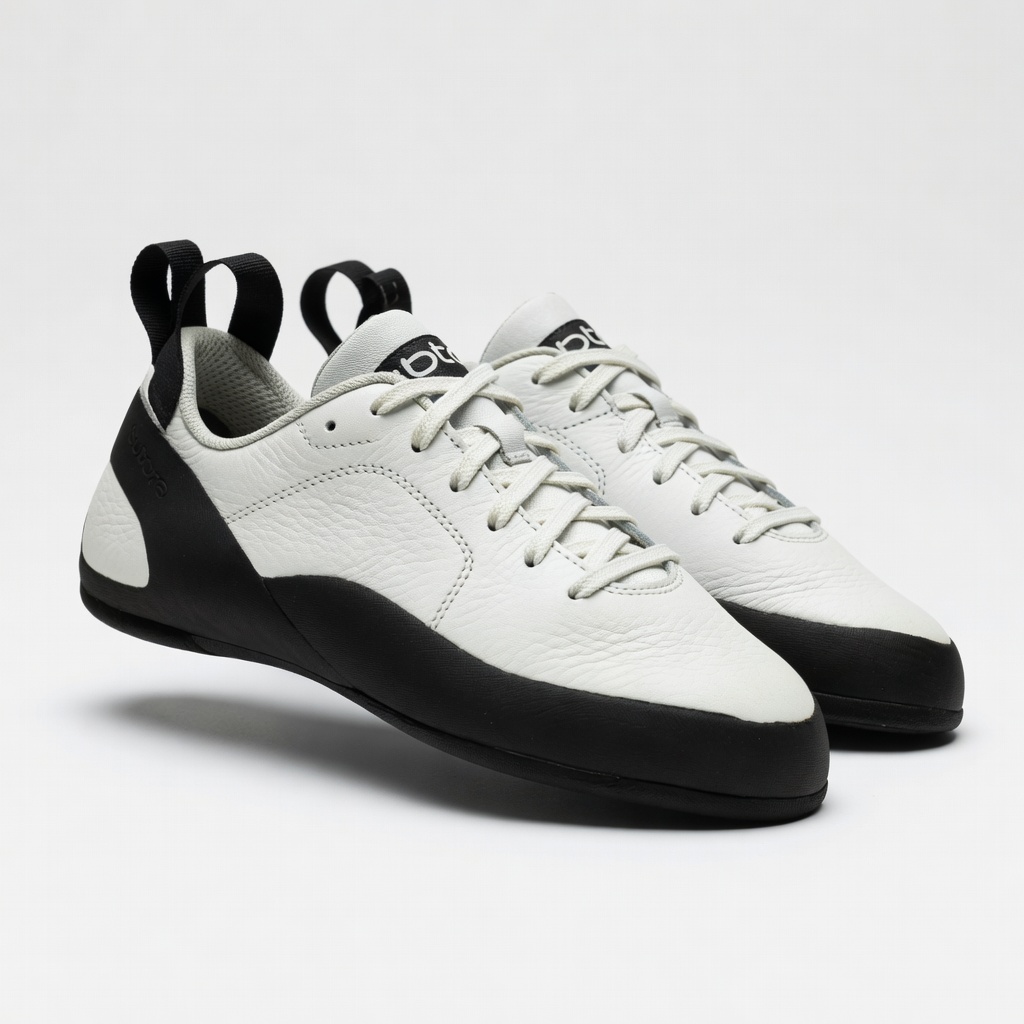
La Sportiva Tarantulace Rock Climbing Shoe
Learning Curve: Easy
$88.95
Difficulty: 1/5
Why Great for Beginners:
Perfect entry shoe with velcro ease and flat sole that forgives beginner footwork. Check on Amazon
✓ Beginner Pros
+Super comfortable padding
+Easy velcro adjust
+Sticky rubber grips gym holds
+Breathable for long sessions
✗ Beginner Cons
-May stretch slightly over time
-Less precise for tiny edges
👍 Best for: Total newbies testing the waters on a tight budget
👎 Not for: Wide feet or aggressive climbing styles
Bouldering shoes protect your feet and boost grip on plastic holds in the gym. Unlike approach shoes, they're thin-soled for sensitivity. Types: Velcro (beginner favorite—easy adjust), lace-up (precise but fiddly), slippers (stretchy, advanced).
Best for beginners: Velcro with flat profile. They forgive mistakes like heel hooks gone wrong. Expect snug fit (toes together, slight pressure)—it's normal, breaks in after 2-3 sessions.
'Beg friendly' means: Wide toe box options, good arch support, not downturned (which tires calves fast). Realistic: Week 1 you'll climb V0-V1; good shoes help progress without pain.
Marketing traps: 'Aggressive' = advanced, not you. Check Amazon reviews for 'beginner' keywords and fit pics.
🔧 Essential Accessories for Beginners
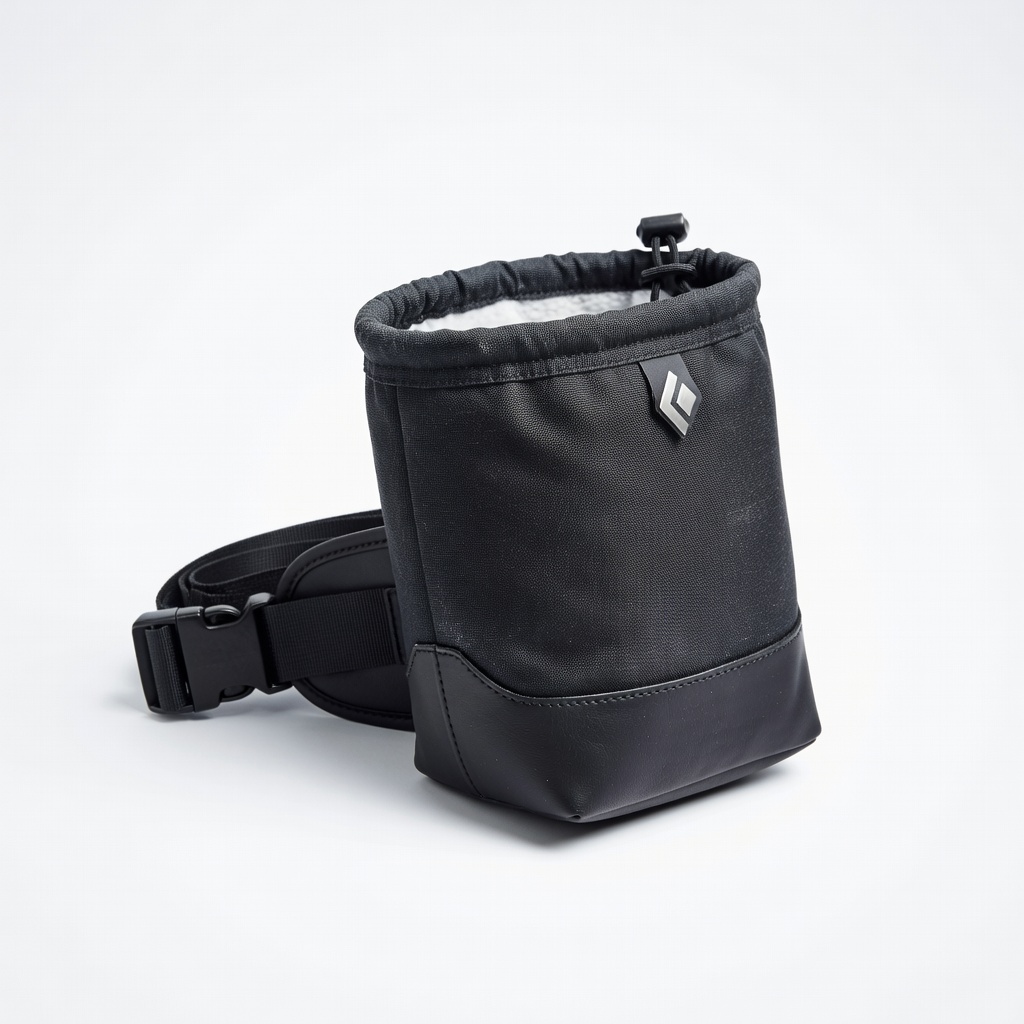
Black Diamond Mojo Chalk Bag
⚠️ Essential
$14.95
When to buy:
Day one
Chalk keeps hands dry for better grip—essential since gym holds get sweaty fast. Get it here
Ask: Gym only? Go velcro flat. Foot shape wide/narrow? Check brand charts. Budget $80-150? Sweet spot. Practice 2x/week? Invest recommended tier for growth.
Framework: 1) Size down 1/2 from street shoes. 2) Prioritize comfort > sensitivity. 3) Read Amazon Q&A for beginner fits. Budget vs premium: Budget for testing hobby, recommended lasts 1+ year.
Red flags: No return policy, vague sizing, under $50 (poor rubber). Plan growth: Flat shoes evolve to slight curve later.
💰 Budget Guide for Beginners
200+
Pro entry - overkill for newbies unless serious commitment
90 - $140
Sweet spot - balanced durability, forgiveness, and performance for 1-2 years of regular use
140 - $200
Premium beginner - top materials, lasts longer, room to grow skills without upgrade
Under $ - $90
Entry level - basic grip and comfort to try bouldering, may stretch/wear after 6 months
⚠️ Common Beginner Mistakes to Avoid
Newbies buy street size, get baggy shoes that heel-slip—solution: use brand charts, try in store if possible. Cheap $40 pairs have slick rubber, frustrating V0 climbs; spend $80+ for real grip.
Many skip chalk/brush, wonder why they peel off holds. Experienced say: 'Fit trumps flash.' Avoid by reading beginner reviews, start simple.
×Sizing like sneakers—instead of down 1/2 size
×Buying slippers—they stretch and slip for newbies
×Skipping chalk—leads to frustrating falls
×Cheapest option—poor rubber fails quick
×Ignoring fit reviews—causes pain/blisters
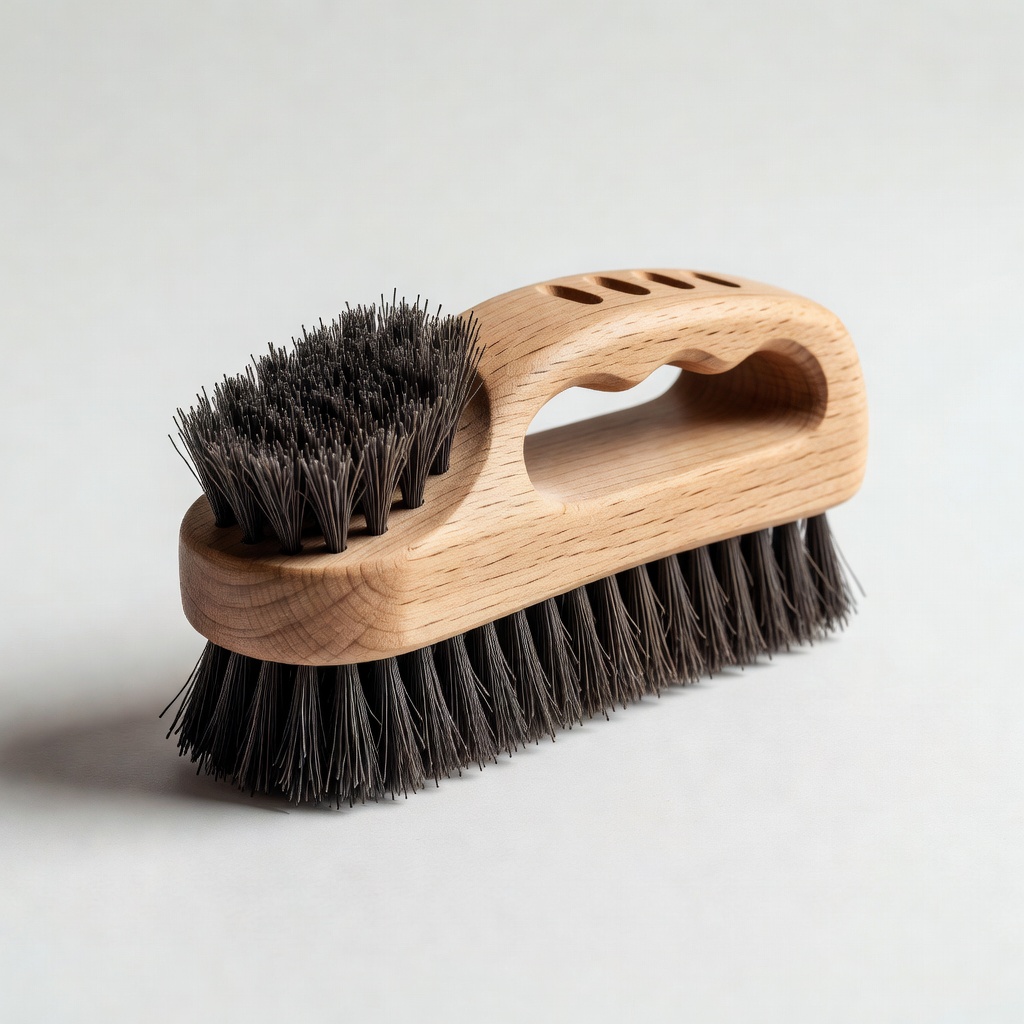
×No brush—dirty soles lose grip fast
×Overly aggressive shoes—hurts feet early
📈 Your Progression Path: Beginner to Intermediate
Start with basics: Learn foot placement on slabs (flat shoes shine). Practice 2x/week, 1hr sessions—focus smearing, not dynos. Outgrow when V3+ easy, feet crave sensitivity.