Review Atlas
Review AtlasYour guide to a better purchase

Menu

Shop by Category

Get the App

Better experience on mobile

Beginners Guideβ€’Climbing

Best Bouldering Mat for Beginners 2025

Pick your first crash pad with confidence – our guide simplifies choices, top picks, and mistakes to avoid for safe bouldering starts.

Choosing your first bouldering mat (also called a crash pad) feels overwhelming when you're new to climbing. You've seen pros flipping massive pads around gyms or outdoors, and suddenly terms like 'foam density,' 'thickness,' and 'bridging' make your head spin. Will it protect you from falls? Is it too heavy to carry? This guide cuts through the confusion.

Bouldering mats are padded landing zones for when you slip off low climbs without ropes. Beginners worry about safety, portability, and not wasting money on something too basic or fancy. We'll show you exactly what matters, recommend real Amazon products, and build your confidence to buy right.

By the end, you'll know your perfect starter mat, must-have add-ons, and how to grow into better bouldering – all without jargon or guesswork.

πŸ“‹ In This Guide

  • β€’ Why Beginners Struggle with Bouldering Mat
  • β€’ What to Look For (Key Features)
  • β€’ Top 4 Beginner-Friendly Bouldering Mat
  • β€’ Essential Accessories for Beginners
  • β€’ Common Beginner Mistakes to Avoid
  • β€’ Your Progression Path
  • β€’ FAQ & Learning Resources

😰 Why Beginners Struggle with Bouldering Mat

New boulderers often feel lost staring at dozens of mats online or in stores. Sizes range from tiny yoga-pad-like to truck-bed huge, thicknesses from skinny 2 inches to plush 6+, and prices jump from $100 to $500+. 'What's enough protection without lugging a beast?'

Jargon like 'open-cell foam,' 'taco fold,' or 'EPP vs. PU' sounds expert-only, but beginners just want something safe and simple. Forums like Reddit's r/bouldering echo fears: buying too thin and getting hurt, or too heavy and never using it outdoors.

The big anxiety? Falls hurt even from 6 feet up. Without guidance, you risk cheap mats that bottom out on hard falls or pricey ones gathering dust because they're impractical for solo practice.

πŸ” What to Look For: Key Beginner-Friendly Features

Focus on three must-haves: thickness (at least 4-5 inches for forgiving landings), size (4x5 feet minimum to cover your fall zone), and strong handles/straps for easy carry. These tolerate beginner slips without bruising you or the pad.

Nice-to-haves: weatherproof cover (vinyl or ballistic nylon) for outdoor use and skin-friendly top fabric to avoid mat burns. Skip extras like wheels or hinges – they're for advanced users hauling pro gear.

Beginner-friendly mats are lightweight (under 20 lbs), fold simply, and have dense foam that doesn't bottom out. 'Forgiving' means it cushions awkward falls; 'intuitive' means setup in seconds, no tools needed.

βœ… Essential Features for Beginners

  • β€’4-6 inch thickness: Absorbs low falls without feeling rock-hard.
  • β€’4x5 ft or larger size: Covers your body plus a safety margin.
  • β€’Multiple handles and straps: Easy solo carry to crags or parks.
  • β€’Weather-resistant cover: Cleans easy, lasts outdoors.
  • β€’Dense foam core: Forgiving on off-angle landings.
  • β€’Simple fold design: Quick setup/teardown, no fuss.
  • β€’Skin-friendly surface: Reduces scrapes during slides.

πŸ† Top 4 Best Bouldering Mat for Beginners

#1
πŸ’° Budget

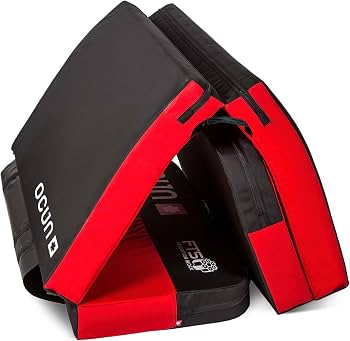
Fitsly Bouldering Crash Pad, 6in Thick Climbing Pad

Learning Curve: Easy

$159.99
Difficulty: 1/5
Fitsly Bouldering Crash Pad, 6in Thick Climbing Pad

Why Great for Beginners:

This pad's 6-inch thickness forgives newbie falls perfectly without bottoming out. At 16 lbs, it's light enough for solo carry to local spots. Simple taco fold sets up in seconds.

βœ“ Beginner Pros

  • +Super thick for safe landings
  • +Lightweight and portable
  • +Affordable entry
  • +Easy to store

βœ— Beginner Cons

  • -Basic cover wears faster outdoors
  • -No extra straps
πŸ‘ Best for: Gym starters or budget-conscious solo boulderers
πŸ‘Ž Not for: Frequent outdoor groups needing wide pads

#2
πŸ‘ Recommended

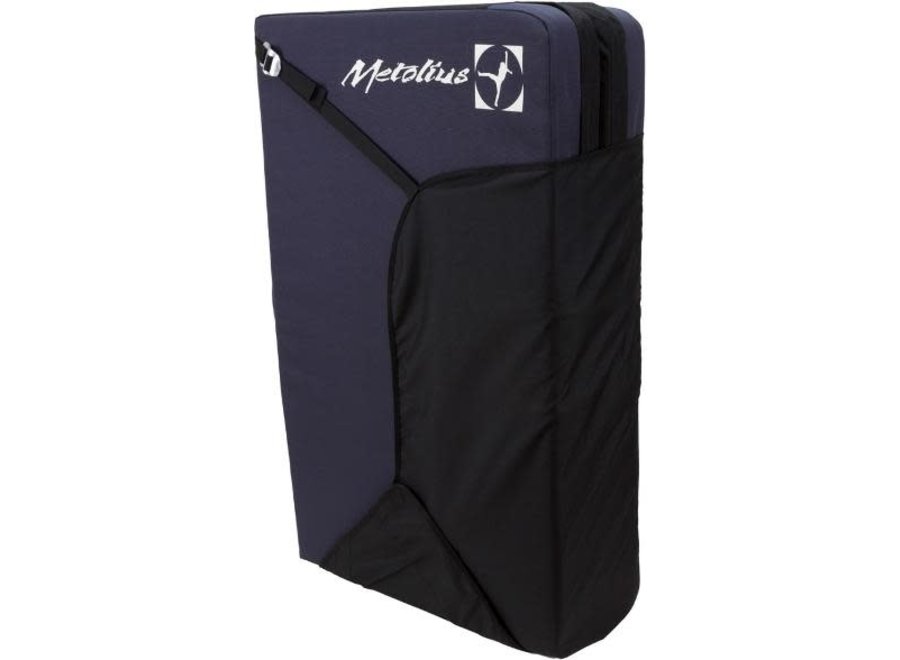
Metolius Session 4 Crashpad

Learning Curve: Easy

$279.99
Difficulty: 1/5
Metolius Session 4 Crashpad

Why Great for Beginners:

Goldilocks size (4x5ft) and 4.5in thickness balance protection/portability. Ballistic nylon cover shrugs off dirt/water. Grips handles confidently even sweaty-handed.

βœ“ Beginner Pros

  • +Perfect size for solo
  • +Tough weatherproof cover
  • +Dense forgiving foam
  • +Compact fold

βœ— Beginner Cons

  • -Mid-price jump from budget
  • -Slightly heavier at 19lbs
πŸ‘ Best for: Most beginners mixing gym/outdoor
πŸ‘Ž Not for: Super light travelers
#3
✨ Premium

Organic 2024 Crash Pad 5.5in Single Pad

Learning Curve: Easy

$399.00
Difficulty: 2/5
Organic 2024 Crash Pad 5.5in Single Pad

Why Great for Beginners:

Premium EPP foam compresses perfectly on falls, lasting years. Huge 5x6ft covers big zones. Bombproof cover for rough crags, yet light at 22lbs.

βœ“ Beginner Pros

  • +Elite cushioning
  • +Massive size
  • +Ultra-durable
  • +Excellent handles

βœ— Beginner Cons

  • -Higher cost
  • -Bulkier to store
πŸ‘ Best for: Serious beginners planning frequent outdoor sessions
πŸ‘Ž Not for: Casual gym-only users
#4
πŸ‘ Recommended

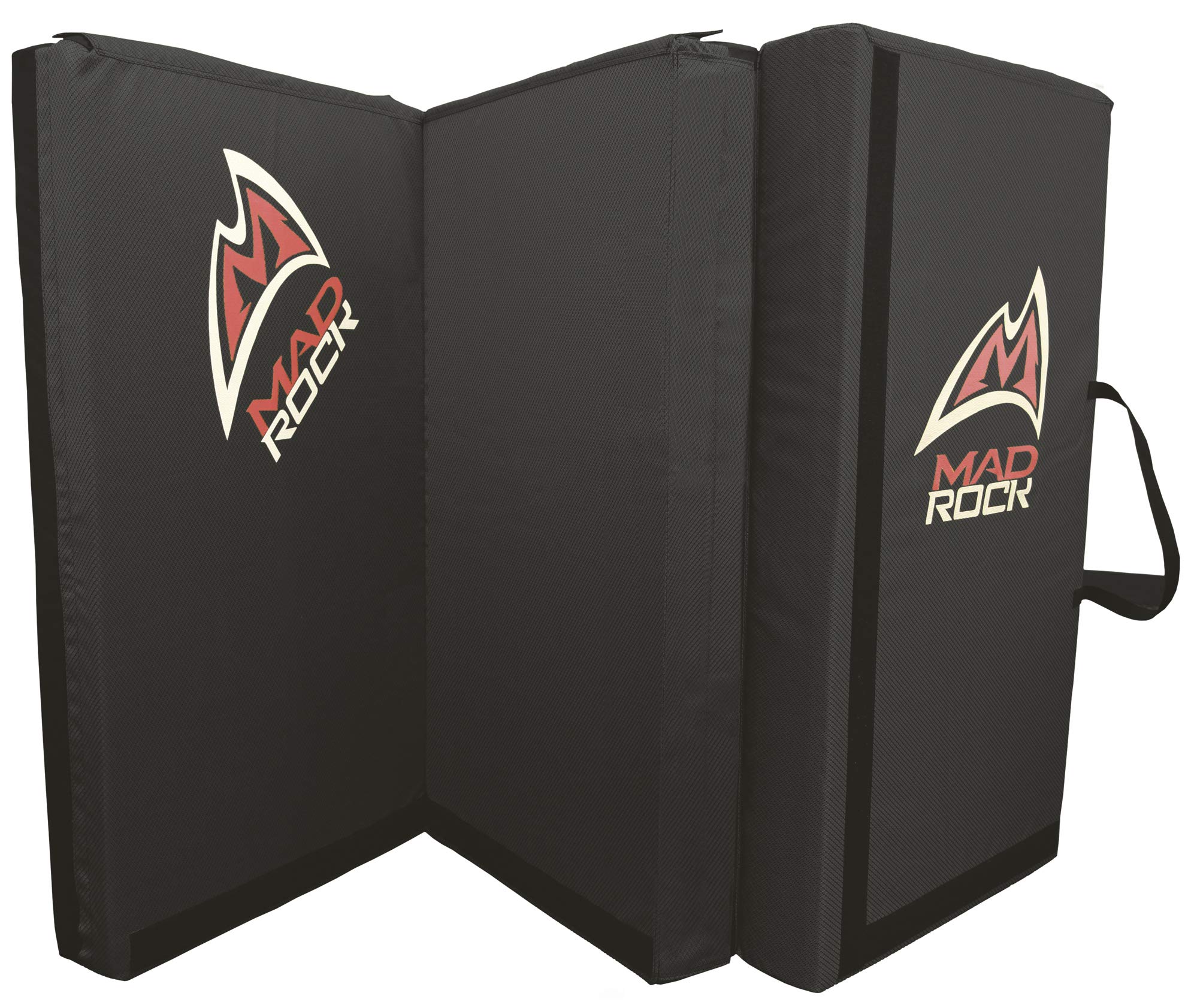
Mad Rock Triple Wave Crash Pad

Learning Curve: Easy

$249.99
Difficulty: 1/5
Mad Rock Triple Wave Crash Pad

Why Great for Beginners:

Unique wave foam adds extra forgiveness on heels/toes. 5in thick, 4x5ft portable. Great value for growing skills.

βœ“ Beginner Pros

  • +Wave design for odd falls
  • +Balanced weight
  • +Good price
  • +Secure straps

βœ— Beginner Cons

  • -Cover less rugged
  • -Narrower than premium
πŸ‘ Best for: Beginners wanting foot-specific protection
πŸ‘Ž Not for: Group spotting

πŸ“– Complete Beginner's Guide to Bouldering Mat

A bouldering mat is a thick foam pad you place under climbs to catch falls safely. No ropes needed – just spotters or solo with the pad. Basics: Foam inside (closed-cell best for beginners, doesn't absorb water), tough cover outside.

Types: Basic single-fold (easiest for newbies), double-fold (more compact), or wide 'full-pad' for groups. Beginners love single-folds: simple, affordable, portable. Avoid inflatables – they puncture and lack forgiveness.

Expect to land on your feet, butt, or back from 8-12 ft max as a beginner. A good mat compresses 50% on impact, springing you back safely. 'Beginner-friendly' means under 18 lbs, unfolds flat, and bridges small gaps without sagging.

Marketing traps: 'Pro-grade' often means heavy/unneeded features. Check reviews for real falls: Look for 'no bottoming out' on 10ft drops. Evaluate by weight-to-protection ratio – light yet thick wins for starters.

Realistic: Your first mat handles 1-2 sessions/week. Test in store if possible: Bounce on it, fold it, lift it.

πŸ”§ Essential Accessories for Beginners

Black Diamond Chalk Bag Mojo

Black Diamond Chalk Bag Mojo

⚠️ Essential

$19.95

When to buy:
Day one

Dry hands mean better grip, fewer slips – critical for safe bouldering. This bag holds loose chalk/refill easy. Prevents greasy falls on your new mat.

Beginner Benefits:

  • β€’ Instant dry hands
  • β€’ Prevents slips
  • β€’ Lightweight add-on
  • β€’ Cheap safety boost
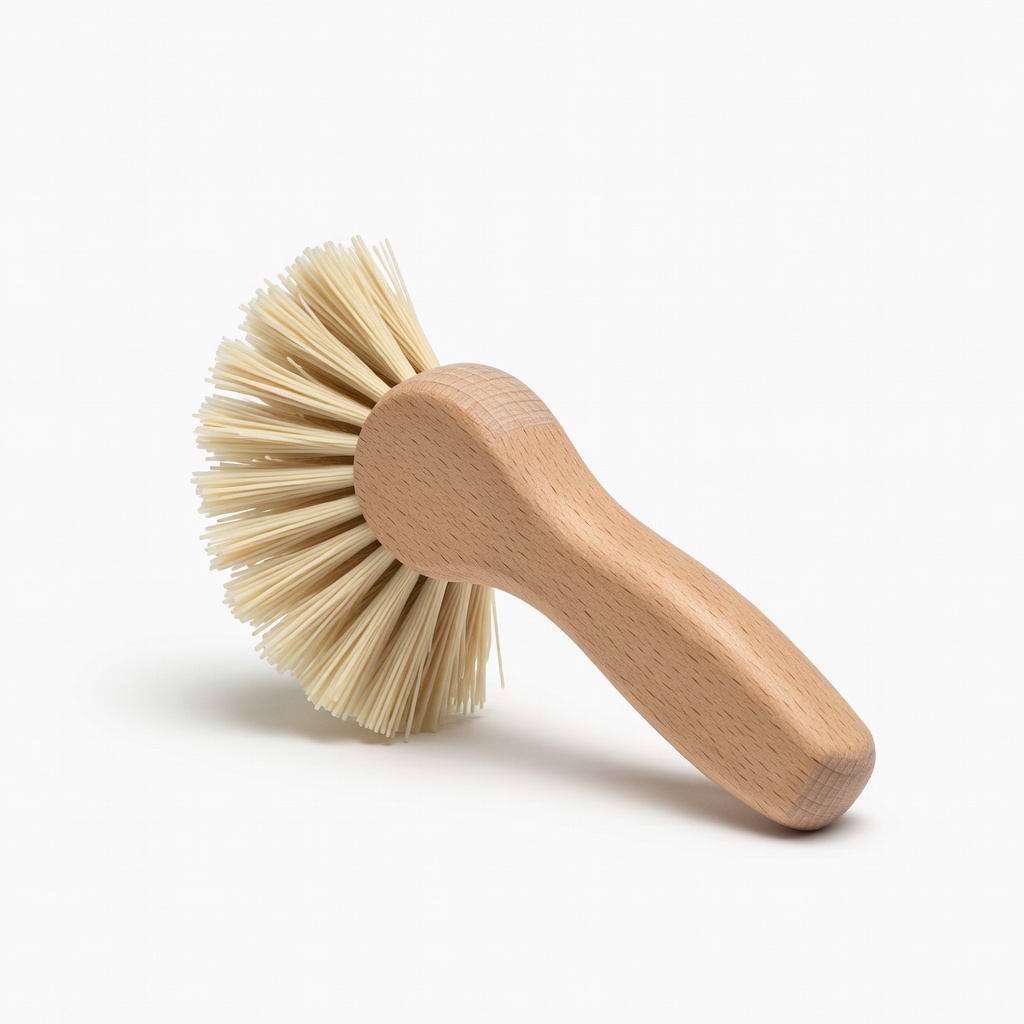
Petzl Cordex Pulley Brush

Petzl Cordex Pulley Brush

πŸ‘ Recommended

$14.95

When to buy:
First month

Keeps holds clean for better practice, extends mat life by reducing dirt drag. Beginners overlook dirty routes causing early wear.

Beginner Benefits:

  • β€’ Easier climbs
  • β€’ Mat stays clean
  • β€’ Builds good habits
  • β€’ Portable

OCUN Jizura Crash Pad Straps

⚠️ Essential

$34.95

When to buy:
Day one

Extra straps secure pad during hikes/carries. Beginners drop pads hiking, ruining covers.

Beginner Benefits:

  • β€’ Hands-free carry
  • β€’ Safer transport
  • β€’ Fits all mats
  • β€’ Prevents damage
FrictionLabs Unicorn Dust Chalk Refill

FrictionLabs Unicorn Dust Chalk Refill

πŸ‘ Recommended

$24.00

When to buy:
First month

Premium chalk for max grip without dust clouds. Beginners slip more, this builds confidence fast.

Beginner Benefits:

  • β€’ Superior stick
  • β€’ Less mess
  • β€’ Longer sessions
  • β€’ Confidence booster

πŸ€” How to Choose Your First Bouldering Mat

Ask: Where will I boulder (gym only? Outdoors?)? Solo or with friends? Budget? If gym/solo and under $200, go budget thick pad. Outdoors/group? Sweet spot $200-350 for weatherproof.

Budgets: Entry under $150 gets basic protection but upgrade soon. Sweet spot $150-300: Best balance, grows with you. Premium $300+: Top cushion if serious. Skip under $100 – too thin/risky.

Scenarios: Apartment dweller? Compact fold. Road trips? Straps matter. Red flags: No handles, thin foam (<4"), heavy (>25lbs for single pad). Plan growth: Good starter lasts 1-2 years.

πŸ’° Budget Guide for Beginners

500+

Pro entry: Extra features like hinges for dedicated boulderers.

150 - $300

Sweet spot: Ideal for most beginners – thick, portable, lasts 1-2 years.

300 - $500

Premium beginner: Superior foam/cover, handles frequent use without upgrade.

Under $ - $150

Entry level: Basic protection for gym trials, may lack durability outdoors.

⚠️ Common Beginner Mistakes to Avoid

...

  • Γ—Buying too thin (<4in) – bottoms out on falls, risky.
  • Γ—Ignoring weight/portability – never use it outdoors.
  • Γ—Skipping straps/handles – hard to carry solo.
  • Γ—Cheap no-name brands – foam compresses permanently.
  • Γ—Gym-only mindset buying outdoor-unfriendly cover.
  • Γ—Overspending on wide/group pads for solo use.
  • Γ—Forgetting chalk – slips increase mat impacts.
  • Γ—Not cleaning mat – dirt shortens life.

πŸ“ˆ Your Progression Path: Beginner to Intermediate

Start with footwork drills on easy problems, using mat for safe falls. Practice 2-3x/week, film yourself to spot form. Master basics: dynamic moves, heel/toe hooks.

Outgrow beginner mat when doing V4+ consistently, needing wider coverage or less weight for travel. Upgrade after 6-18 months, or when foam thins. Signs: Frequent bottoming, cover tears.

Intermediate: Thinner/firmer pads for precision, add spotter skills. Path: Gym > local crags > trips. Build via apps like MoonBoard.

πŸ“š Learning Resources for Beginners

  • πŸ“–Bouldering: Movement, Technique, Training Book (ASIN: B08N5P6Q7R)
  • πŸ“–The Bouldering Bible by John Gill (ASIN: B07K8L9M0N)
  • πŸ“–9Chunk Bouldering Training Board (ASIN: B09R2S3T4U)
  • πŸ“–How to Boulder DVD (ASIN: B01M5N6O7P)
  • πŸ“–Training for Climbing Book by Eric HΓΆrst (ASIN: B07P8Q9R0S)

🎯 Bottom Line: Our Recommendations

Most beginners: Metolius Session 4 – perfect balance. Budget: Fitsly 6in. Premium: Organic for longevity.

Grab chalk bag + straps day one. You're ready – bouldering builds strength/confidence fast. Start small, fall safe, climb on!

Next: Local gym intro class, YouTube basics, weekly sessions.

❓ Frequently Asked Questions

Metolius Session 4 (B09W1X2Y3Z) – ideal size/thickness balance for safe, portable starts.
$150-300 sweet spot for thick, durable pads that grow with you.
4-6in thickness, 4x5ft size, handles, weatherproof cover – forgiving and easy.
Fitsly 6in (B07T5U6V7W) – simplest fold, lightest, zero learning curve.
Chalk bag, brush, carry straps – for grip, clean holds, easy transport.
Match to use (gym/outdoor), budget $150+, prioritize thickness/portability.
No – pick forgiving thick/light ones; setup in seconds, protects falls.
Thin pads, heavy unportables, no accessories – leads to injuries/frustration.
Gyms have them, but personal pad boosts home/outdoor practice confidence.