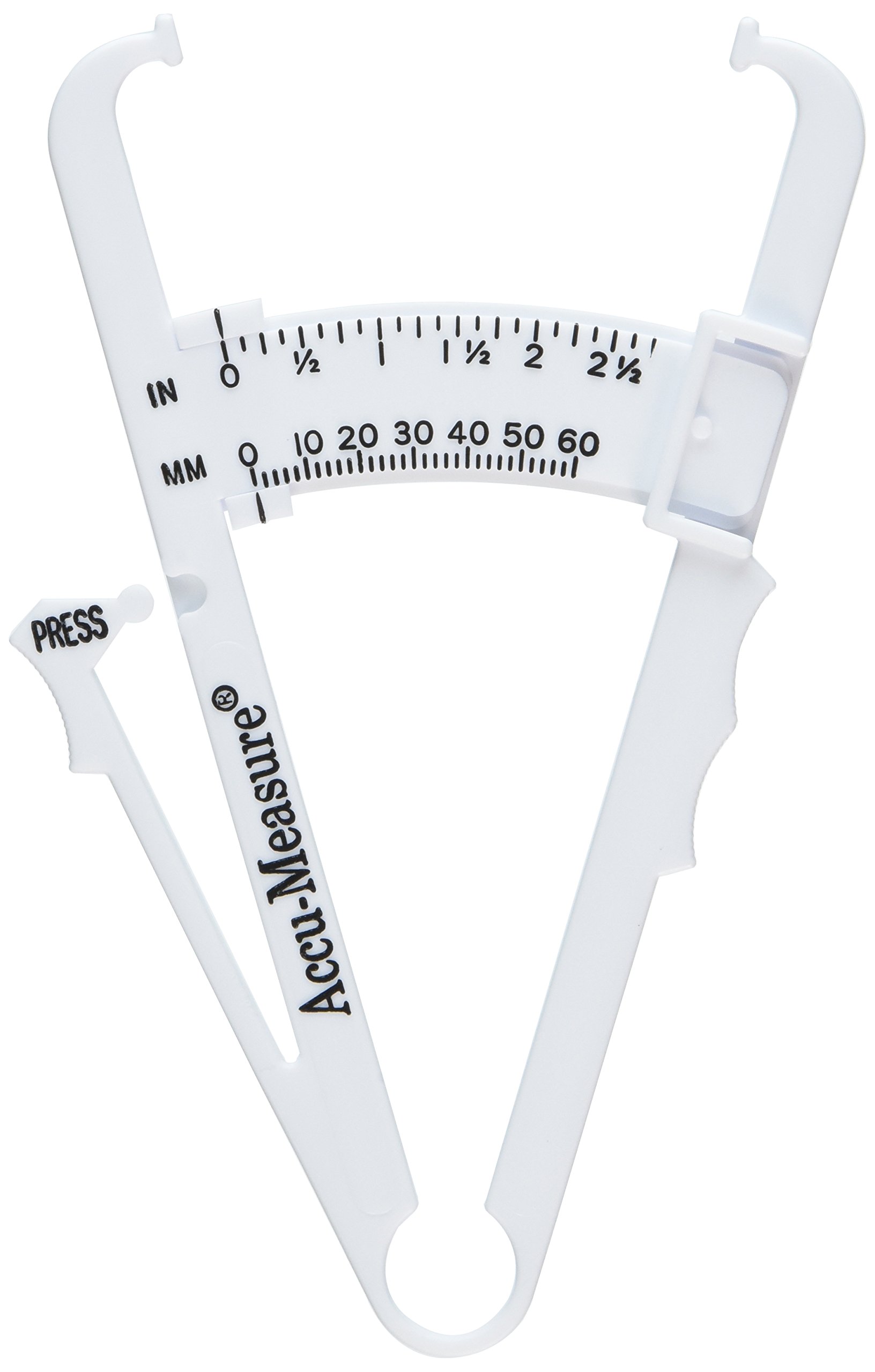
Understanding a body fat scale really comes down to one key idea: the scale doesn't directly measure body fat. It sends a low-level electrical current up through your body. Muscle, which contains a lot of water, conducts electricity well. Fat, which contains less water, resists the current more. By measuring how much the signal is resisted (that's the 'impedance'), the scale estimates your body fat percentage using formulas based on your age, height, and gender. This means the number is an estimate, not a lab measurement. That's perfectly fine for tracking progress; what matters is that you use the same scale consistently and watch the trend over weeks.
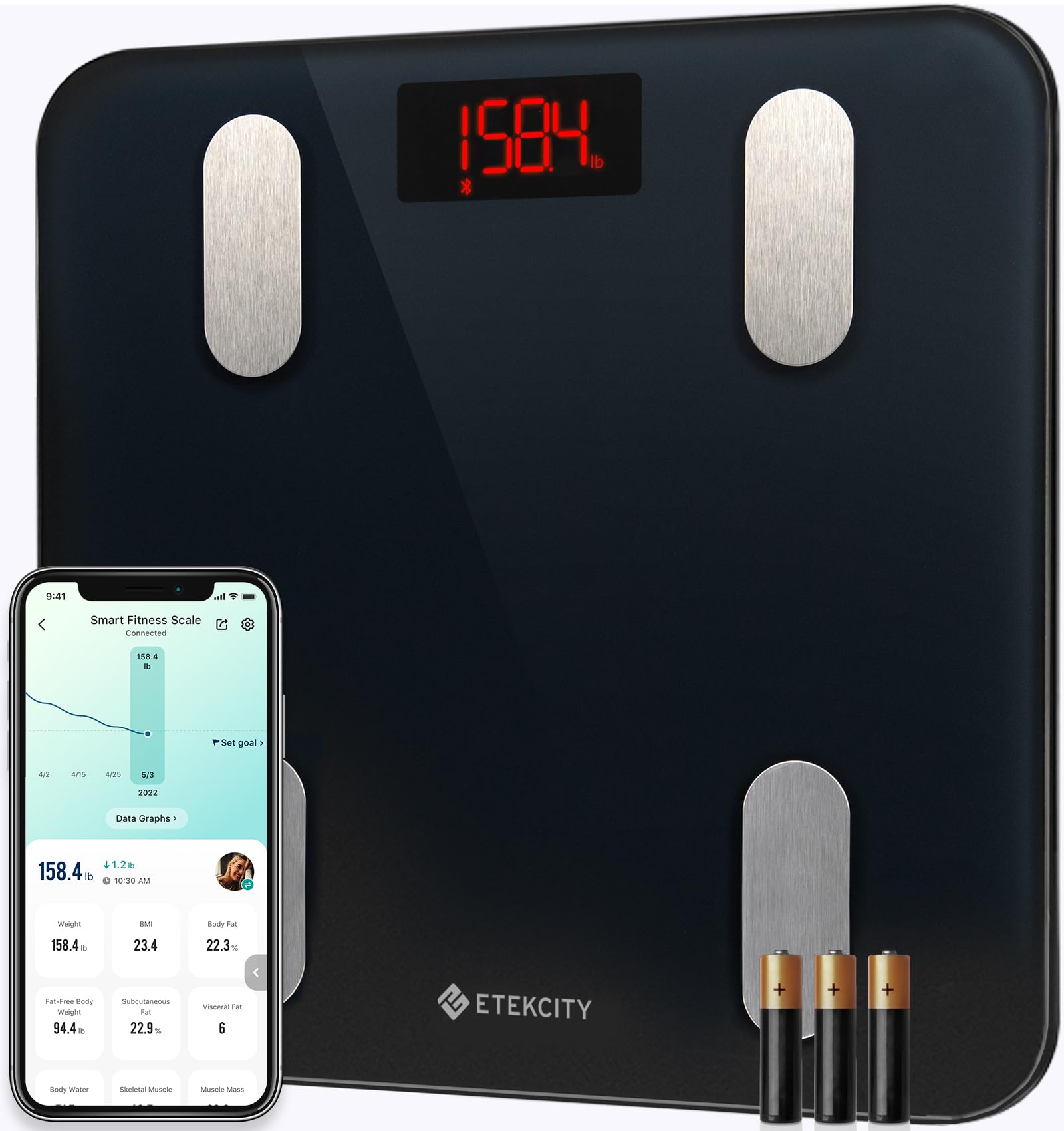
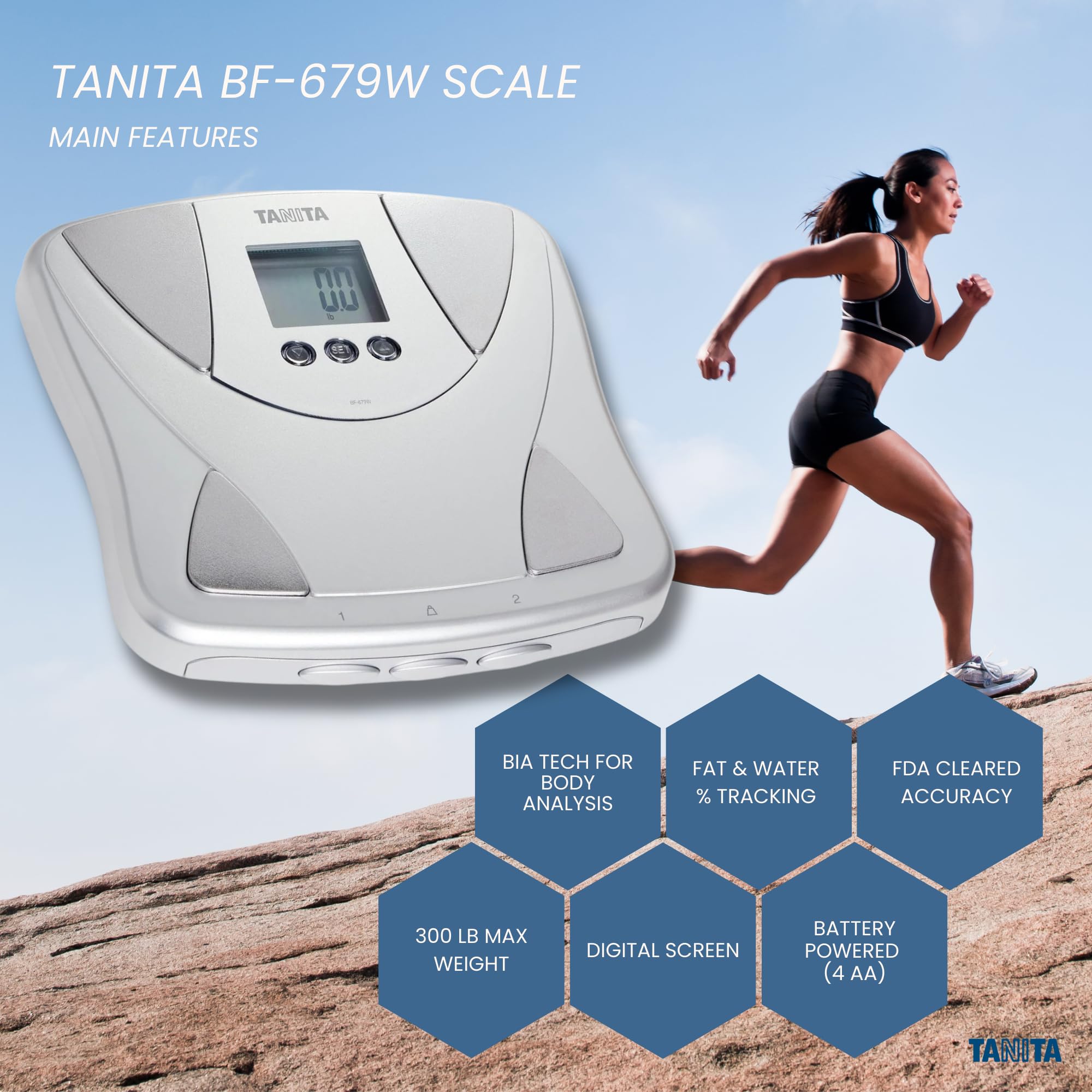
There are three main types of scales on Amazon. The first is a standard bathroom scale with body fat measurement, which shows weight, body fat, and BMI on the display without an app. The second is a smart scale, which connects to a smartphone app via Bluetooth or Wi-Fi and stores your history automatically. The third is an advanced body composition monitor, which often includes hand grips and measures different body segments (arms, legs, trunk) plus extra data like visceral fat or metabolic age. For beginners, a smart scale is usually the best choice because it does the record keeping for you and makes progress visual and motivational.
Set realistic expectations. Your body fat percentage can fluctuate by one to two percentage points throughout the day. Sleeping habits, hydration, exercise timing, and food intake all affect readings. This does not mean the scale is inaccurate; it means your body is changing day to day. The best practice is to measure yourself in the morning, before eating or drinking, after using the restroom, and always in the same conditions. Then look at the weekly or monthly trend instead of one snapshot.
When reading product listings, focus on customer reviews that mention ease of setup, app usability, and consistency. Be cautious of scales with an impossibly long list of metrics at a very low price—they often have fragile apps and unreliable sensors. Also check the app store rating for the companion app, because a bad app can ruin a great scale. And consider your household: if several people plan to use it, make sure the scale supports multiple profiles or has at least enough user slots.