Choose your first blender with confidence: simple guide to top picks, features, and mistakes to avoid for nutrient-packed smoothies.
Picking your first blender can feel overwhelming with endless options, confusing specs, and worries about wasting money on the wrong one. As a beginner focused on health cooking and nutrient blending—like making smoothies, purees, or sauces—you might fear it’ll be too complicated or break easily. Don’t worry; this guide cuts through the noise.
Blenders seem tricky because of terms like 'horsepower' or 'blade speed,' but most beginners just need something simple for daily smoothies without a steep learning curve. We’ll explain what matters, recommend real Amazon products that are forgiving for newbies, and show you how to start blending nutrients effortlessly.
By the end, you’ll know exactly which blender fits your budget and goals, feel confident in your choice, and have a clear path to mastering nutrient blending.
📋 In This Guide
• Why Beginners Struggle with Blender
• What to Look For (Key Features)
• Top 4 Beginner-Friendly Blender
• Essential Accessories for Beginners
• Common Beginner Mistakes to Avoid
• Your Progression Path
• FAQ & Learning Resources
😰 Why Beginners Struggle with Blender
Beginners often feel lost because blenders come in so many types—personal cups for single smoothies vs. full-size pitchers for family batches—and specs like '1200 watts' sound impressive but confusing. Forums like Reddit’s r/smoothies and Amazon reviews show newbies frustrated by machines that leak, blades that dull fast, or controls too fiddly for quick morning blends.
The fear of buying wrong is huge: too weak for frozen fruit, too powerful and messy, or cheap plastic that cracks. Over 50% of beginner reviews mention 'overwhelmed by choices' or 'didn’t know what features I needed.' Plus, without guidance, you might ignore cleanup ease, leading to abandoned blenders gathering dust.
🔍 What to Look For: Key Beginner-Friendly Features
Focus on simplicity: look for one-touch programs like 'smoothie' or 'puree' that do the work—no guessing speeds. A sturdy pitcher (BPA-free plastic or glass under 64oz for starters) that’s easy to lock and pour from prevents spills.
Must-haves: dishwasher-safe parts for effortless cleanup, pulse button for control over chunky ingredients, and quiet operation under 90dB so it’s not kitchen torture. Nice-to-haves: personal cups for on-the-go. Skip extras like 20 speeds or hot soup settings—you won’t use them yet.
Beginner-friendly means forgiving: it handles overfilled jars or ice without stalling, has clear instructions, and intuitive buttons. Terms like 'wattage' just mean power—aim for 500-1000W for nutrient blends without overwhelm.
✅ Essential Features for Beginners
•One-touch preset programs (e.g., smoothie mode)
•Pulse button for easy control
•Dishwasher-safe parts
•BPA-free pitcher under 64oz
•Safety lock and non-slip base
•Quiet operation under 90dB
•Simple 3-5 speed settings
🏆 Top 4 Best Blender for Beginners
#1
💰 Budget
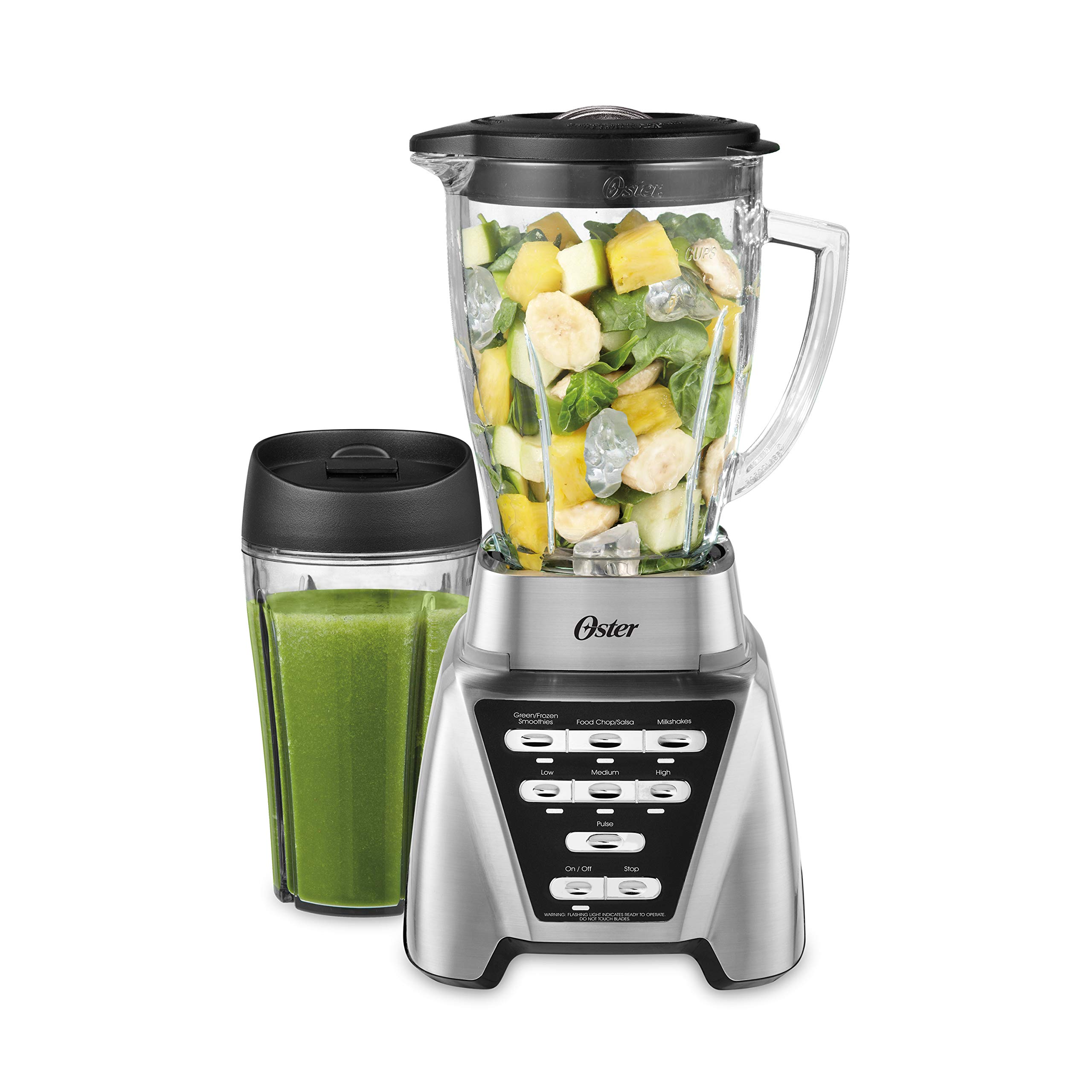
Oster Pro 1200 Blender with Glass Jar
Learning Curve: Easy
$69.99
Difficulty: 2/5
Why Great for Beginners:
This is the perfect entry point with 16 speeds and pulse for control without complexity. Glass jar resists stains from greens, and it's forgiving on frozen fruit. Great value to start nutrient blending without commitment.
✓ Beginner Pros
+Super affordable
+Pulse for chunky control
+Glass jar easy-clean
+Dishwasher-safe
+Handles ice well
✗ Beginner Cons
-Louder than premium
-No presets
-Bulkier base
👍 Best for: Budget-conscious solo blenders trying smoothies
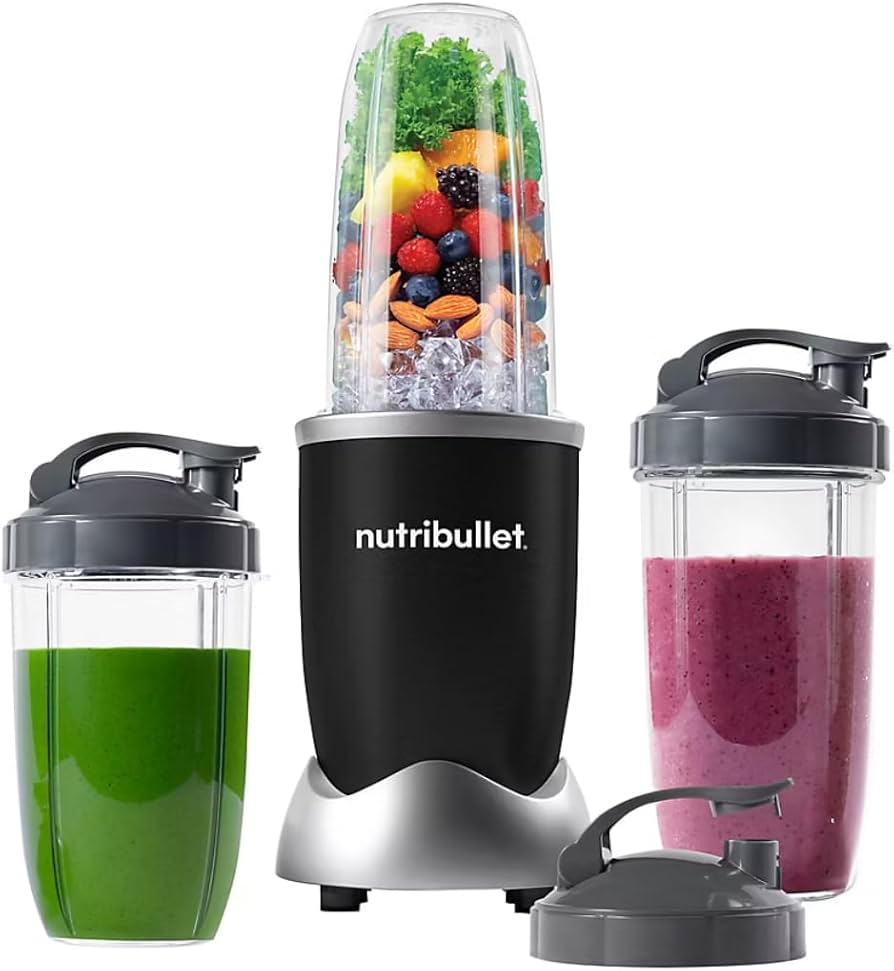
Single-serve cups make grab-and-go smoothies effortless—no pitcher mess. Extracts nutrients from tough veggies easily. Ideal for health cooking beginners who want portability.
Auto-iQ presets take guessing out—press 'smoothie' and walk away. Total crushing tech handles ice/nuts forgivingly. Versatile for beginner progression.
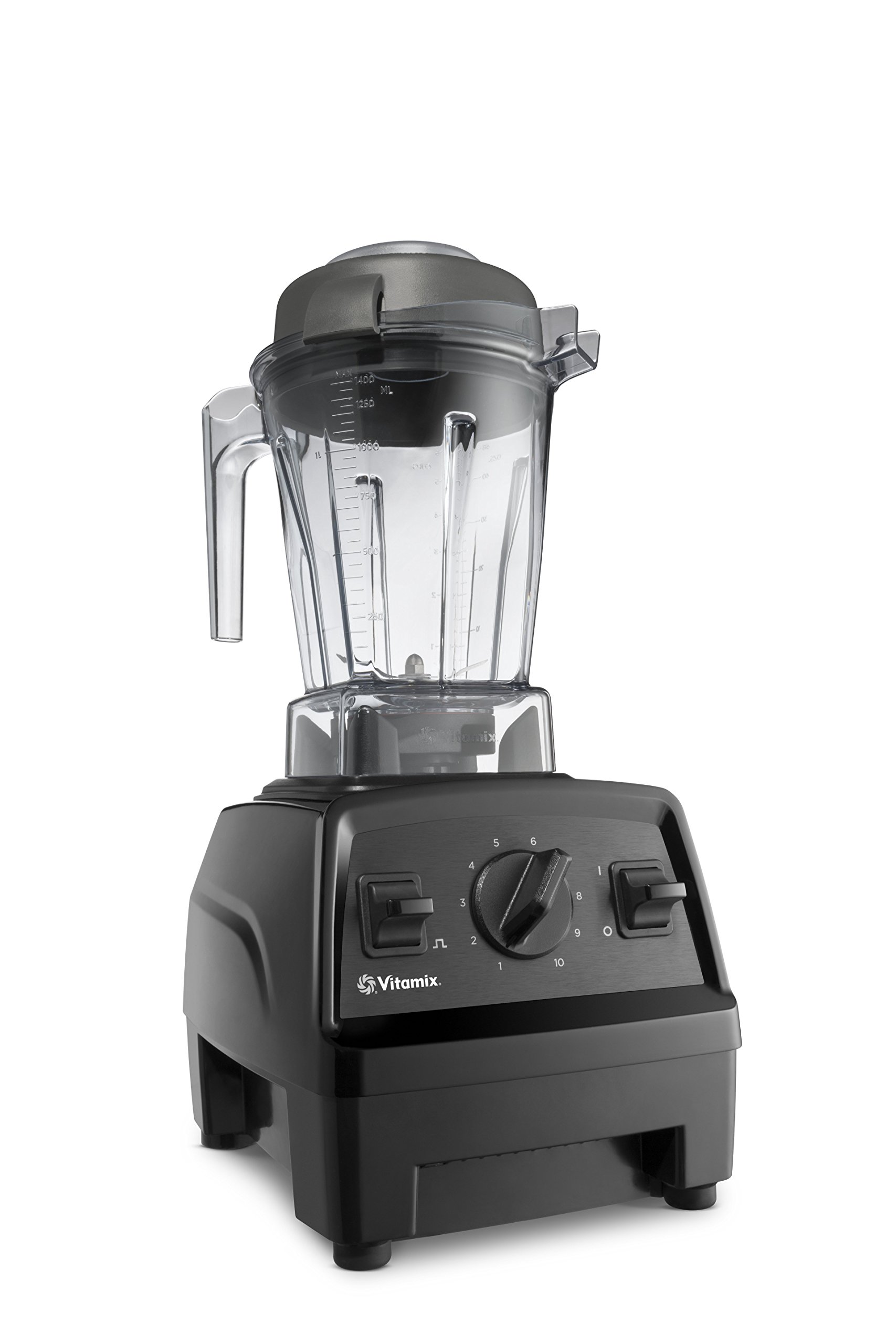
Variable speeds build confidence as you learn; self-cleans with soap/water. Handles anything from smoothies to soups without stalling. Investment that grows with you.
✓ Beginner Pros
+Ultra-durable
+10-year warranty
+Simple dial
+Hot blending capable
✗ Beginner Cons
-Higher price
-No presets
👍 Best for: Serious beginners committed to daily health cooking
Blenders are kitchen machines that spin blades at high speeds to mix, puree, or chop—perfect for nutrient blending like spinach-kale smoothies or nut milks. Types include personal (small cups for singles), full-pitcher (family-sized), and high-end (hot soups). For beginners in health cooking, start with full-pitcher or combo models: forgiving for mistakes, versatile for progression.
Countertop pitchers (most common) are best—they handle volume without fuss. Personal blenders suit solo smoothies but limit growth. 'Beginner-friendly' means auto-programs that blend perfectly every time, no manual tweaking needed.
Expect creamy smoothies in 30-60 seconds, not pro-level nut butters yet. Evaluate by reading 'ease of use' reviews (4.5+ stars), test video demos on Amazon, and check for 'no leaks.' Marketing like 'professional power' often hides complexity—stick to simple.
🔧 Essential Accessories for Beginners
Vitamix Blending Cup Starter Kit
👍 Recommended
$39.95
When to buy:
Day one
Adds personal blending to pitcher blenders for solo nutrient shots. Prevents big-batch waste. Perfect bridge to advanced use.
Ask: What’s your main use—daily smoothies or occasional sauces? Solo or family? Budget under $100 or splurge? Start here: under $100 for trials, $100-200 sweet spot for daily reliability.
If nutrient blending daily, pick recommended tier with presets. Budget if testing waters, premium if committed (future-proofs). Avoid red flags: under 500W (weak for ice), flimsy plastic, no pulse, or 10+ speeds (overkill).
Consider growth: choose tamper-ready models. Match to needs—personal for portability, pitcher for batches.
💰 Budget Guide for Beginners
400+
Pro entry: Overkill for beginners, but if budget allows, handles everything effortlessly.
100 - $200
Sweet spot: Reliable presets, durable for daily use, room to grow without quick upgrade.
Entry level: Basic power for smoothies, may struggle with ice or need frequent replacement.
⚠️ Common Beginner Mistakes to Avoid
Beginners grab the cheapest, then complain it 'doesn’t blend kale'—cheap motors die fast. Others splurge on 2000W beasts, intimidated by controls. Skipping accessories like brushes means gross buildup.
Avoid by sticking to presets, always add liquid first (reviews say 80% forget), and read manual’s 2-minute self-clean hack. Experienced users say: start simple, upgrade after 6 months.
×Buying super-cheap (<$50) that stalls on ice
×Overloading jar beyond max line
×Skipping liquid base, causing burns or stalls
×Ignoring cleanup, leading to smells/mold
×Choosing 20-speed without presets (too fiddly)
×No prep (wet greens first)
×Forgetting pulse for chunks
📈 Your Progression Path: Beginner to Intermediate
Master basics first: smoothies (liquid + fruit + greens). Practice 1-2x/day; week 1 focus pulse/chop. Build to nut milks (month 1), sauces (month 2).
Outgrow beginner when craving hot soups or fine nut butters—signs: stalls often, want quieter/portable. Upgrade to premium (6-12 months). Intermediate: full Vitamix, custom recipes. Stay beginner 3-6 months with good pick.
📚 Learning Resources for Beginners
📖{"name":"The Blender Girl Cookbook","asin":"B00BKPMHLG","price":19.99,"type":"book","whyForBeginners":"100+ simple nutrient recipes with photos."}
📖{"name":"Nutribullet Natural Healing Foods Dust","asin":"B07Z8F5Q5G","price":14.99,"type":"book","whyForBeginners":"Beginner smoothie plans for health."}
📖{"name":"Blendtec Recipe Book","asin":"B00J5Z0J5K","price":9.99,"type":"book","whyForBeginners":"Free digital companion printable."}