Review Atlas
Review AtlasYour guide to a better purchase

Menu

Shop by Category

Get the App

Better experience on mobile

Beginners GuideBird watching

7 Best Best Bird Watching Binoculars for beginners in 2026: Test…

Everything you need to know to choose your first pair with confidence and start birding without the hassle.

Welcome to the wonderful world of bird watching! Choosing your first pair of binoculars can feel overwhelming with all the numbers, jargon, and options. But don't worry — this guide is here to simplify everything. We'll walk you through the essential features, common beginner mistakes, and the best binoculars for newcomers. By the end, you'll know exactly what to look for and which binoculars are right for you — all without breaking the bank or getting lost in technical specs.

📋 In This Guide

  • • Why Beginners Struggle with Bird Watching Binoculars
  • • What to Look For (Key Features)
  • • Top 5 Beginner-Friendly Bird Watching Binoculars
  • • Essential Accessories for Beginners
  • • Common Beginner Mistakes to Avoid
  • • Your Progression Path
  • • FAQ & Learning Resources

😰 Why Beginners Struggle with Bird Watching Binoculars

Many beginners feel lost when shopping for birding binoculars. Terms like 'magnification', 'objective lens', 'exit pupil', and 'field of view' sound confusing. Plus, there are hundreds of models at wildly different prices. It's easy to worry about buying something too cheap (and disappointing) or too expensive (and overwhelming). Beginners often don't know what features actually matter for birding — like close focus distance for nearby birds or waterproofing for outdoor use. Without guidance, they might end up with binoculars that are heavy, hard to focus, or too powerful to hold steady.

🔍 What to Look For: Key Beginner-Friendly Features

For beginners, focus on three key things: ease of use, comfort, and good-enough optics. Look for binoculars with a magnification of 8x (great balance between power and stability) and an objective lens around 42mm (gathers enough light without being huge). An 8x42 configuration is the gold standard for beginners. Check for a wide field of view (helps you find birds quickly), close focus distance under 10 feet (for nearby sightings), and twist-up eyecups for eyeglass wearers. Waterproofing and fog-proofing are nice but not essential if you stick to fair weather. Avoid very high magnification (12x or more) — they're harder to hold steady and have a narrower view.

✅ Essential Features for Beginners

  • 8x42 magnification configuration for steady, bright views
  • Lightweight (under 25 ounces) for all-day comfort
  • Smooth center focus wheel for quick, easy focusing
  • Twist-up eyecups to accommodate eyeglass wearers
  • Wide field of view (at least 330 feet at 1000 yards)
  • Close focus distance under 10 feet for nearby birds
  • Waterproof and fog-proof for outdoor reliability
  • Satisfaction guarantee or lifetime warranty

🏆 Top 5 Best Bird Watching Binoculars for Beginners

#1
💰 Budget

Celestron Nature DX 8x42 Binoculars

Learning Curve: Easy

$99.95
Difficulty: 1/5
Celestron Nature DX 8x42 Binoculars - Image 1 of 9

Why Great for Beginners:

Great entry-level binoculars with a perfect 8x42 configuration, light weight, and a smooth focus wheel. Includes waterproofing and a comfortable rubber armor. Ideal for beginners on a tight budget.

Beginner Pros

  • +Affordable price
  • +Lightweight (24.7 oz)
  • +Waterproof and fog-proof
  • +Smooth focusing
  • +Good close focus (6.5 ft)

Beginner Cons

  • -Plastic construction feels less durable
  • -Eye relief is average for eyeglass wearers
  • -Limited low-light performance compared to pricier models
👍 Best for: Beginners who want a capable first pair under $100 for casual backyard and daytime birding.
👎 Not for: Serious birders expecting premium glass or all-day comfort in wet conditions.

#2
👍 Recommended

Nikon Prostaff 3S 8x42 Binoculars

Learning Curve: Easy

$179.99
Difficulty: 1/5
Nikon Prostaff 3S 8x42 Binoculars - Image 1 of 4

Why Great for Beginners:

A superb all-around choice with bright, clear optics, excellent build quality, and a lightweight design. Nikon's reputation for reliability and a generous warranty make it a stress-free first purchase.

Beginner Pros

  • +Excellent image clarity
  • +Lightweight (21 oz)
  • +Smooth focus and comfortable grip
  • +Good eye relief for glasses
  • +Lifetime warranty

Beginner Cons

  • -Slightly narrow field of view for its class
  • -No tripod adapter thread (but can be added)
  • -Premium feels but still budget-conscious
👍 Best for: Beginners who want a high-quality, durable pair that will last for years without breaking the bank.
👎 Not for: Those needing ultra-wide field of view for spotting fast-moving birds in dense foliage.
#3
👍 Recommended

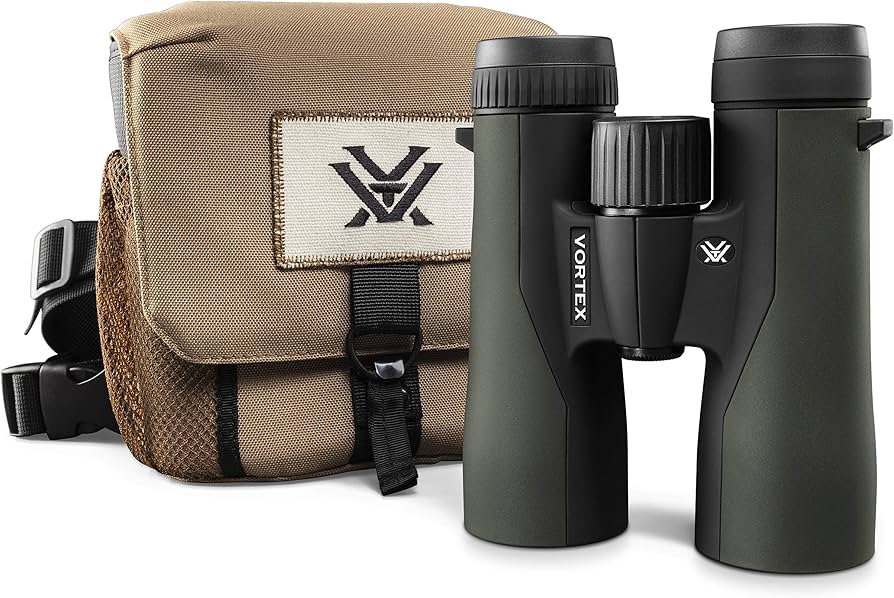
Vortex Optics Crossfire HD 8x42 Binoculars

Learning Curve: Easy

$219.99
Difficulty: 1/5
Vortex Optics Crossfire HD 8x42 Binoculars

Why Great for Beginners:

Vortex is famous for its unconditional lifetime warranty and excellent customer service. The Crossfire HD offers high-definition optics at a beginner-friendly price, with excellent color fidelity and brightness.

Beginner Pros

  • +HD glass for great color and sharpness
  • +Lightweight (23.2 oz)
  • +Smooth focus wheel
  • +Excellent warranty
  • +Tripod adaptable

Beginner Cons

  • -Eye relief may be short for some eyeglass wearers
  • -Focus wheel could be stiffer than some competitors
  • -A bit more expensive than Nikon Prostaff
👍 Best for: Beginners who want premium image quality and peace of mind from an industry-leading warranty.
👎 Not for: Budget-focused beginners or those who prefer a very wide field of view.
#4
Alternative

Bushnell Prime 8x42 Binoculars

Learning Curve: Easy

$149.99
Difficulty: 1/5
Bushnell Prime 8x42 Binoculars - Image 1 of 4

Why Great for Beginners:

A solid mid-range option that competes with the Nikon Prostaff. Bushnell's Prime series offers excellent brightness and a wide field of view, making it easy to find and follow birds. Good for glasses wearers.

Beginner Pros

  • +Wide field of view (388 ft at 1000 yds)
  • +Long eye relief (18mm) for glasses
  • +Lightweight (22 oz)
  • +Smooth focus
  • +Bushnell lifetime warranty

Beginner Cons

  • -Not as sharp as the Vortex HD
  • -Some units may have a slight chromatic aberration
  • -Less known brand for optics than Nikon or Vortex
👍 Best for: Beginners who want a wide field of view and comfortable viewing for eyeglass wearers.
👎 Not for: Those wanting maximum image clarity or a more premium feel.
#5
✨ Premium

Zeiss Terra ED 8x42 Binoculars

Learning Curve: Easy

$499.99
Difficulty: 2/5
Zeiss Terra ED 8x42 Binoculars - Image 1 of 9

Why Great for Beginners:

Zeiss is a top-tier brand, but the Terra ED is designed as an accessible entry point. It delivers incredible sharpness, brightness, and lightweight handling. Perfect for beginners who have the budget and want the best.

Beginner Pros

  • +Excellent ED glass for superior image quality
  • +Very lightweight (21.5 oz)
  • +Smooth and precise focus
  • +Outstanding build quality
  • +Compact and ergonomic

Beginner Cons

  • -Higher price may be overkill for casual use
  • -Narrower field of view than some competitors
  • -Zeiss warranty is good but not unconditional like Vortex
👍 Best for: Serious beginners with a bigger budget who want top-tier optics they won't outgrow.
👎 Not for: Budget-conscious beginners or those who need a very wide field of view.

📖 Complete Beginner's Guide to Bird Watching Binoculars

Binoculars are simply two telescopes joined together, but the numbers on them tell a story. The first number (e.g., 8x) is the magnification — it makes a bird look 8 times closer. The second number (e.g., 42) is the diameter of the front lens in millimeters — bigger lets in more light. For beginners, 8x42 is the sweet spot: powerful enough to see detail, but steady enough to hand-hold. 10x42 is also popular but a bit shakier. There are also compact binoculars (like 8x25) that are lightweight but dimmer, or giant ones (like 15x56) that need a tripod. Stick with 8x42 or 10x42 full-size models for your first pair. 'Beginner-friendly' means easy focusing (a smooth center wheel), comfortable grip, and lightweight design (under 25 ounces). Don't get tricked by 'zoom' binoculars — they often sacrifice image quality. Stick to fixed magnification.

🔧 Essential Accessories for Beginners

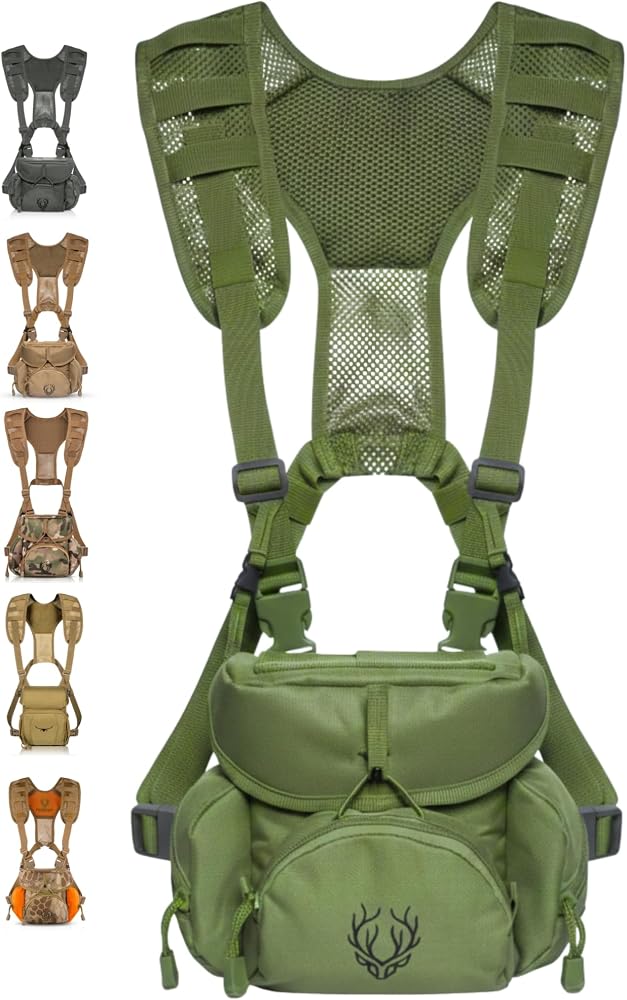
FasPoint Binocular Harness

FasPoint Binocular Harness

👍 Recommended

$19.99

When to buy:
Day one

A harness distributes weight across your shoulders instead of your neck, preventing fatigue during long walks. It also keeps binoculars secure and accessible. Beginners often find neck straps uncomfortable; a harness is a simple upgrade.

Beginner Benefits:

  • Reduces neck strain
  • Keeps binoculars steady against your chest
  • Easy to adjust on the go
  • Prevents swinging when hiking
Nikon Lens Pen Cleaning Kit

Nikon Lens Pen Cleaning Kit

⚠️ Essential

$12.95

When to buy:
Day one

Lenses get dirty quickly from dust, fingers, and moisture. A proper cleaning kit prevents scratches and maintains image clarity. Beginners often use shirt sleeves, which can damage coatings.

Beginner Benefits:

  • Easy to carry in pocket
  • Prevents lens damage
  • Removes oil and dirt effectively
  • No liquids or sprays needed
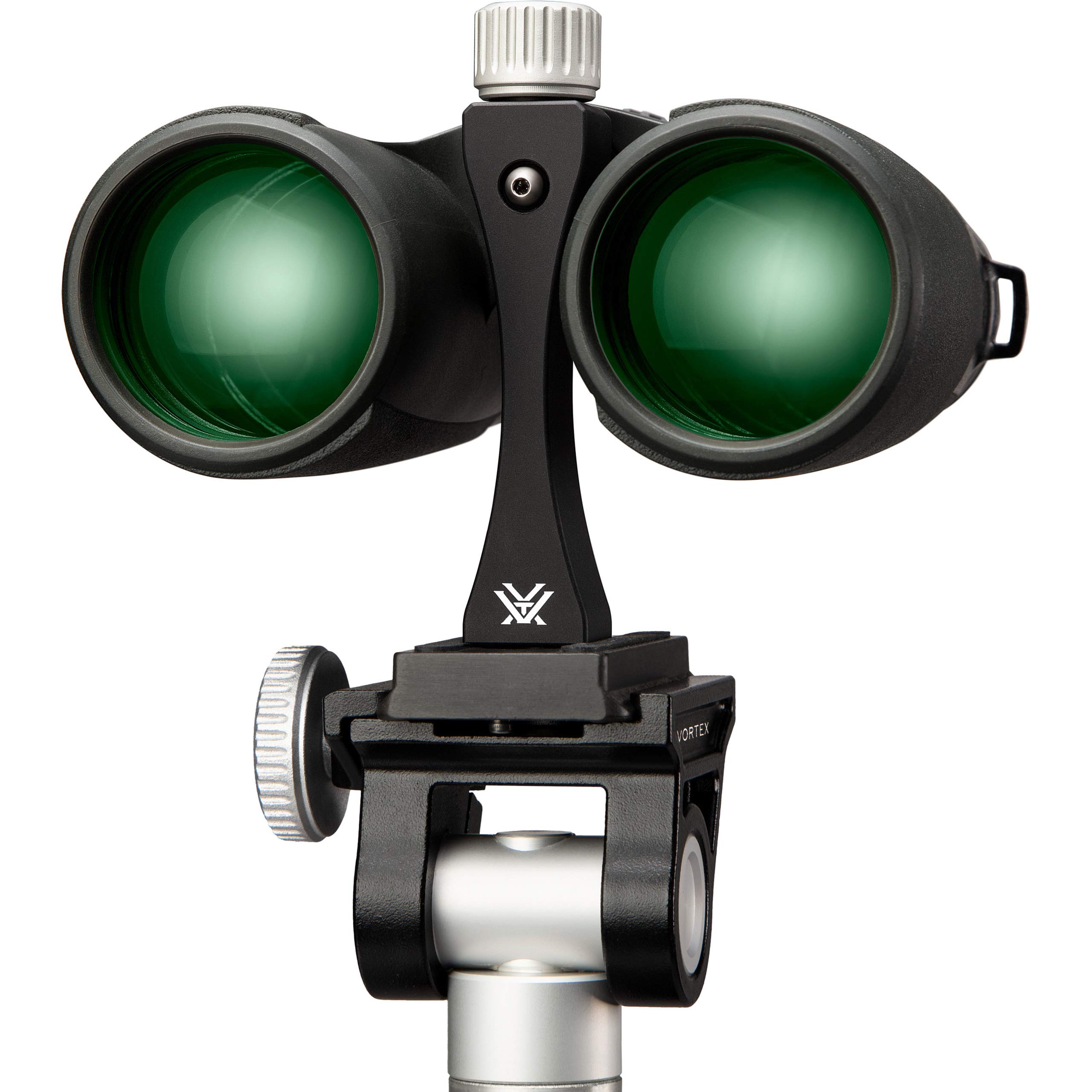
Vortex Tripod Adapter

Vortex Tripod Adapter

💡 Nice to Have

$26.99

When to buy:
After you're comfortable

When observing birds at a feeder or from a stationary point, a tripod eliminates hand shake and allows for extended viewing. This adapter lets you attach most binoculars to a standard tripod.

Beginner Benefits:

  • Reduces fatigue
  • Steadies the view for detailed observation
  • Allows hands-free use for note-taking
  • Beginner-friendly installation
Celestron Carrying Case

Celestron Carrying Case

⚠️ Essential

$19.99

When to buy:
Day one

Most binoculars come with a basic case, but they often lack padding or a secure closure. A dedicated case protects your investment from bumps, dust, and moisture when not in use.

Beginner Benefits:

  • Protects bins in backpack
  • Easy to carry on belt or shoulder
  • Plenty of room for lens pen
  • Water-resistant exterior

🤔 How to Choose Your First Bird Watching Binoculars

Start by asking yourself: Where will you mostly birdwatch? Backyard? Hiking trails? Near water? For backyard and casual walks, an 8x42 is perfect. For longer hikes, a lighter 8x32 might be better. Then set a budget: $100-$200 gives you decent Chinese-made binoculars; $200-$400 gets you very good optics; $400+ is premium. Beginners rarely need to spend over $500. Look for binoculars that fit your hands and feel comfortable. Read customer reviews from other beginners — they'll mention real-world ease of use. Avoid 'tactical' or 'marine' models — they're heavy and not optimized for birding. Also, skip very cheap models under $50 — they'll frustrate you with blurry views and poor build quality.

💰 Budget Guide for Beginners

$500+

Professional entry - top-tier performance for serious beginners. May include features like dielectric coatings and field flatteners, but not necessary for starting out.

$100 - $$300

Sweet spot for most beginners. Best value with good optics, waterproofing, and comfortable ergonomics. Will serve you well for years.

$300 - $$500

Premium beginner - excellent optics (ED glass, fully multi-coated), outstanding build quality, and often lighter. Won't outgrow quickly.

Under $ - $$100

Entry level - decent for trying birding, but may have limited low-light performance and build quality. Suitable for occasional backyard use.

⚠️ Common Beginner Mistakes to Avoid

  1. Buying too cheap: A $30 pair will likely be blurry, misaligned, and hard to use. 2. Buying too powerful: 12x or 16x binoculars are hard to hold steady and have a narrow field. 3. Ignoring weight: Heavy binoculars cause fatigue and make you less likely to bring them. 4. Forgetting close focus: Many budget models can't focus on a bird 10 feet away. 5. Not trying before buying: If possible, test a friend's pair or visit a store. 6. Overlooking warranty: Good brands offer lifetime warranties. 7. Buying too many features: You don't need ED glass or phase-coated prisms as a beginner — they're nice but not essential.
  • ×Buying cheap binoculars under $50 that have poor optics
  • ×Choosing high magnification (12x or more) that is shaky
  • ×Ignoring weight and getting neck fatigue
  • ×Overlooking close focus distance
  • ×Not considering eyeglass compatibility
  • ×Buying zoom or variable magnification binoculars
  • ×Skipping waterproof/fog-proof features

📈 Your Progression Path: Beginner to Intermediate

Start with your first pair and use them often. Learn to quickly focus and track birds. After a few months, you'll know the limitations of your gear — maybe you want better low-light performance or a wider field. That's when you can upgrade. The first upgrade is often a larger objective lens (like 10x42 or 8x56) or better optical coatings. You might also add a tripod for long sessions. But many beginners enjoy years of happy birding with a solid 8x42. Don't rush to upgrade — skill matters more than gear. Once you can identify birds by plumage and behavior, you'll know if you need better glass.

📚 Learning Resources for Beginners

  • 📖The Stokes Field Guide to Bird Songs: Eastern Region
  • 📖Birds of North America: A Guide to Field Identification
  • 📖National Geographic Field Guide to the Birds of North America
  • 📖Binocular Strap Harness for added comfort

🎯 Bottom Line: Our Recommendations

For most beginners, the best choice is an 8x42 binocular in the $150-$300 range. Our top pick is the Nikon Prostaff 3S 8x42 — it's light, sharp, and easy to use, with a fantastic warranty. If you're on a tight budget, the Celestron Nature DX 8x42 offers incredible value. For those willing to splurge, the Vortex Crossfire HD 8x42 gives you premium image quality without the premium price. Pair your binoculars with a comfortable neck strap or harness (included with many) and a lens cleaning kit. Finally, join a local birding group or online forum — you'll learn faster and have more fun. Happy birding!

❓ Frequently Asked Questions

The best all-around beginner binocular is the Nikon Prostaff 3S 8x42. It offers a superb balance of brightness, weight, ease of use, and price (around $180). For a tighter budget, the Celestron Nature DX 8x42 (under $100) is also excellent.
A good beginner pair costs between $100 and $300. Spending less than $50 often leads to frustration. Spending over $400 may be unnecessary unless you're serious and have the budget. The sweet spot is $150-$250.
Start with 8x42 magnification, a lightweight design (under 25 oz), smooth center focus, twist-up eyecups, and waterproofing. A wide field of view (over 330 ft/1000 yds) and close focus under 10 ft are also very helpful.
Binoculars with a simple center-focus wheel and a fixed magnification (like 8x42) are easiest. Avoid zoom or twist-focus models. The Celestron Nature DX and Nikon Prostaff are both very beginner-friendly.
Essential: a lens cleaning pen/cloth. Highly recommended: a binocular harness (more comfortable than neck strap). Nice-to-have: a tripod adapter for stable viewing. A good carrying case often comes with the binoculars.
Determine your budget, then focus on 8x42 models that weigh under 25 oz. Read beginner-specific reviews. Look for a smooth focus wheel and comfortable grip. Buy from a reputable brand like Nikon, Vortex, Celestron, or Bushnell with a good warranty.
No, birding is as simple as stepping outside with binoculars. The hardest part can be locating birds and focusing quickly, but that improves with practice. Choosing easy-to-use binoculars makes a big difference.
Common mistakes: buying too cheap ($30-40), choosing high magnification (12x+), ignoring weight, skipping a harness, and not cleaning lenses properly. Also, some buy waterproof models when they only bird in dry weather.
10x42 is acceptable but slightly harder to hold steady. It offers more detail but a narrower field of view. Most beginners are better off with 8x42 because it's easier to find and track birds. If you have steady hands, 10x42 can work.
Yes! An 8x42 is also great for wildlife viewing, sports events, and stargazing. It's a versatile tool. Just avoid specifically 'marine' or 'hunting' models, which may have specs less suited for birding.