Discover simple, foolproof bird feeders that attract backyard birds fast, without the hassle of squirrels or confusing choices.
Choosing your first bird feeder can feel overwhelming with endless options, squirrel-proof claims, and confusing seed types. As a beginner, you worry about wasting money on something birds ignore or that's a mess to maintain. Don't stress—this guide cuts through the noise.
We'll explain what really matters for newcomers, recommend proven Amazon picks that are easy to use, and show you how to get birds visiting your yard quickly. By the end, you'll confidently pick a feeder that works for your backyard and budget, turning birdwatching into a relaxing joy.
📋 In This Guide
• Why Beginners Struggle with Bird Feeder
• What to Look For (Key Features)
• Top 4 Beginner-Friendly Bird Feeder
• Essential Accessories for Beginners
• Common Beginner Mistakes to Avoid
• Your Progression Path
• FAQ & Learning Resources
😰 Why Beginners Struggle with Bird Feeder
Beginners often feel lost because bird feeders come in dozens of styles—tube, hopper, platform, suet—with no clear 'best for starters.' Squirrels raid feeders before birds arrive, leaving frustration. Reviews show newbies complain about hard-to-clean models that mold or leak seed everywhere.
Jargon like 'nyjer ports' or 'UV-stabilized polycarbonate' sounds expert-level but confuses everyone else. Many fear buying wrong: too cheap (breaks fast), too fancy (overkill). Forums like Reddit's r/birding reveal top pains: no birds show up, messy hulls litter yard, can't reach to refill.
🔍 What to Look For: Key Beginner-Friendly Features
Focus on feeders that are dead simple: twist-lock lids for easy filling, wide mouths for cleaning without scrubbing, and drainage holes to prevent soggy seed. Squirrel baffles or weight-activated perches are beginner gold—they stop raids without tools or tricks.
Skip extras like seed counters or cameras; you don't need them yet. Prioritize metal or sturdy plastic (weatherproof), 4+ feeding ports for more birds, and capacity for 1-2 weeks' seed so you're not refilling daily. These make success foolproof, forgiving spills or wrong placement.
✅ Essential Features for Beginners
•Easy-fill lid: Twists open in seconds, no fumbling
•Simple cleaning: Dishwasher-safe or wide access to avoid mold
•Squirrel-proof: Closes ports under weight, protects your seed
•Drainage holes: Keeps seed dry, prevents clogs
•Clear seed view: See when to refill without guessing
•Hanging loop: Hooks anywhere, no special setup
•Weather-resistant: Won't crack in sun or rain
🏆 Top 4 Best Bird Feeder for Beginners
#1
💰 Budget
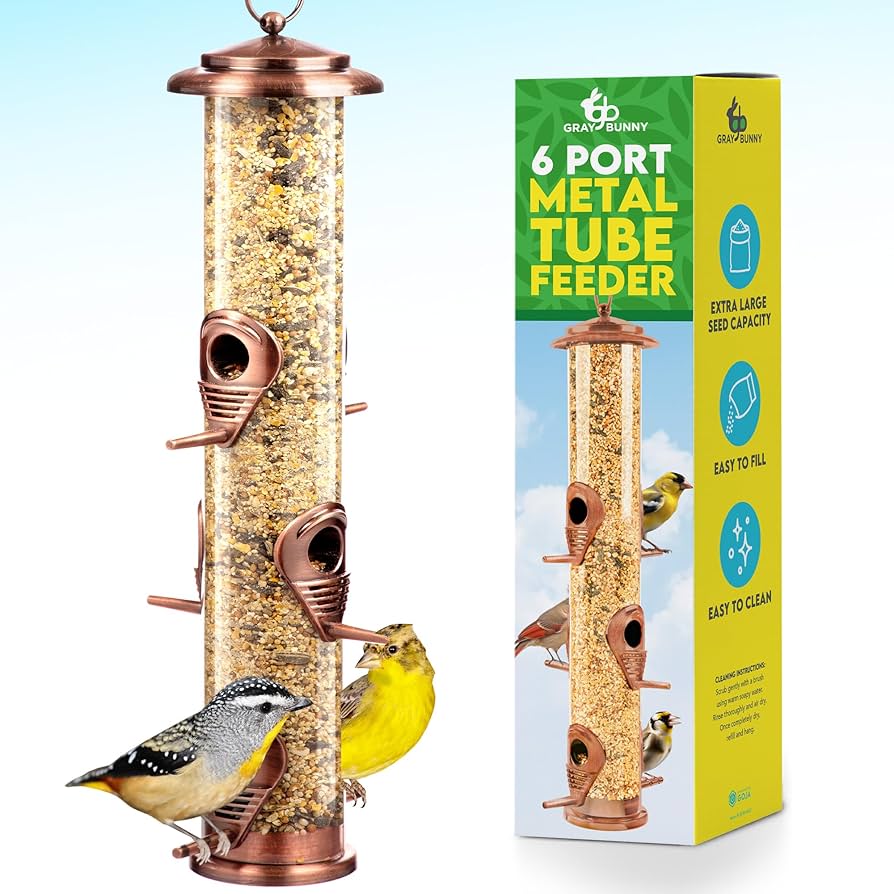
WOSOKE Squirrel Proof Bird Feeder Metal Hanging
Learning Curve: Easy
$25.99
Difficulty: 1/5
Why Great for Beginners:
This metal tube feeder is super simple to hang and fill, with weight-activated perches that block squirrels instantly. Beginners love it for zero assembly and quick bird visits—no tools needed.
✓ Beginner Pros
+Twist-open top for easy refill
+Squirrel-proof without effort
+Holds 2 lbs seed for a week
+Rust-resistant metal lasts seasons
✗ Beginner Cons
-Smaller capacity than premium
-Ports for small birds only
👍 Best for: Apartment dwellers or tiny budgets testing birdwatching
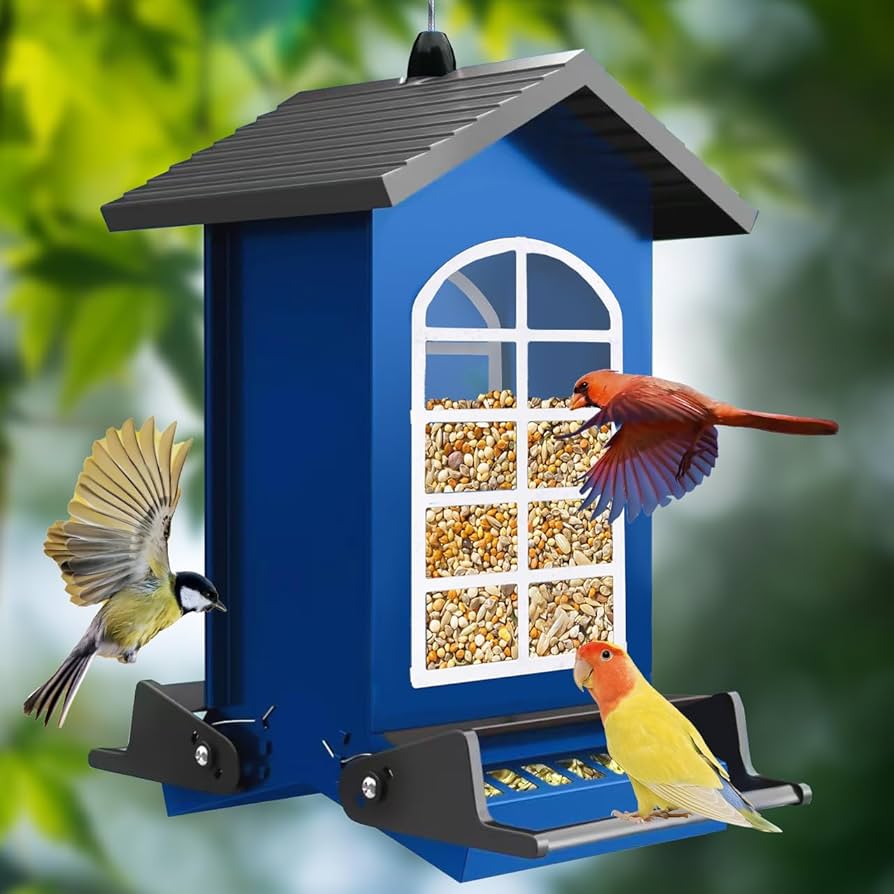
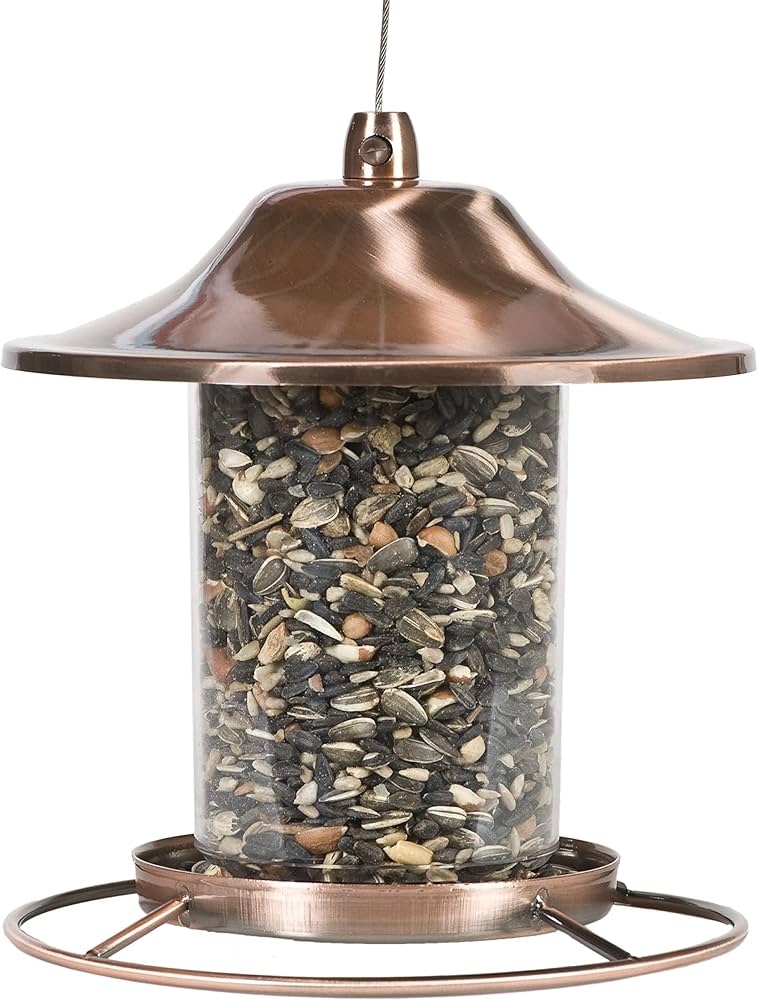
Panoramic 360-degree feeding lets more birds eat at once, with fully assembled design—hang and go. Perfect starter as it's forgiving, spill-proof, and attracts cardinals fast.
✓ Beginner Pros
+No assembly required
+8 feeding ports
+Clear panels to monitor seed
+Drainage prevents wet mess
✗ Beginner Cons
-Plastic may fade in intense sun
-Squirrels can jump if unbaffled
👍 Best for: Most backyard beginners wanting variety
Designed for no-fuss cleaning with removable parts that snap apart—dishwasher safe. Beginner dream for avoiding mold and frustration, plus UV-stabilized plastic holds up.
Top pick for reliability—locking lid, powder-coated steel defies weather/squirrels. Beginners thrive with its chew-proof build and spacious design for bigger birds.
Bird feeders hold seed to attract songbirds like finches, cardinals, and chickadees to your yard. Basics: Hang 5-6 feet high, away from trees (squirrel highway), near cover for bird safety. Types include tube (vertical, for small seeds), hopper (tray-style, mixed seeds), platform (ground feeders, messier), suet cages (fat blocks for winter).
Best for beginners: Tube or hopper feeders—they're compact, less spill, easy hang. Expect 1-2 weeks to see birds (patience key); start with black oil sunflower or mixed seed. 'Beginner-friendly' means no assembly hassles, intuitive use, and forgiving (handles rain, clumsy hangs). Marketing like 'attracts 50 species' is hype—focus on reliability.
🔧 Essential Accessories for Beginners
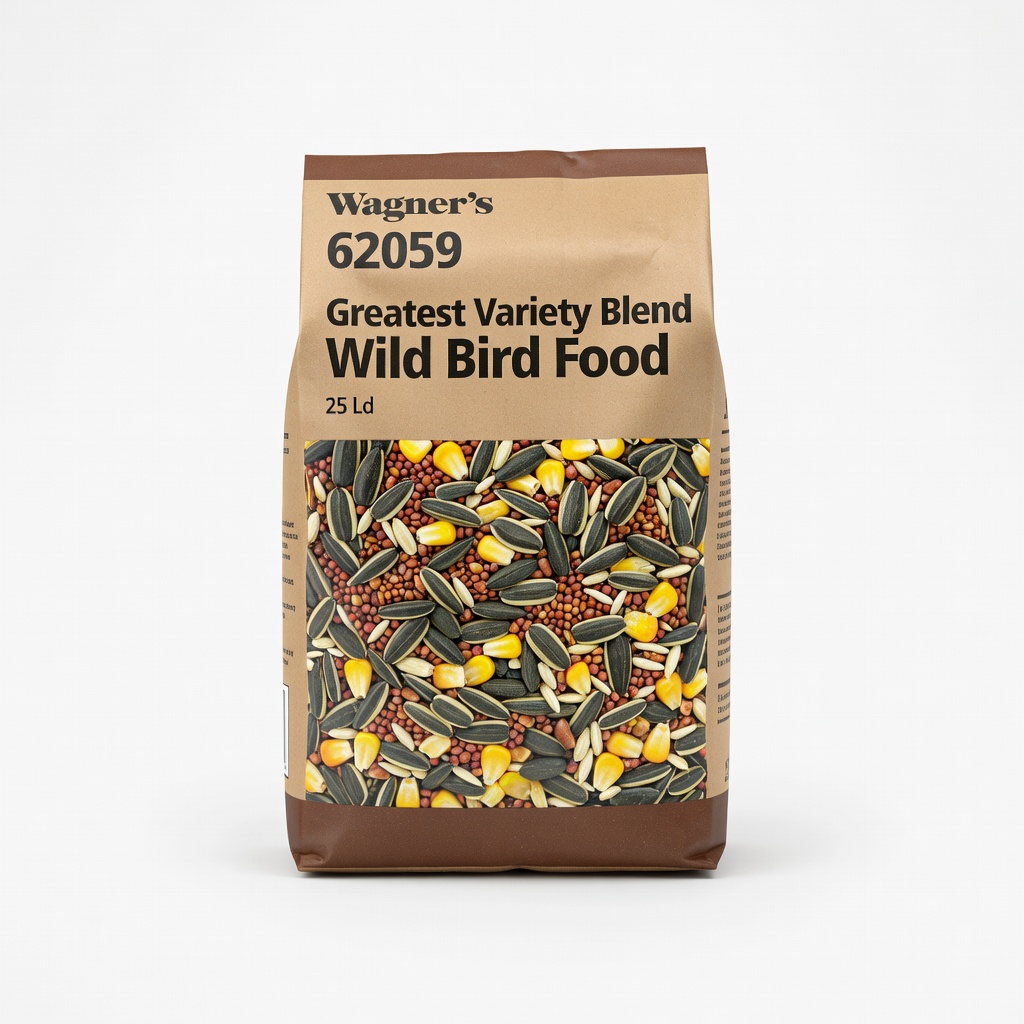
Wagner's 62059 Greatest Variety Blend Wild Bird Food, 25-Pound Bag
⚠️ Essential
$24.99
When to buy:
Day one
Birds won't come without the right seed—this blend has sunflowers, millet, and nuts that attract 30+ species immediately. Skip cheap mixes; this reduces waste and empty-feeder blues.
Ask: Budget? (under $20 to try, $20-40 for lasting fun). Yard size? Small balcony loves window-mount; big yard needs pole-hung. Goal? Just watch cardinals or variety? Start simple.
Sweet spot: $20-40 gets squirrel-proof, easy-clean model with growth room. Budget under $20 for testing; premium $40+ if serious (better build). Red flags: No cleaning claims, plastic-only (fades), huge capacity (spoils before empty). Consider growth: Pick one expandable to more feeders.
💰 Budget Guide for Beginners
60+
Advanced starter: Pole systems or smart feeders for dedicated watchers.
20 - $40
Sweet spot: Squirrel-resistant metal/plastic with easy clean; perfect balance for daily use and first successes.
40 - $60
Premium beginner: Heavy-duty, multi-feature for all-weather reliability; outlasts cheaper ones.
Under $ - $20
Entry level: Basic plastic tube to test backyard birdwatching without big spend; may leak or attract squirrels.
⚠️ Common Beginner Mistakes to Avoid
Newbies grab $10 plastic that squirrels chew through, leading to empty pockets and no birds. Or splurge on hummingbird feeders for songbirds (wrong species). Forums buzz with 'hung it, nothing came'—often poor spot or no seed.
Avoid by starting mid-budget, squirrel-proof, mixed seed. Clean weekly, place 10ft from cover. Experienced folks say: 'First feeder teaches; invest in second.'
×Buying cheapest plastic—leaks and breaks in months
×Ignoring squirrels—seed gone before birds arrive
×Wrong seed (thistle only)—no backyard birds show
×Hanging too low/near trees—easy squirrel access
×Skipping cleaning—mold kills visits
×Overfilling—spoils in heat
×No patience—expecting birds day 1
📈 Your Progression Path: Beginner to Intermediate
Week 1: Hang feeder, add seed, watch quietly. Learn birds via app. Month 1: Note visitors, clean routine.
Outgrow beginner when wanting more types (hummingbird/suet add-ons) or bigger yard setup. Upgrade to pole systems after 3-6 months. Intermediate: Multiple feeders, seed experiments, binoculars. Stay beginner 3-12 months building habits.
📚 Learning Resources for Beginners
📖Stokes Beginner's Guide to Birds: Eastern Region (0316818097) - Pocket ID book with photos.