Choose your first bike helmet with confidence: simple guide to top picks, features, and mistakes to avoid.
Picking your first bike helmet can feel overwhelming with endless options, confusing labels, and worries about safety and fit. As a beginner cyclist, you just want something reliable that protects your head without complicating your rides.
This guide cuts through the noise, focusing on what matters most for newcomers: safety, comfort, and ease. We'll explain features in plain English, recommend real Amazon helmets perfect for starters, and show you how to avoid costly mistakes.
By the end, you'll know exactly which helmet to buy, feeling confident and ready to hit the road safely.
📋 In This Guide
• Why Beginners Struggle with Bike Helmet
• What to Look For (Key Features)
• Top 4 Beginner-Friendly Bike Helmet
• Essential Accessories for Beginners
• Common Beginner Mistakes to Avoid
• Your Progression Path
• FAQ & Learning Resources
😰 Why Beginners Struggle with Bike Helmet
Beginners often feel lost because bike helmets look similar but vary wildly in fit, protection, and price. Terms like 'MIPS' or 'CPSC certified' sound technical and scary, leaving you unsure if a cheap one is safe or if expensive means better.
Many fear buying the wrong size or style, leading to discomfort or regret. With hundreds of Amazon listings, it's easy to get paralyzed by reviews mentioning crashes or poor adjustments that beginners don't know how to check.
Forums like Reddit's r/bicycling reveal new riders frustrated by helmets that slip, overheat, or break easily, amplifying fears of wasting money on gear that doesn't protect during their first falls.
🔍 What to Look For: Key Beginner-Friendly Features
Focus on basics: a snug but comfortable fit with easy dial adjustment, good ventilation to stay cool, and safety certifications like CPSC (meets US safety standards). MIPS technology (a slippery layer inside that reduces brain rotation in crashes) is a beginner must-have for extra forgiveness.
Look for lightweight designs under 300g, removable washable pads for hygiene, and simple straps that don't tangle. Avoid flashy extras like built-in lights yet—they add complexity.
Beginner-friendly helmets tolerate imperfect fitting, have clear sizing guides, and come with user-friendly manuals or videos.
✅ Essential Features for Beginners
•Easy dial fit system: Turns like a knob to snugly adjust around your head without tools.
•MIPS protection: Inner layer slides to reduce crash twisting forces—forgiving for beginner falls.
•12+ vents: Keeps your head cool on short rides, preventing sweat distractions.
•CPSC certification: Proven safe standard, no guesswork on protection.
•Lightweight under 300g: Feels unnoticeable so you focus on pedaling.
•Washable pads: Easy clean after sweaty rides, stays fresh for repeated use.
•Magnetic buckle: Snaps shut effortlessly, no fumbling with straps.
🏆 Top 4 Best Bike Helmet for Beginners
#1
💰 Budget
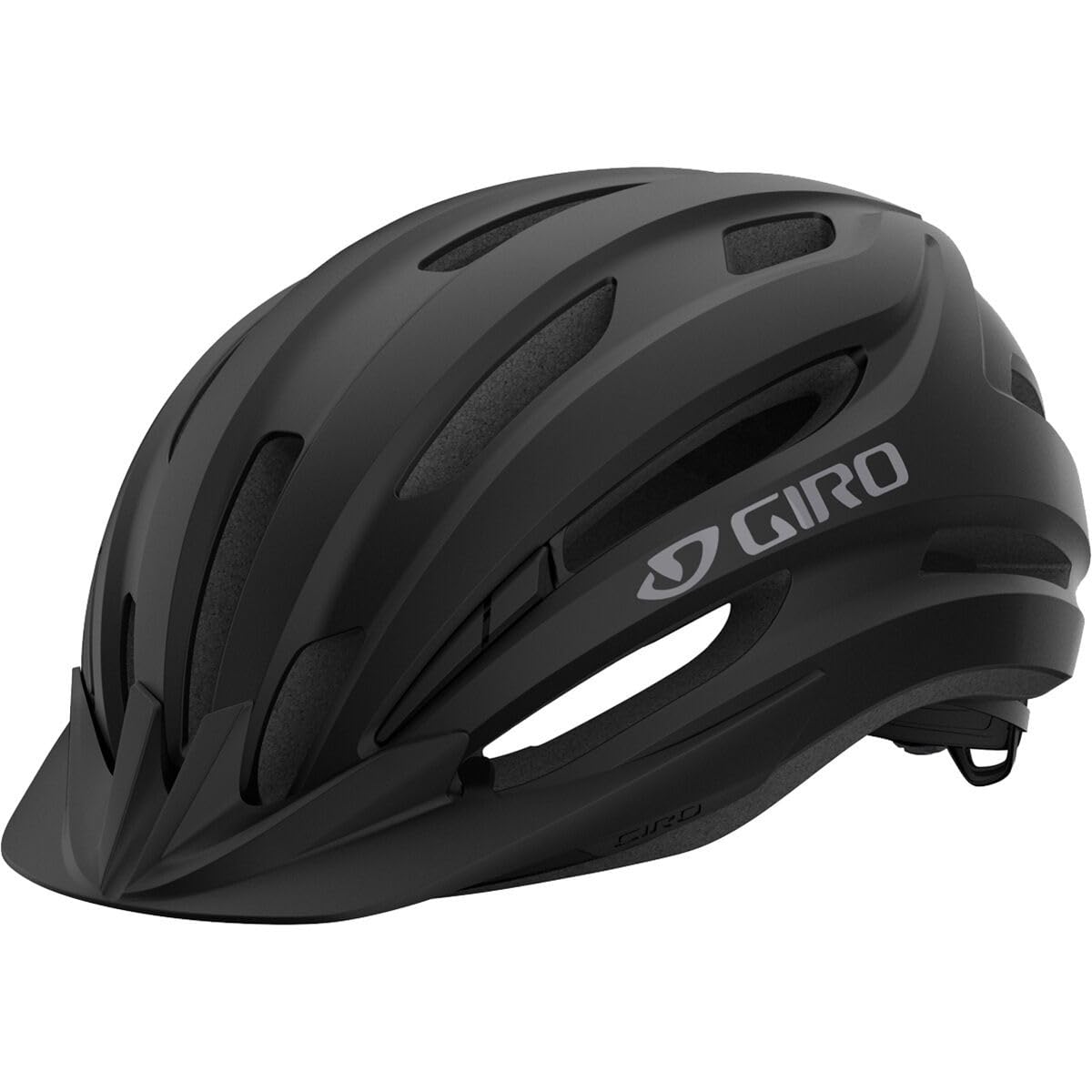
Giro Register MIPS Helmet - Matte Black, Medium
Learning Curve: Easy
$54.99
Difficulty: 1/5
Why Great for Beginners:
Affordable entry with MIPS crash protection and simple dial fit—perfect for testing cycling without big spend. Lightweight and vented for comfy first rides.
✓ Beginner Pros
+Super easy 1-knob adjust
+Forgiving MIPS layer
+Breathable for newbies
+Universal fit range
✗ Beginner Cons
-Basic visor
-Pads wear faster
👍 Best for: Casual neighborhood riders on tight budget
A bike helmet is padded foam inside a hard shell that absorbs crash impacts, protecting your skull. Beginners need universal-fit models for road, path, or casual city riding—not specialized MTB or aero road helmets.
Best for starters: commuter or all-rounder types with MIPS, adjustable fit, and visor for sun. These handle everyday wobbles and low-speed falls well.
Expect 1-3 years of use before outgrowing; they won't make you pro but keep you safe while learning balance. 'Beginner-friendly' means intuitive fit in seconds, breathable for 30-min rides, and budget under $100 with solid protection—no steep setup hassles.
Marketing like 'aero channels' or 'race-ready' is fluff; prioritize fit tests (wear 1 min snug, no pressure points) and real-user crash survival stories.
🔧 Essential Accessories for Beginners
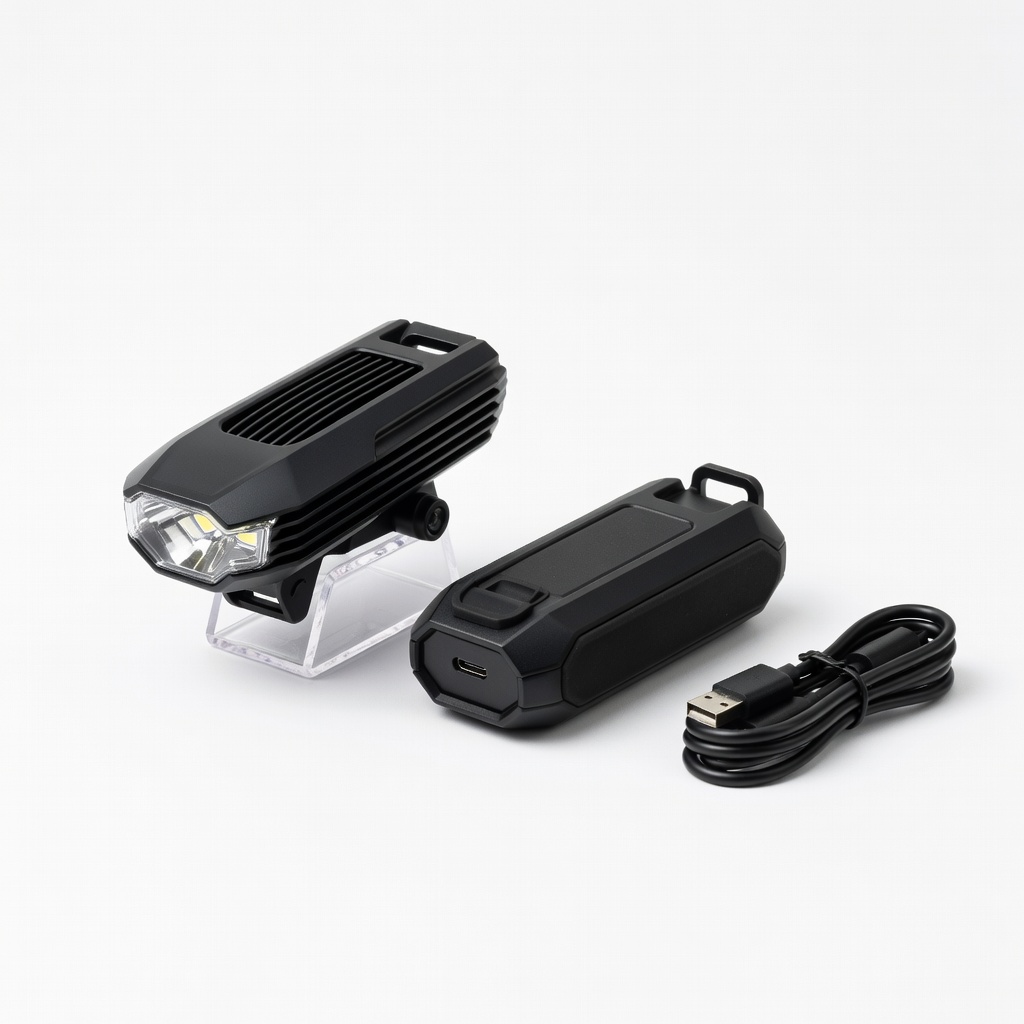
Ascher USB Rechargeable Bike Light Set
⚠️ Essential
$19.99
When to buy:
Day one
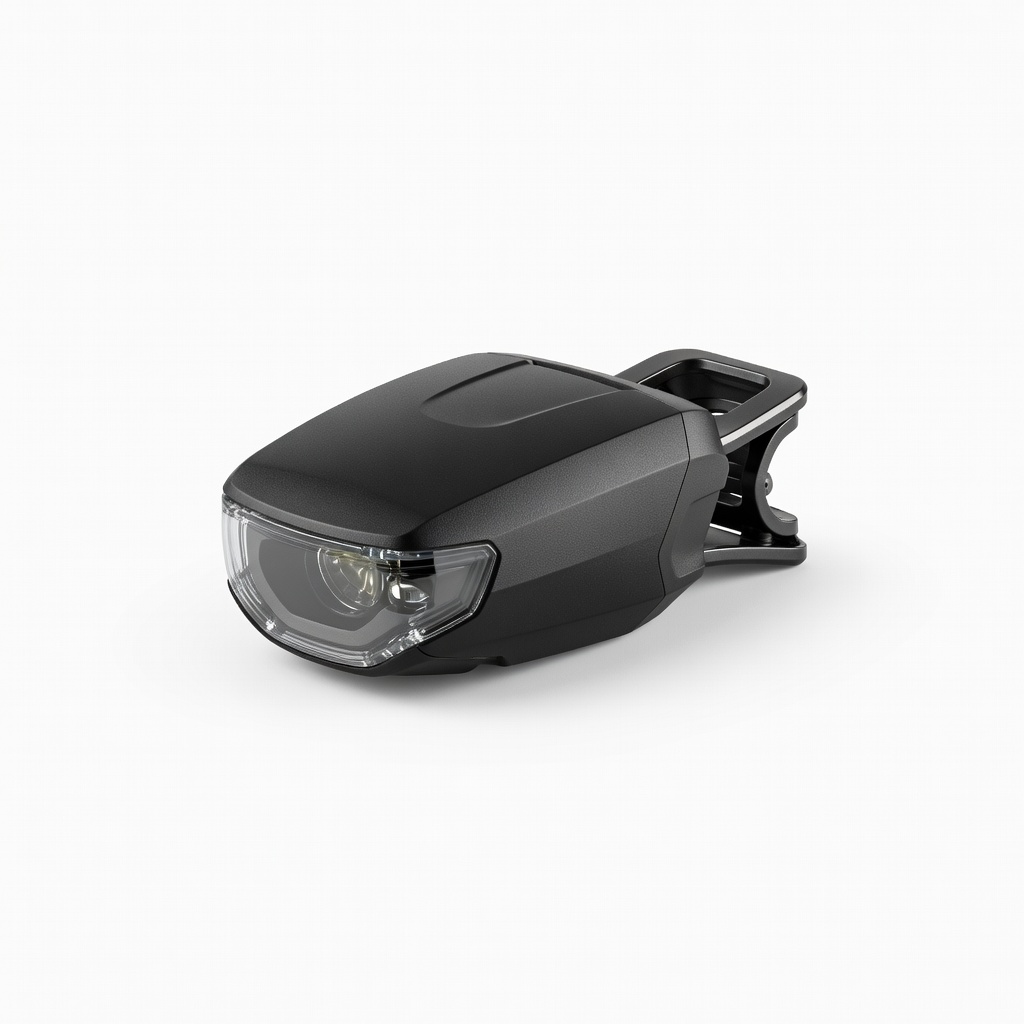
Visibility saves lives—beginners often forget dusk rides turn risky. This set clips on easily for front/rear safety.
Ask: What's your riding? Casual neighborhood (budget commuter), paths/trails (vented all-rounder)? Head size? Measure circumference above eyebrows (e.g., 54-58cm medium).
Budget: Under $50 for trials, $50-100 sweet spot (MIPS + comfort), $100+ premium (longer-lasting). Start recommended tier unless super tight funds.
Try-on tips: Shake head—no wobble. Future-proof: Pick growth-friendly with wide size range. Red flags: No certifications, stiff straps, heavy (>350g). Match your style—urban? Visor yes; pure road? No.
💰 Budget Guide for Beginners
200+
Pro entry: Advanced tech for serious starters planning frequent cycling.
50 - $100
Sweet spot: MIPS safety, easy fit, great for most beginners' daily rides.
100 - $200
Premium beginner: Top ventilation, durable, room to grow into longer rides.
Under $ - $50
Entry level: Basic protection for short tries, may lack MIPS or comfort.
⚠️ Common Beginner Mistakes to Avoid
Beginners grab bargain basement helmets lacking certifications, regretting when they crack easy or pinch heads. Reviews show many quit cycling from poor fit.
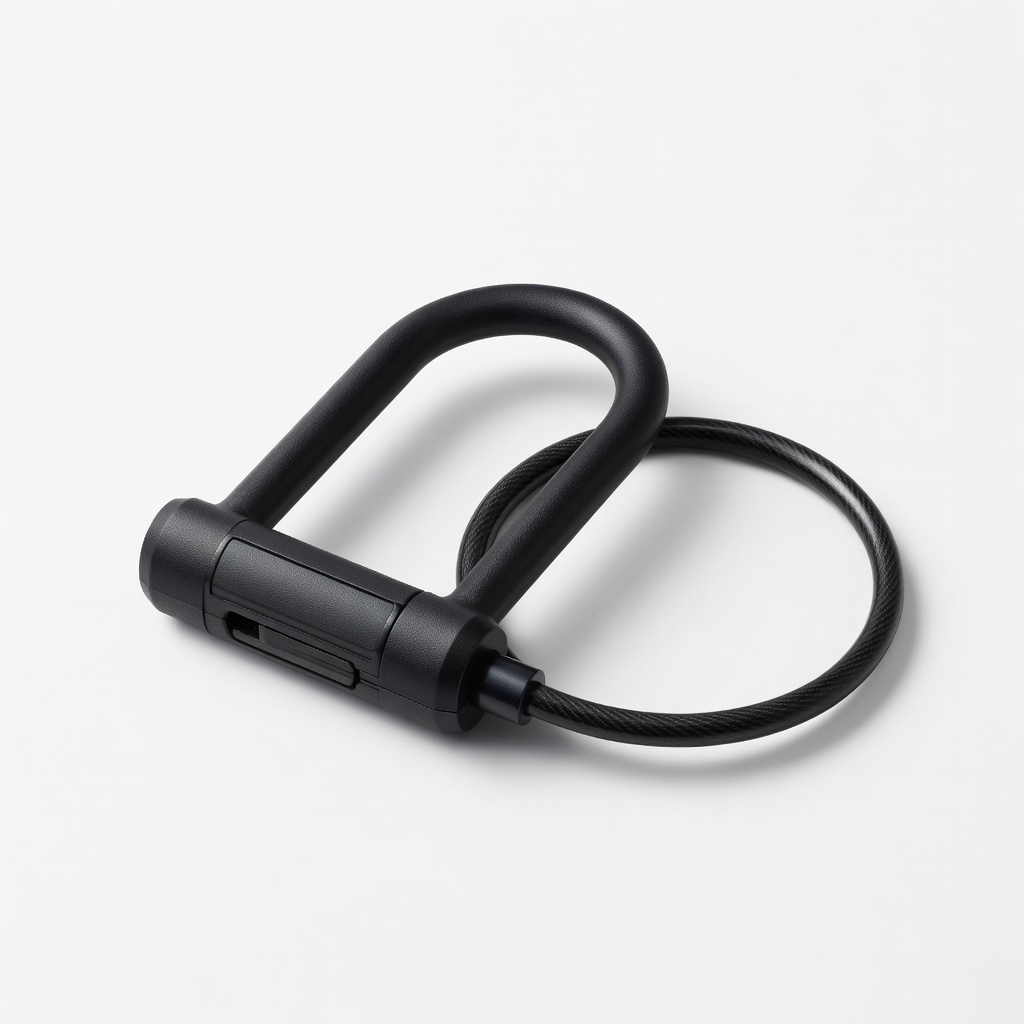
They overlook lights/locks, facing fines or theft. Avoid by prioritizing MIPS/fit first, add safety gear day one.
Expereinced riders say: Test shake/wobble, measure head, read size charts—saves returns and frustration.
×Buying cheapest without CPSC/MIPS—false safety economy.
×Wrong size: Too big slips in crash.
×Skipping fit test—leads to discomfort quits.
×Ignoring vents—overheats on first rides.
×No accessories like lights—night risk.
×Fancy MTB for streets—too heavy/complex.
×Not replacing after drop—protection gone.
📈 Your Progression Path: Beginner to Intermediate
Start with short 10-20 min rides focusing fit/comfort. Practice emergency stops to test helmet stability.