Pick your first telescope with confidence - top picks, accessories, and mistakes to avoid for stargazing newbies.
Choosing your first telescope can feel scary - too many options, confusing terms like 'aperture' and 'focal length,' and worry about wasting money on something hard to use. Beginners often think they need a huge, powerful scope to see planets and galaxies, but that's not true. This guide cuts through the confusion.
We'll explain what really matters for stargazing starters, recommend real Amazon telescopes that are easy and forgiving, and show you how to avoid pitfalls. By the end, you'll know exactly what to buy and feel excited to spot your first Moon crater or Saturn's rings.
📋 In This Guide
• Why Beginners Struggle with Beginner Telescope
• What to Look For (Key Features)
• Top 4 Beginner-Friendly Beginner Telescope
• Essential Accessories for Beginners
• Common Beginner Mistakes to Avoid
• Your Progression Path
• FAQ & Learning Resources
😰 Why Beginners Struggle with Beginner Telescope
New stargazers face big hurdles: overwhelming ads promising '500x magnification' that deliver blurry views, technical jargon like 'refractor vs reflector' without explanations, and fear of picking the wrong one. Forums like Reddit's r/telescopes are full of stories from beginners who bought cheap toys that frustrate more than inspire.
Mount stability is often ignored - wobbly bases make everything shake, ruining views. Light pollution in cities hides stars, leading to disappointment. Plus, setup time: some scopes take hours to align, when beginners want quick backyard fun. The result? Many quit after one night.
🔍 What to Look For: Key Beginner-Friendly Features
Focus on ease: Look for alt-azimuth mounts (simple up-down, left-right controls like a lazy Susan). Aperture 70-130mm for bright views without complexity. Pre-assembled or quick-setup to avoid frustration.
Nice-to-haves: Erect image eyepieces (right-side-up views) and smartphone adapters for easy photos. Skip computerized GoTo scopes - too fiddly for starters. Beginner-friendly means forgiving: stable on breeze, simple eyepieces, and good instructions. These let you see the Moon, planets, and star clusters right away.
✅ Essential Features for Beginners
•Alt-azimuth mount: Easy point-and-view controls, no complex tracking
•70-130mm aperture: Enough light for bright Moon, Jupiter, Saturn without huge size
•Erect image diagonal: Upright, correctly oriented views like binoculars
•Pre-assembled tripod: Sets up in minutes, stable for shaky hands
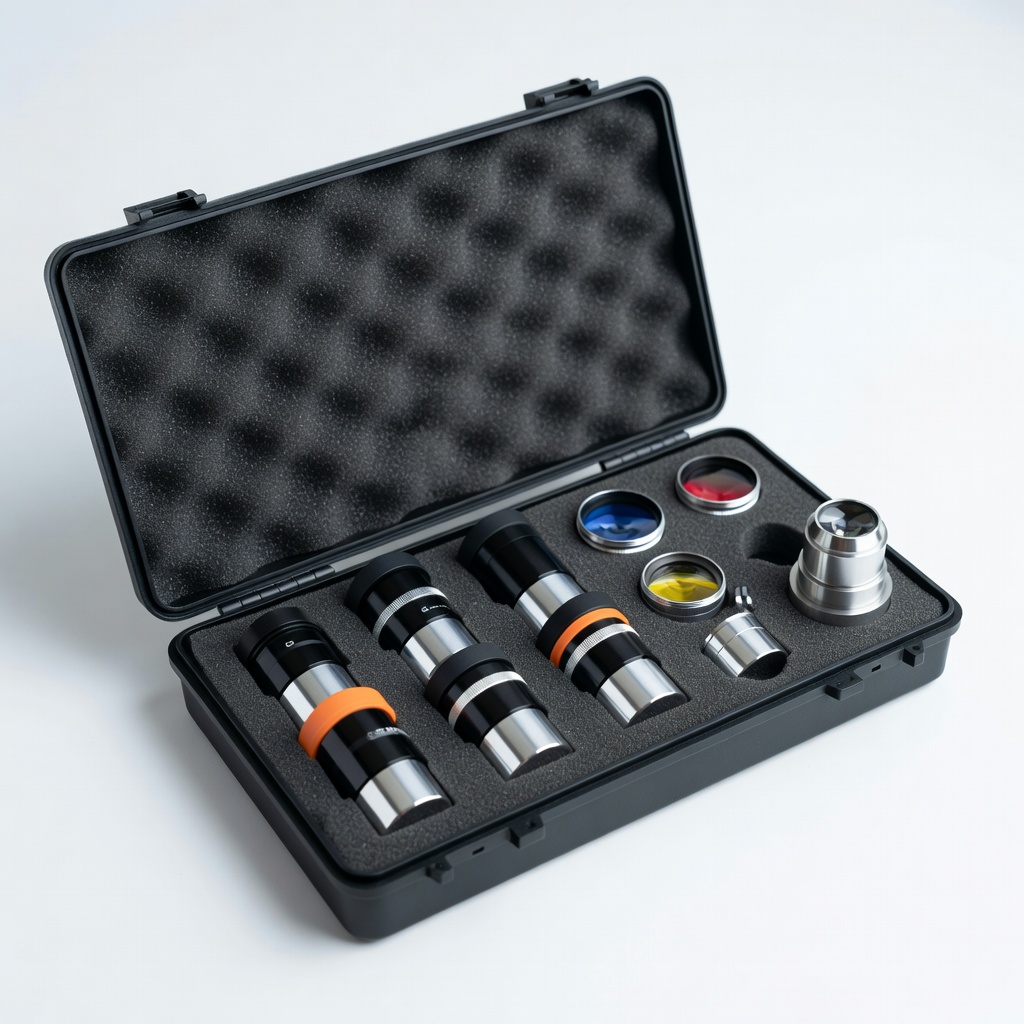
•Multiple eyepieces: Low-power for wide views, high for zoom - forgiving for beginners
•Smartphone adapter: Snap pics instantly to share success
•Lightweight design: Portable for backyard or travel
🏆 Top 4 Best Beginner Telescope for Beginners
#1
💰 Budget
Gskyer 70mm Refractor Telescope
Learning Curve: Easy
$89.99
Difficulty: 1/5
Why Great for Beginners:
Super affordable entry to stargazing with simple setup. Includes phone adapter for instant photos. Forgiving for kids/adults new to scopes.
Excellent balance of power and simplicity with sturdy equatorial mount for easy tracking. Great Moon/planet views that wow beginners. Room to add eyepieces later.
Telescopes magnify distant objects using lenses (refractors) or mirrors (reflectors). Refractors are simple, sealed tubes great for Moon/planets. Reflectors/Dobsonians gather more light for deep-sky objects like nebulae, best for dark skies.
Dobsonians win for beginners: cheap, stable, no wobble - just push to move. Avoid catadioptrics (fancy hybrids) - too advanced. Expect to see Moon details, Jupiter's moons, Saturn's rings, and bright star clusters. No galaxies in cities yet.
'Beginner-friendly' means quick setup (<10 min), intuitive controls, and apps/guides included. Ignore 'magnification' hype - it's aperture and steady mount that matter.
🔧 Essential Accessories for Beginners
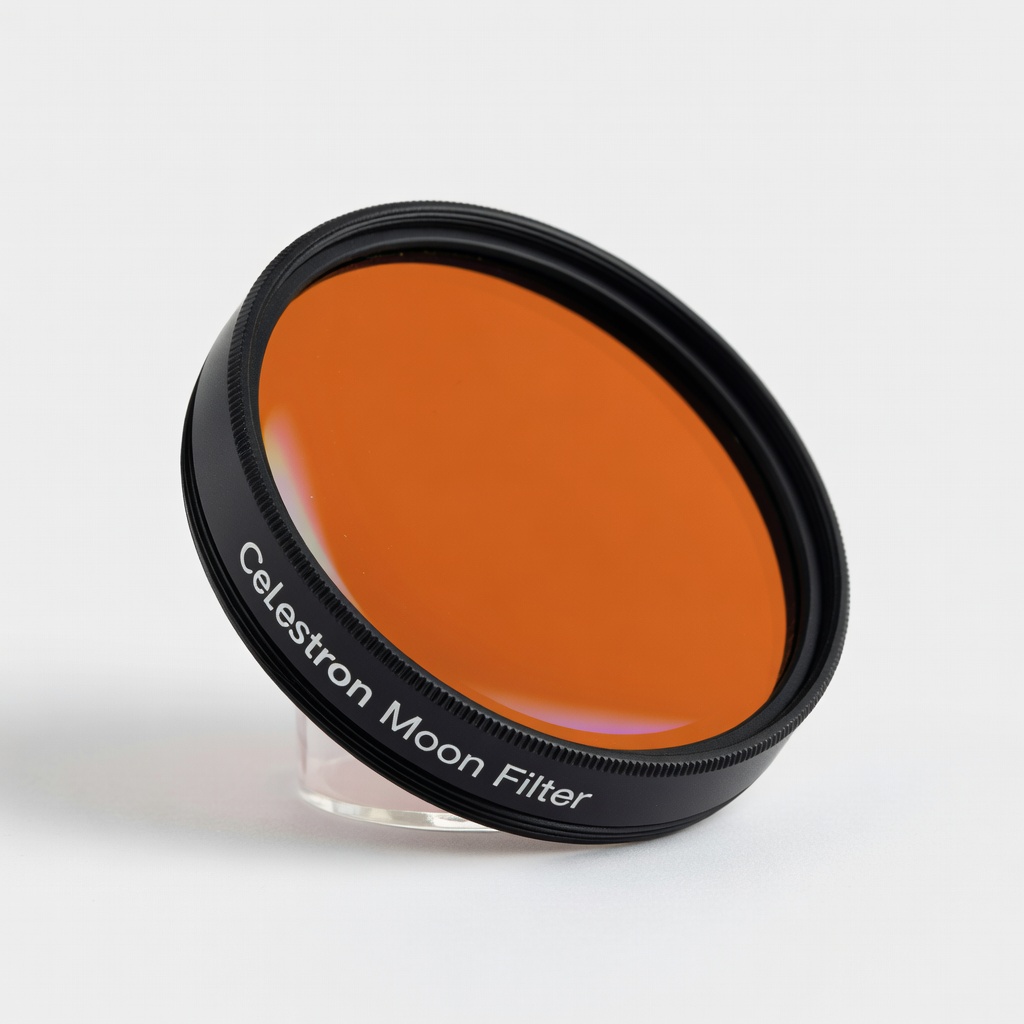
Celestron Moon Filter
⚠️ Essential
$14.95
When to buy:
Day one
Cuts Moon's glare for comfy, detailed crater views. Prevents eye strain on first looks. Cheap upgrade that transforms experience.
Ask: What's your budget? Backyard city viewing or dark-sky trips? Solo or family? Under $100 for trials, $150-300 sweet spot for lasting fun.
City dwellers: Refractor with good mount. Rural: Dobsonian. Test stability in reviews. Go budget if testing interest, recommended for commitment, premium if serious. Red flags: Cheap plastic mounts, vague specs, no eyepieces included.
Plan growth: Pick one with upgradeable eyepieces.
💰 Budget Guide for Beginners
500+
Advanced entry - computerized tracking for serious starters
150 - $300
Sweet spot - stable mounts, good aperture, most beginners' best value
300 - $500
Premium beginner - larger aperture, better optics, lasts years
Under $ - $150
Entry level - basic refractors to try stargazing, limited views but low risk
⚠️ Common Beginner Mistakes to Avoid
Beginners chase '1000x zoom' ads, but unstable mounts cause shake. Solution: Prioritize mount/aperture. Many skip Moon filters, squinting painfully - buy day one.
Cheap Walmart scopes gather dust; invest $150+ for real optics. Forums warn: Test setup indoors first. Experienced users say: Start simple, learn sky first.
×Chasing max magnification - blurry views from poor mount
×Ignoring mount quality - wobbles ruin everything
×Skipping filters - harsh glare frustrates
×Buying department store toys - not real scopes
×Overlooking aperture - tiny lenses = dim stars
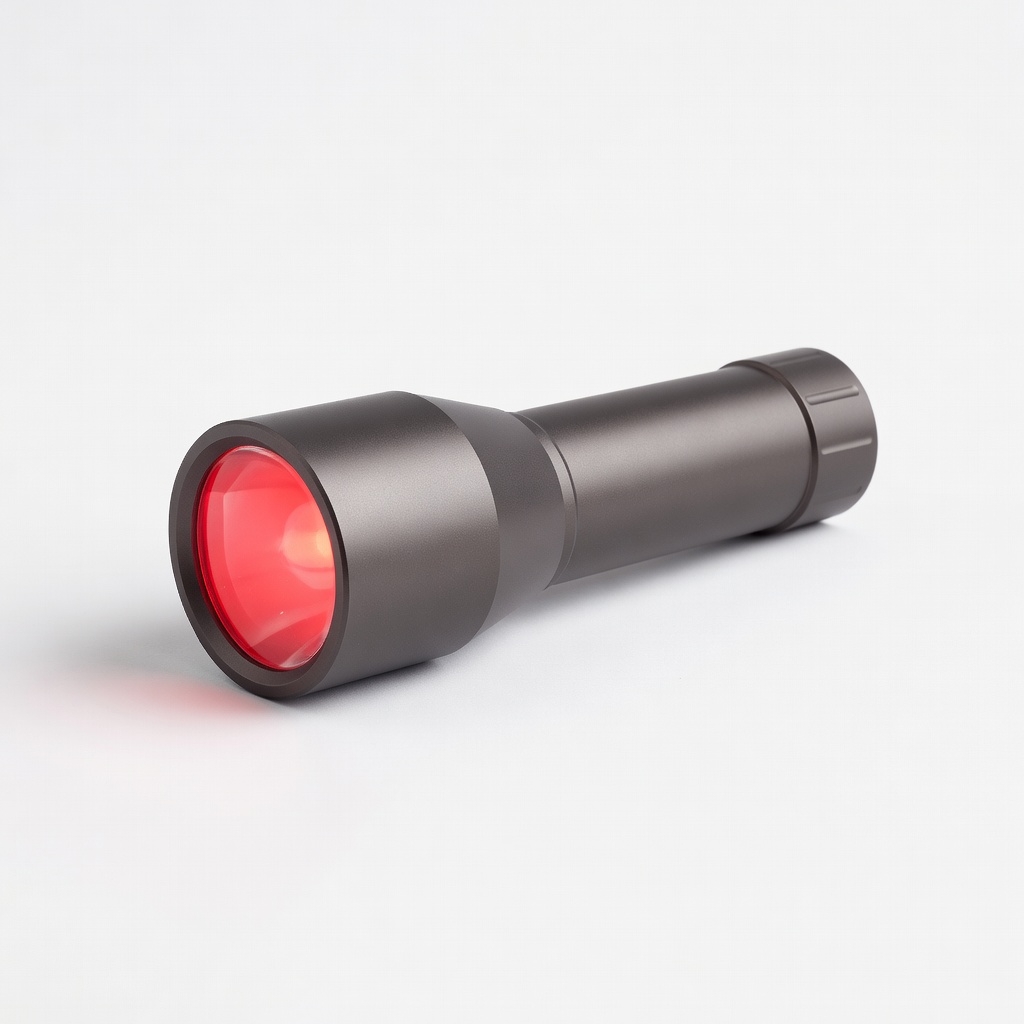
×No red light - ruins night vision
×City scope for deep sky - pollution blocks
×Not getting eyepieces - limited to one power
📈 Your Progression Path: Beginner to Intermediate
First: Naked eye constellations, free apps like SkySafari. Week 1: Moon, planets. Build by noting positions.
Outgrow beginner when wanting faint galaxies consistently. Upgrade eyepieces first, then larger Dobsonian (6-8 months). Intermediate: Motorized mounts, astrophotography. Most stay beginner 3-12 months.
📚 Learning Resources for Beginners
📖NightWatch: A Practical Guide to Viewing the Universe (ASIN B0000AHL1Y)