Discover your first microscope with ease—no jargon, just simple picks and tips to spark your science curiosity confidently.
Picking your first beginner microscope can feel scary. There are so many choices, weird terms like 'achromatic objectives' or 'mechanical stages,' and worries about wasting money on something too hard or too basic. As a complete newbie, you just want to see tiny worlds—like cells or pond critters—without frustration.
This guide cuts through the confusion. We'll explain what matters for beginners, share top Amazon picks that are easy and forgiving, and show you how to avoid pitfalls. By the end, you'll know exactly what to buy and why, feeling excited to start your home lab adventures.
📋 In This Guide
• Why Beginners Struggle with Beginner Microscope
• What to Look For (Key Features)
• Top 4 Beginner-Friendly Beginner Microscope
• Essential Accessories for Beginners
• Common Beginner Mistakes to Avoid
• Your Progression Path
• FAQ & Learning Resources
😰 Why Beginners Struggle with Beginner Microscope
Beginners often feel lost because microscopes look complex, with dials, lights, and magnifications that sound sci-fi. Forums like Reddit's r/microscopy are full of newbies frustrated by blurry images or scopes that break easily. Many fear buying a 'toy' that shows nothing real or an expensive one they'll never master.
Options overwhelm: cheap kids' kits vs lab-grade gear. Without knowing basics, you might ignore key needs like steady light or easy focus. Reviews show beginners quitting after bad first views, thinking it's them, not the tool.
🔍 What to Look For: Key Beginner-Friendly Features
Focus on simple must-haves: LED lights for clear views (no burnt-out bulbs), coarse and fine focus knobs for quick adjustments without shaking, and magnifications from 40x to 400x or 1000x (enough for cells without overwhelming).
Nice extras: mechanical slide holder to move samples easily, metal body for durability. Skip fancy cameras or high-end oils—too much for starters. Beginner-friendly means forgiving blurry starts, good instructions, and parts that tolerate wobbly hands.
Look for 'student' or 'compound' types—compact, with clips for slides. Check reviews for 'easy setup' and 'clear pond water views.'
✅ Essential Features for Beginners
•LED illumination: Bright, cool light that's always ready—no hot bulbs to replace
•Coarse and fine focus: Quick zoom then tiny tweaks for sharp images without frustration
•Mechanical stage: Easy slide movement so beginners don't chase samples
•40x-400x magnification: Perfect for first views of onion cells or bugs
•Durable metal build: Survives drops and rough handling
•Simple eyepieces: Clear 10x lenses with no confusing extras
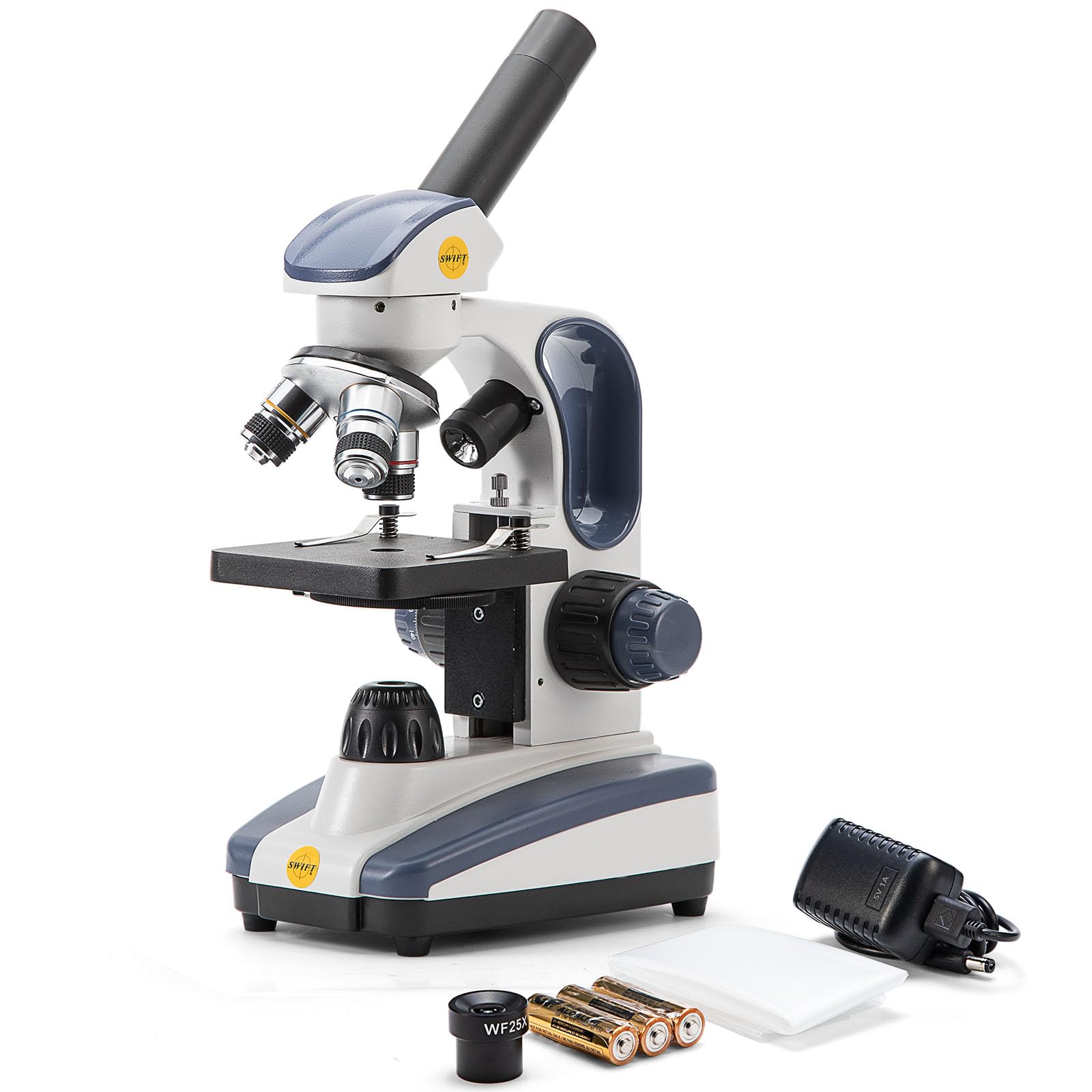
This all-metal scope is tough and simple, with LED light and easy focus for instant clear views. Beginners love how it handles wobbles and includes starter slides—no extras needed day one.
✓ Beginner Pros
+Super affordable entry
+Bright LED never fails
+Quick coarse focus
+Durable for kids/adults
✗ Beginner Cons
-Single eyepiece tires eyes
-Basic stage clips
-High mag can blur easily
👍 Best for: Kids or casual first-timers on tight budget
👎 Not for: Anyone sharing or viewing long sessions
Swift SW200DL 40X-1000X Dual Light Compound Microscope
Learning Curve: Easy
$159.99
Difficulty: 2/5
Why Great for Beginners:
Perfect balance of ease and power, with top/bottom lights for slides or solids. Mechanical stage makes moving easy, forgiving beginner shakes for sharp pond life views.
✓ Beginner Pros
+Dual lights versatile
+Smooth mechanical stage
+Abbe condenser clarity
+Great value durability
✗ Beginner Cons
-Slight assembly
-No case included
👍 Best for: Most home lab beginners exploring biology
📖 Complete Beginner's Guide to Beginner Microscope
A beginner microscope is a compound type that magnifies tiny slides up to 1000x, letting you see bacteria or leaf cells. Unlike stereo scopes for rocks, these dive deep into biology.
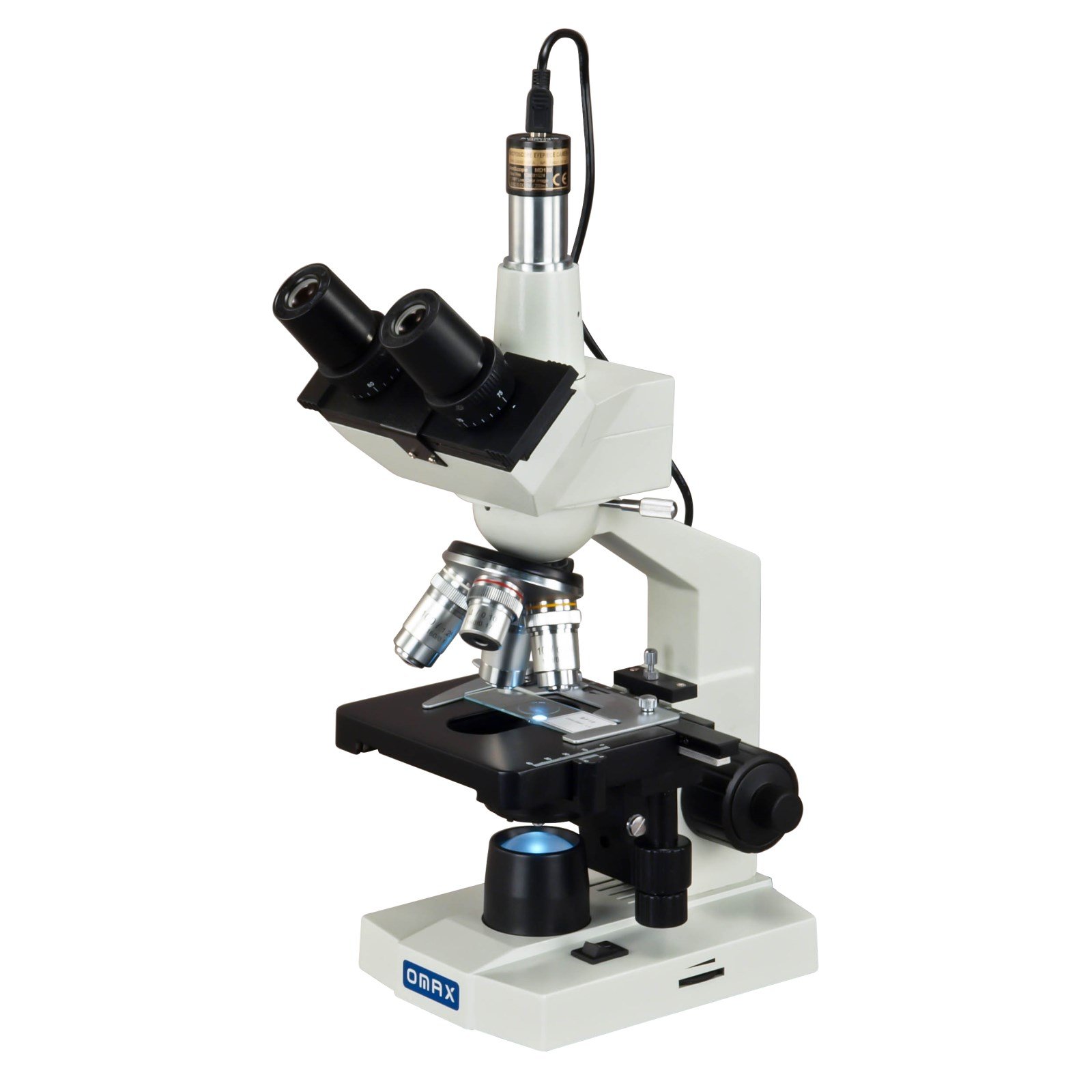
Best for newbies: monocular student models—single eyepiece, straightforward. Binoculars add comfort but cost more. Expect to see hairs, fibers, and basic cells first; pro-level details come later.
Beginner-friendly means plug-and-play: clip slide, adjust light, focus. Avoid digital unless you want photos later. Realistic: first sessions are blurry practice, but good picks forgive that.
🔧 Essential Accessories for Beginners
AmScope PS25 25 Prepared Microscope Slides
⚠️ Essential
$12.99
When to buy:
Day one
No slides, no viewing— these ready-to-go samples let you start instantly seeing cells, insects, plants without prep hassle.