Review Atlas
Review AtlasYour guide to a better purchase

Menu

Shop by Category

Get the App

Better experience on mobile

Beginners GuideTasting

7 Best Best Craft Beer Glasses for beginners in 2026: Tested & R…

Everything beginners need to know to choose their first craft beer glasses with confidence

Choosing your first set of craft beer glasses can feel overwhelming. With so many shapes—from tulips to weizen glasses—and terms like "nucleation sites" and "stemware," it's easy to get lost. But the right glass transforms your beer experience, enhancing aromas and flavors. This guide simplifies everything: what features truly matter for a beginner, which glasses to buy, and how to avoid common mistakes. By the end, you'll feel confident picking the perfect glass for your favorite brews.

📋 In This Guide

  • • Why Beginners Struggle with Craft Beer Glasses
  • • What to Look For (Key Features)
  • • Top 5 Beginner-Friendly Craft Beer Glasses
  • • Essential Accessories for Beginners
  • • Common Beginner Mistakes to Avoid
  • • Your Progression Path
  • • FAQ & Learning Resources

😰 Why Beginners Struggle with Craft Beer Glasses

Beginners often face a sea of glassware options without understanding why shape matters. Jargon like "chalice" or "pilsner glass" can be confusing. Many fear buying the wrong glass and wasting money. There are dozens of styles, each claiming to be best for a specific beer type. Without guidance, beginners may pick a generic pint glass (which is fine for some beers) but miss out on enhanced tasting experiences. The key is knowing that a few versatile shapes cover most needs.

🔍 What to Look For: Key Beginner-Friendly Features

For a beginner, focus on versatility, durability, and ease of cleaning. Look for glasses that enhance aroma and head retention—like a tulip or stemmed teku—since they work well with many beer styles. Avoid overly specialized glasses (e.g., stout-specific) until you know your preferences. Tempered glass or crystal is more fragile; dishwasher-safe options are beginner-friendly. A comfortable grip and stable base (no wobble) are important. And don't overlook aesthetics: a glass you love to hold will encourage more tasting.

✅ Essential Features for Beginners

  • Versatile shape: A tulip or teku works for ales, IPAs, stouts, and lagers.
  • Durable material: Look for dishwasher-safe, break-resistant glass.
  • Stem or no stem? Stems keep beer cool but are fragile; stemless is sturdier.
  • Etching or nucleation sites: Help release aromas—great for beginners (e.g., Spiegelau IPA glass).
  • Clear glass: Allows you to see beer color and clarity.
  • Proper capacity: 12-16 oz is ideal for standard bottles/cans.
  • Easy to clean: Wide openings and smooth interiors prevent residue buildup.

🏆 Top 5 Best Craft Beer Glasses for Beginners

#1
💰 Budget

Libbey Signature Craft Beer Glasses, Set of 4

Learning Curve: Easy

$24.99
Difficulty: 1/5
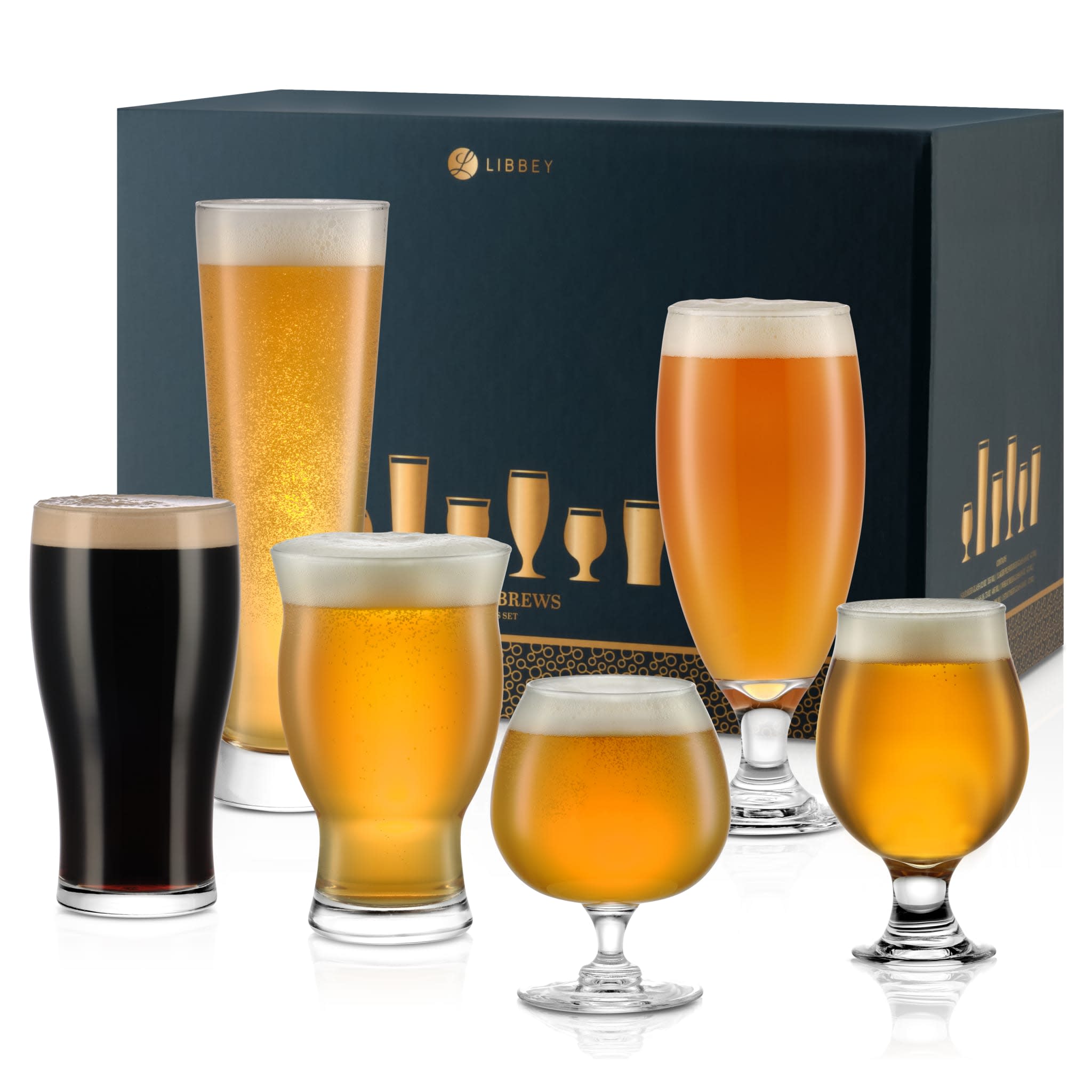
Libbey Signature Craft Beer Glasses, Set of 4

Why Great for Beginners:

Affordable set of tulip-style glasses that work for many beer styles. Sturdy and dishwasher safe, so you don't have to worry about breakage.

Beginner Pros

  • +Very affordable for a set
  • +Dishwasher safe
  • +Versatile tulip shape

Beginner Cons

  • -Thinner glass than premium options
  • -Not stemmed (may warm beer faster)
👍 Best for: Beginners on a tight budget who want a reliable start
👎 Not for: Those who want stemmed, elegant glassware

#2
👍 Recommended

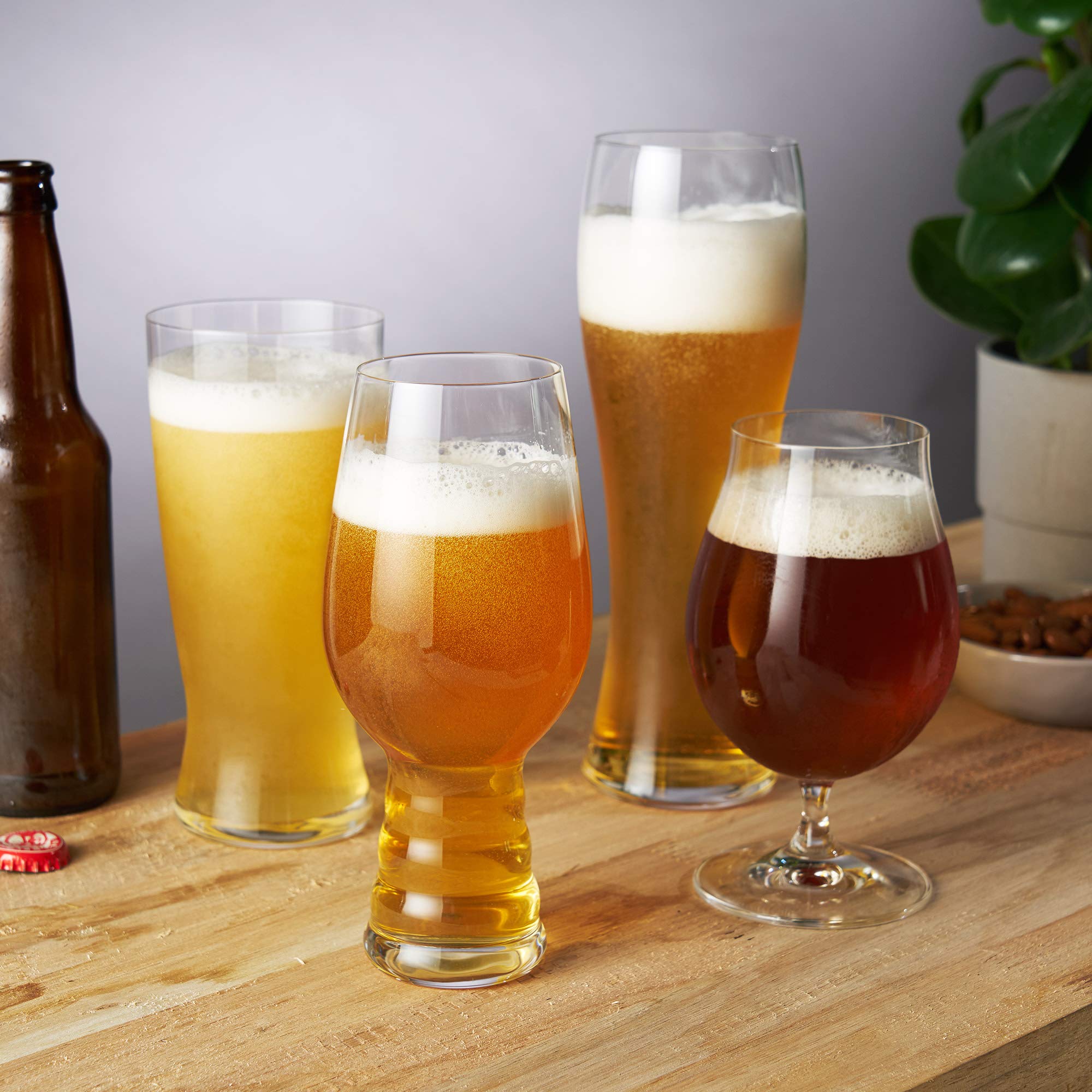
Spiegelau Craft Beer Tasting Glass (Set of 4)

Learning Curve: Easy

$39.99
Difficulty: 2/5
Spiegelau Craft Beer Tasting Glass (Set of 4)

Why Great for Beginners:

Designed specifically for craft beer tasting with etched bottom to release aromas. Stemmed to keep beer cool, yet sturdy enough for daily use.

Beginner Pros

  • +Nucleation sites enhance aroma
  • +Stemmed – keeps hand away from bowl
  • +Dishwasher safe

Beginner Cons

  • -Slightly more expensive
  • -Stem can be fragile if mishandled
👍 Best for: Beginners who want a significant upgrade in tasting without breaking the bank
👎 Not for: Those who prefer stemless glasses or extremely durable glassware
#3
👍 Recommended

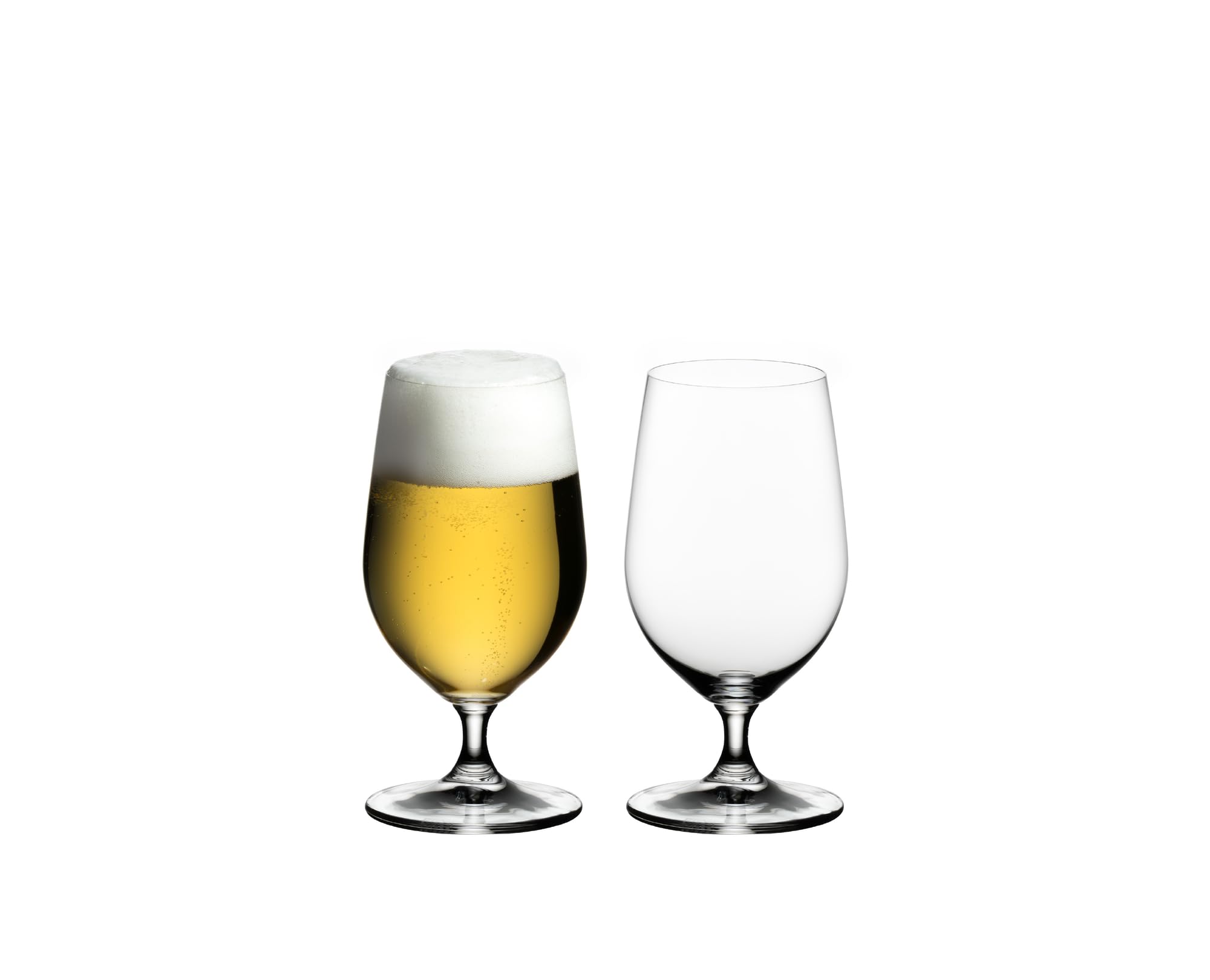
Riedel Craft Beer Glass (Set of 2)

Learning Curve: Easy

$59.99
Difficulty: 2/5
Riedel Craft Beer Glass (Set of 2)

Why Great for Beginners:

Riedel's beer glass is designed to enhance the aromas of IPAs, stouts, and lagers. The stemmed tulip shape is elegant and functional, teaching beginners how glass shape affects flavor.

Beginner Pros

  • +Superior crystal clarity
  • +Enhances beer character noticeably
  • +Dishwasher safe (gentle cycle)

Beginner Cons

  • -Higher price for only two glasses
  • -Delicate – hand washing recommended
👍 Best for: Beginners who care about aesthetics and want a premium experience
👎 Not for: Those who need a budget option or very durable glasses
#4
Alternative

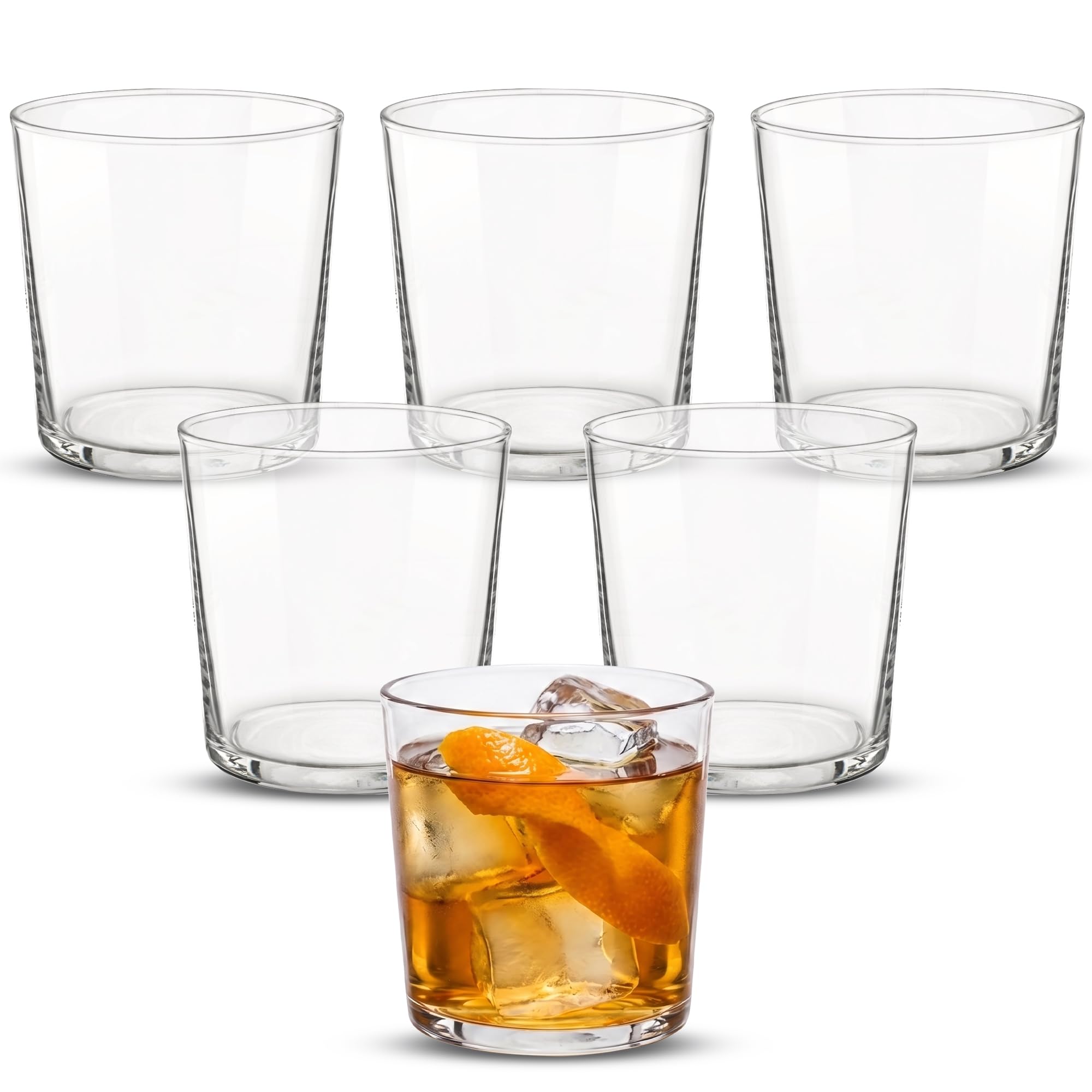
Bormioli Rocco Bodega Beer Glasses (Set of 6)

Learning Curve: Easy

$35.99
Difficulty: 1/5
Bormioli Rocco Bodega Beer Glasses (Set of 6)

Why Great for Beginners:

Classic tulip-shaped glasses with a heavy base for stability. Excellent for everyday use and come in a set, so you're ready for guests.

Beginner Pros

  • +Sturdy and heavy base
  • +Dishwasher safe
  • +Great value for a 6-pack

Beginner Cons

  • -Less refined glass
  • -No nucleation etching
👍 Best for: Beginners who want a large set for parties and robust glasses
👎 Not for: Those seeking aroma enhancement features
#5
✨ Premium

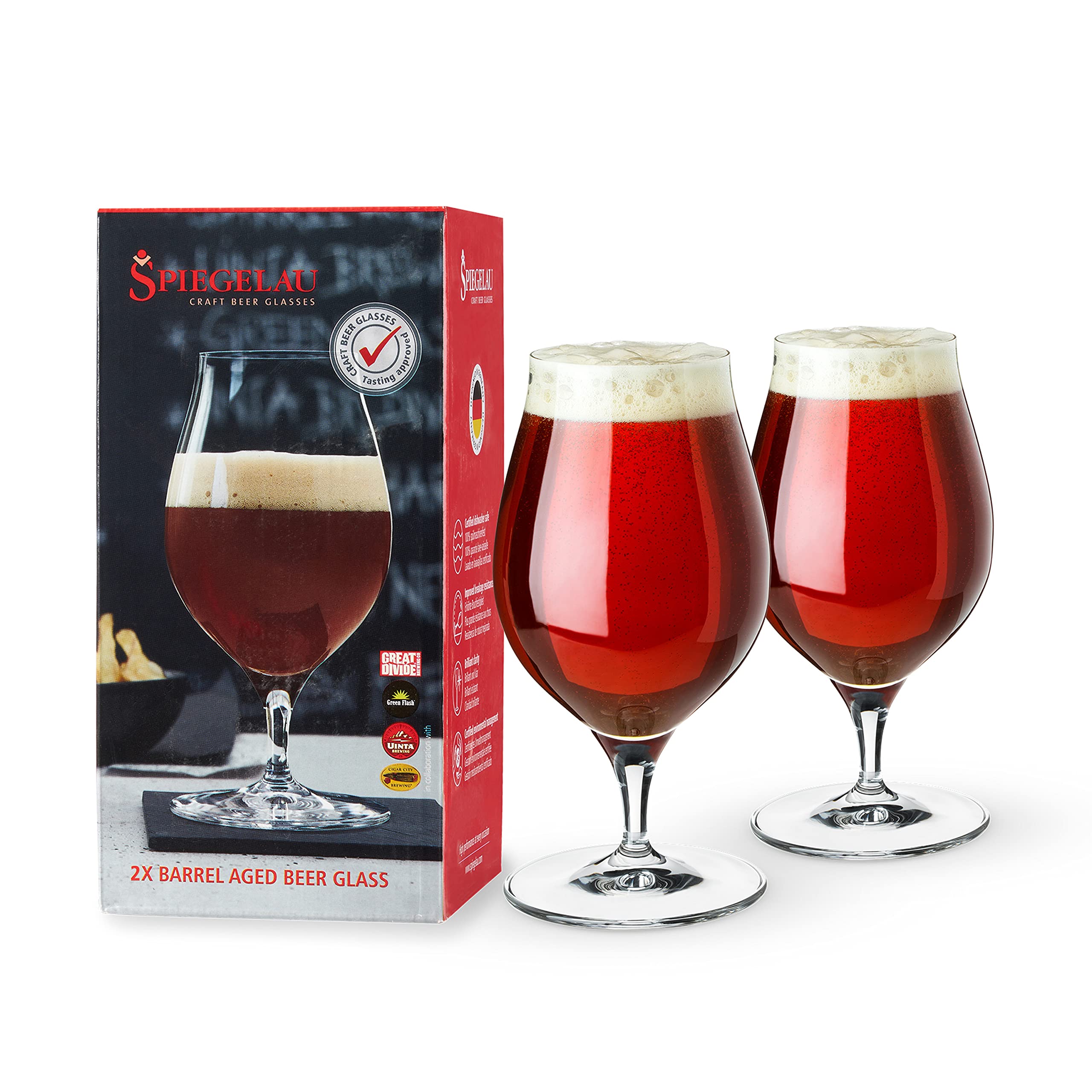
Spiegelau Belgian Beer Glasses (Set of 2)

Learning Curve: Easy

$49.99
Difficulty: 2/5
Spiegelau Belgian Beer Glasses (Set of 2)

Why Great for Beginners:

Specifically designed for Belgian ales with a wide bowl and etched base. This glass is a favorite among craft beer enthusiasts and will last you for years.

Beginner Pros

  • +Excellent for Belgian beers and stouts
  • +Beautiful design
  • +Dishwasher safe

Beginner Cons

  • -Niche shape – less versatile
  • -Pricey for only two
👍 Best for: Beginners who primarily drink Belgian-style beers and want the optimal glass
👎 Not for: Those who want an all-purpose glass

📖 Complete Beginner's Guide to Craft Beer Glasses

Craft beer glasses are designed to deliver beer to your senses optimally. The shape affects aroma concentration, carbonation release, and even how the beer hits your tongue. Beginners don't need a different glass for every beer; a few multi-purpose shapes will serve you well. The tulip glass is excellent: its flared lip and bulbous body capture aromas while maintaining a nice head. The teku (a type of stemmed tulip) is popular among craft enthusiasts for its elegant, aromatic design. For stouts and Belgian ales, a chalice or goblet works. For wheat beers, a weizen glass showcases the yeast and cloudiness. But you can start with just a tulip and a pint glass (nonic or shaker). Avoid plastic or novelty glasses; they affect taste. "Beginner-friendly" means forgiving: easy to hold, clean, and compatible with common beer styles. Marketing terms like "beer sommelier series" just mean specifically designed for certain styles.

🤔 How to Choose Your First Craft Beer Glasses

First, ask: What beers do you drink most? If you love IPAs, a tulip or Spiegelau IPA glass is perfect. If you enjoy stouts, look for a wide-bowled glass like a snifter. For everything, a versatile tulip or teku is best. Next, set a budget: you can get a set of four decent tulips for under $30 (entry-level). For $30-$60, you get better quality, like Schott Zwiesel or Spiegelau (sweet spot). Premium hand-blown crystal (e.g., Riedel) costs $60-$100 per glass. Consider durability: are you clumsy? Go for tempered glass or short stems. And think about storage: stemmed glasses need careful stacking or hanging. Red flags: glasses with seams, rough rims, or that are too small (under 10 oz).

💰 Budget Guide for Beginners

100+

Top-tier – hand-blown, delicate; for those who want the best and are willing to hand wash.

30 - $60

Sweet spot – best value; quality glassware that enhances aroma and is dishwasher safe.

60 - $100

Premium beginner – excellent crystal; you won't need to upgrade for a long time.

Under $ - $30

Entry level – good for trying different shapes; may not last as long.

⚠️ Common Beginner Mistakes to Avoid

Many beginners grab a set of generic pint glasses because they're cheap and common, but those glasses are best for session beers or macros, not craft ales. Another mistake is buying a single 'perfect' glass for one beer style (like a stout glass) only to later realize they prefer IPAs. The biggest error? Not cleaning properly. Residual detergent or grease can kill foam and mute aromas. Instead, rinse glasses with hot water and use a dedicated brush. Avoid abrasive sponges that scratch glass; those scratches become nucleation sites that make beer go flat faster.

  • ×Using standard pint glasses for all beers – misses aroma and head retention.
  • ×Buying a cheap, novelty glass set that chips easily or has seams.
  • ×Choosing overly specialized glasses (like a sour glass) before knowing preferences.
  • ×Ignoring glass cleaning – residual soap kills beer head and flavors.
  • ×Buying expensive crystal without understanding care requirements (hand wash only).
  • ×Not considering stem height or storage space – tall stemmed glasses may not fit shelves.

📈 Your Progression Path: Beginner to Intermediate

Start with a versatile tulip or teku glass. Learn to nose and taste different beers. After a few months, you'll notice how shape affects flavor. Then, add a weizen glass for wheat beers and a snifter for stouts/barleywines. Once you're comfortable, experiment with stemware vs stemless for temperature control. Signs you've outgrown beginner gear: you find yourself wanting specific glasses for specific styles, or you want to host tastings. Upgrade to premium crystal like Riedel or Zalto. Most beginners stay with a set of 2-4 glasses for 6 months to a year before expanding.

🎯 Bottom Line: Our Recommendations

For most beginners, the Spiegelau Craft Beer Tasting Glass set offers the best balance of price, durability, and performance. It's versatile and easy to clean. If you're on a budget, the Libbey tulip set is a solid start. If you want the best experience and have a higher budget, go with Riedel. Don't forget a cleaning brush and drying rack. Remember: the right glass makes every beer taste better. Start simple, enjoy the journey, and you'll soon discover why glassware matters. Cheers!

❓ Frequently Asked Questions

A tulip or teku glass is the most versatile. The Spiegelau Craft Beer Tasting Glass is a top choice for its etched base that enhances aroma.
Start with $30–$60 for a set of 2–4 quality glasses. This gets you durable, dishwasher-safe glasses that improve your tasting experience.
Focus on a versatile shape (tulip), clear glass, comfortable rim, and dishwasher safety. Nucleation etching is a bonus for aroma.
The Libbey tulip set is very simple: dishwasher safe, sturdy, and works for most beers. Just pour and enjoy.
A cleaning brush, lint-free towel, and a drying rack are essential to keep glasses clean and unbroken.
Consider what beers you drink most. For IPAs and ales, get a tulip. For stouts, a snifter. For everything, a tulip works. Buy a set of two or four.
Not at all. Using the right glass is as simple as pouring beer into it. The learning curve is about understanding why shape matters, not about using the glass.
Using pint glasses for all beers, buying cheap novelty sets, and not cleaning glasses properly (residual soap kills foam).
Many are dishwasher safe, but check the product. Hand washing is gentler for crystal. Use a gentle cycle and avoid heat dry.
Eventually, you may want specific glasses, but beginners can start with a good tulip that works for 80% of beers.