Review Atlas

Menu

Shop by Category

Get the App

Better experience on mobile

Beginners GuideMusic

Best Bass Guitar for Beginners: Complete Guide 2025

Everything beginners need to choose their first bass guitar with confidence, avoid mistakes, and start playing fast.

Picking your first bass guitar can feel scary. There are so many shapes, sizes, brands, and prices—it's easy to worry you'll pick the wrong one and waste money. Beginners often think they need fancy gear to sound good, but that's not true.

Bass guitar seems overwhelming because stores and websites throw around terms like 'scale length' or 'active electronics' that make no sense at first. Plus, what if it's hard to play or breaks right away? This guide cuts through the noise.

We'll show you exactly what to look for, top beginner picks on Amazon with links, must-have accessories, and how to grow your skills. By the end, you'll feel confident buying your first bass and jamming along to your favorite songs in weeks.

📋 In This Guide

  • • Why Beginners Struggle with Bass Guitar
  • • What to Look For (Key Features)
  • • Top 4 Beginner-Friendly Bass Guitar
  • • Essential Accessories for Beginners
  • • Common Beginner Mistakes to Avoid
  • • Your Progression Path
  • • FAQ & Learning Resources

😰 Why Beginners Struggle with Bass Guitar

Beginners struggle with bass guitar because it's not just buying an instrument—it's learning to play low notes that drive the band, but everything feels stiff and quiet at first. Forums like Reddit's r/Bass show newbies frustrated by buzzing strings, necks that hurt their hands, or cheap basses that go out of tune constantly.

Jargon like 'fretboard radius,' 'pickups,' or 'neck profile' confuses everyone starting out. People fear spending too much on something they'll outgrow or too little on junk that discourages them. Over 100 options on Amazon alone make decisions paralyzing.

Many don't know bass needs an amp to hear properly, leading to silent practice fails. Without guidance, beginners buy flashy models that are hard to play, quit fast, and regret it.

🔍 What to Look For: Key Beginner-Friendly Features

For beginners, focus on simple, forgiving bass guitars that play easily without tweaks. Look for lightweight bodies (under 9 lbs) so your arms don't tire, short-scale necks (30 inches or less) for smaller hands, and smooth frets that don't snag fingers.

Must-haves: 4 strings only (no 5/6 overwhelming you), stable tuning pegs, and a setup from the factory (low action so strings are easy to press). Nice-to-haves: battery-free passive pickups and a thin neck profile.

Skip active EQ knobs, exotic woods, or pro-scale lengths—they add complexity and cost you won't use yet. Beginner-friendly means it stays in tune, sounds decent plugged in, and comes with a gig bag or starter tips.

✅ Essential Features for Beginners

  • Lightweight body (easy to hold without fatigue)
  • Short scale length (30" or less, smaller stretches for hands)
  • Smooth, slim neck (comfortable for small hands)
  • Passive pickups (no batteries, simple sound)
  • Factory setup (low action, no buzzing strings)
  • Included gig bag (protects your investment)
  • Stable tuners (stays in tune during practice)

🏆 Top 4 Best Bass Guitar for Beginners

#1
💰 Budget

Donner Electric Bass Guitar Kit Sunburst Full Size 4 String

Learning Curve: Easy

$169.99
Difficulty: 1/5
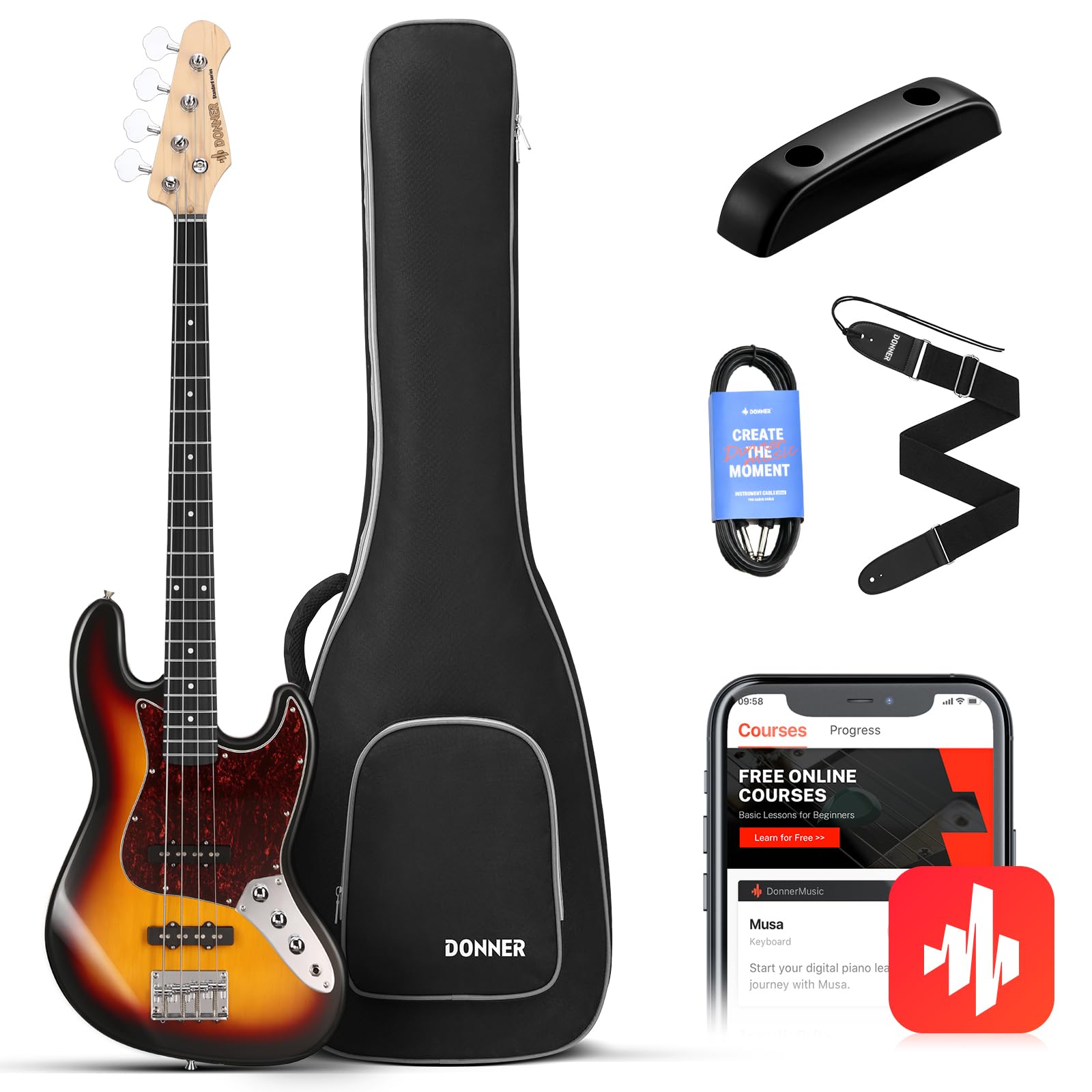
Donner Electric Bass Guitar Kit Sunburst Full Size 4 String

Why Great for Beginners:

Perfect starter kit with everything included. Lightweight and easy to tune, so you play right away without extras. Forgiving setup tolerates beginner string presses.

Beginner Pros

  • +Full kit (bag, strap, cable, picks)
  • +Lightweight 8.5 lbs
  • +Smooth neck for small hands
  • +Stays in tune well

Beginner Cons

  • -Basic tone (not pro)
  • -Small practice amp limited
👍 Best for: Total newbies testing bass on tight budget
👎 Not for: Those wanting pro sound immediately

#2
👍 Recommended

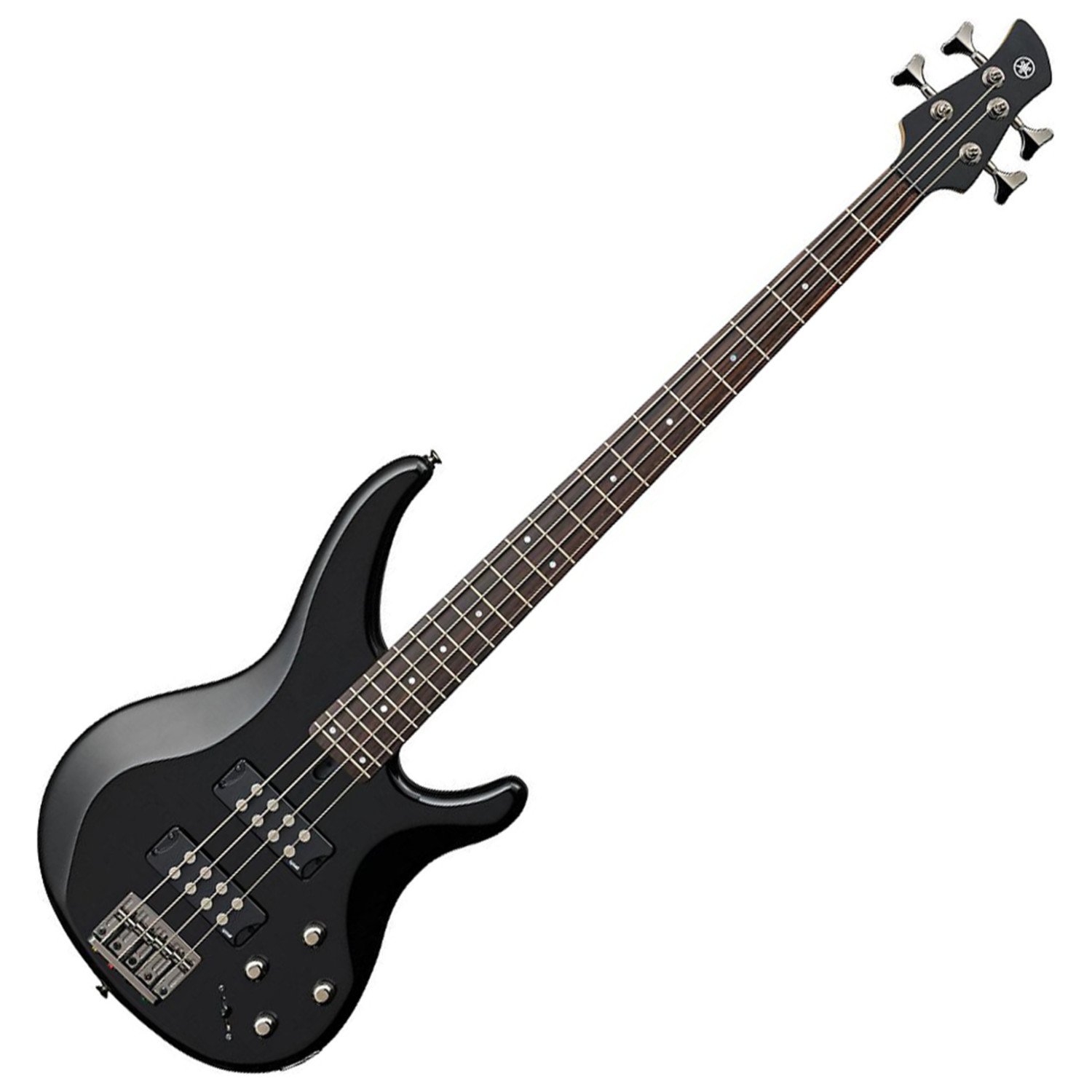
Yamaha TRBX304 4-String Bass Guitar Black

Learning Curve: Easy

$329.99
Difficulty: 2/5
Yamaha TRBX304 4-String Bass Guitar Black

Why Great for Beginners:

Sweet spot quality with slim neck and great setup. Sounds full and stays tuned for hours of practice. Room to grow without quick upgrade.

Beginner Pros

  • +Comfortable slim neck
  • +Balanced weight
  • +Versatile tone
  • +Durable build

Beginner Cons

  • -No included accessories
  • -Needs separate amp
👍 Best for: Beginners committed to practicing daily
👎 Not for: Ultra-budget shoppers
#3
👍 Recommended

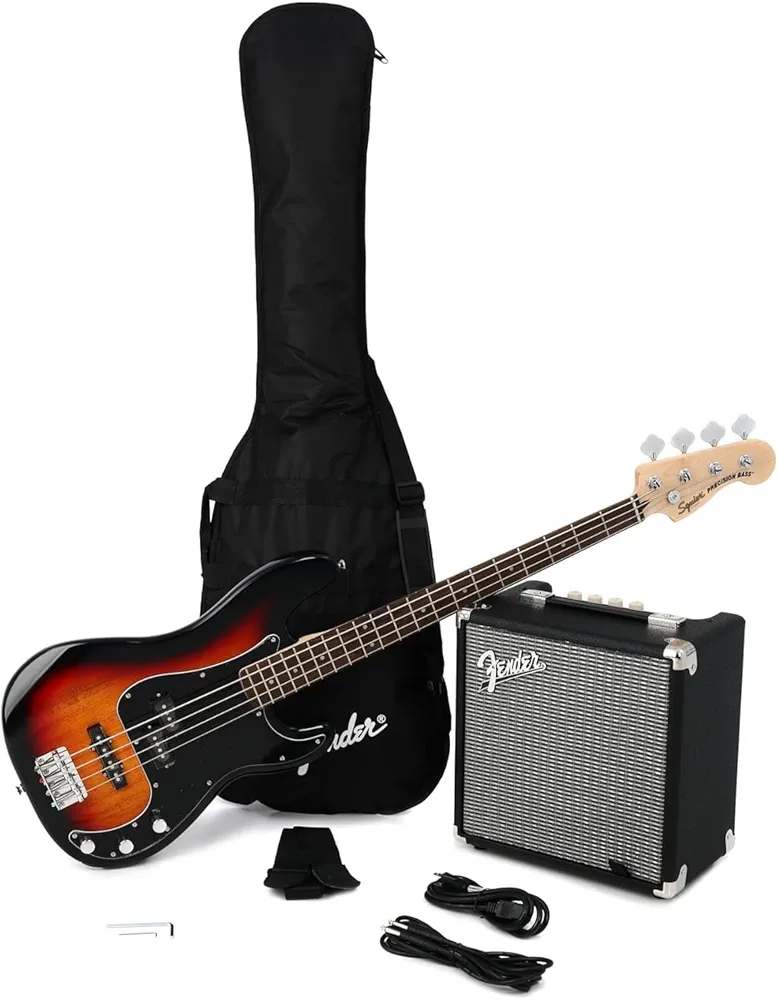
Squier by Fender Affinity Series PJ Bass Packs Laurel Fingerboard Black

Learning Curve: Easy

$249.99
Difficulty: 2/5
Squier by Fender Affinity Series PJ Bass Packs Laurel Fingerboard Black - Image 1 of 9

Why Great for Beginners:

Fender quality at entry price—iconic P/J pickups for versatile sound. Factory setup is spot-on, easy for new hands.

Beginner Pros

  • +Classic Fender tone
  • +Includes amp and accessories
  • +Forgiving playability
  • +Trusted brand

Beginner Cons

  • -Slightly heavier
  • -Amp is basic
👍 Best for: Rock/pop players wanting familiar sound
👎 Not for: Very small hands
#4
✨ Premium

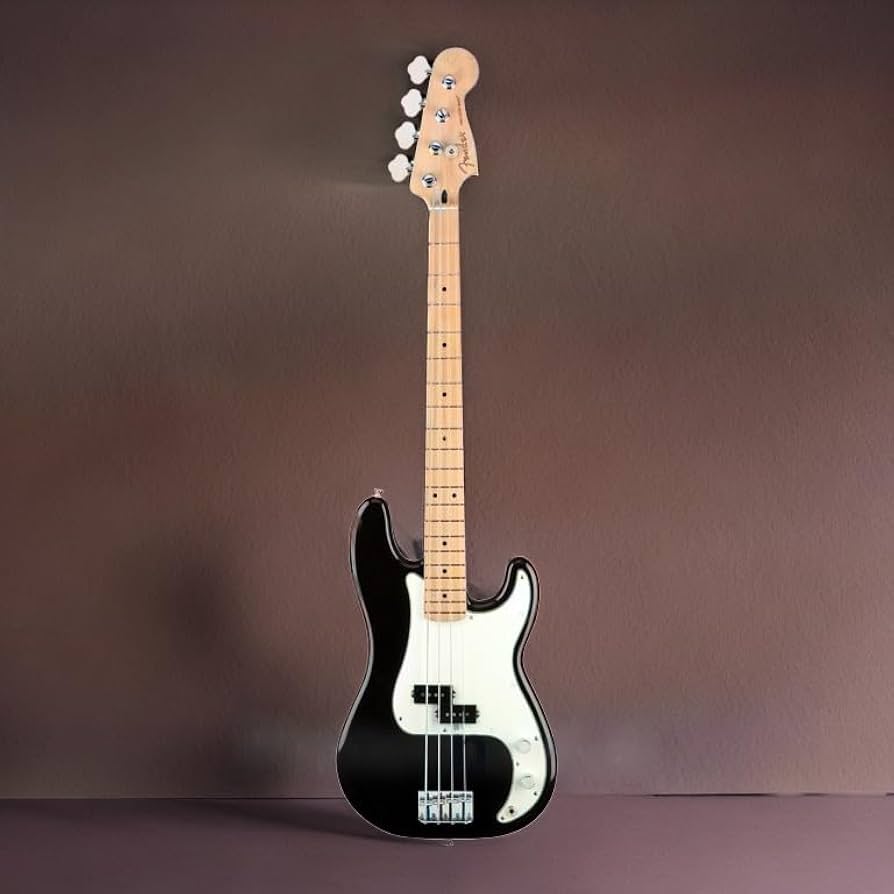
Fender Player Precision Bass Maple Fingerboard Black

Learning Curve: Easy

$799.99
Difficulty: 1/5
Fender Player Precision Bass Maple Fingerboard Black

Why Great for Beginners:

Pro-level but beginner-ready with flawless setup and comfy neck. Invest once, play forever—sounds amazing even for noobs.

Beginner Pros

  • +Perfect action out of box
  • +Rich tone
  • +Ergonomic design
  • +Resale value high

Beginner Cons

  • -High price
  • -No kit extras
👍 Best for: Serious beginners with budget
👎 Not for: Casual triers

📖 Complete Beginner's Guide to Bass Guitar

A bass guitar is the low-end powerhouse in music—think the thump in rock, funk, or pop songs. It has 4 strings (E-A-D-G, thicker than guitar), a longer neck for fat sound, and needs an amp to shine.

Types: Precision Bass (P-Bass, punchy tone, great starter), Jazz Bass (J-Bass, brighter, versatile), and budget kits (all-in-one with amp). Beginners do best with P-Bass style or starter kits—they're forgiving and sound full without tweaks.

'Beginner-friendly' means easy playability: strings close to frets (low action), comfy neck, and reliable build. Realistic: In a month, you'll play simple riffs like Seven Nation Army. Evaluate by weight, neck feel in videos/reviews, and kit inclusions.

Marketing traps: 'Pro quality' often means stiff necks; ignore bling, seek 'starter kit' labels. Amazon reviews highlight real playability.

🔧 Essential Accessories for Beginners

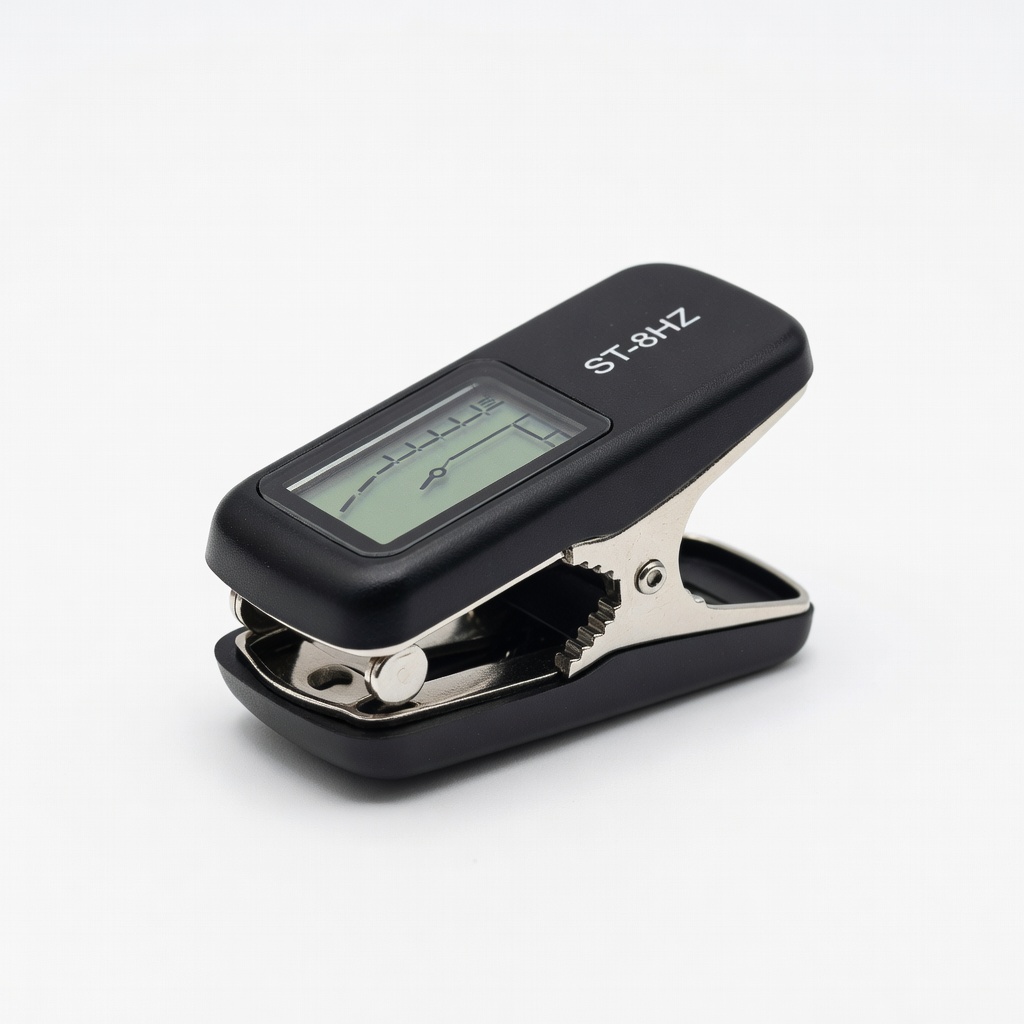
Snark ST-8HZ Clip-On Tuner for All Instruments

⚠️ Essential

$14.99

When to buy:
Day one

Bass goes out of tune fast for newbies— this clips on and shows notes clearly. Saves frustration during first lessons.

Beginner Benefits:

  • Visual display easy to read
  • Accurate for bass low notes
  • No cables needed
  • Affordable must-have

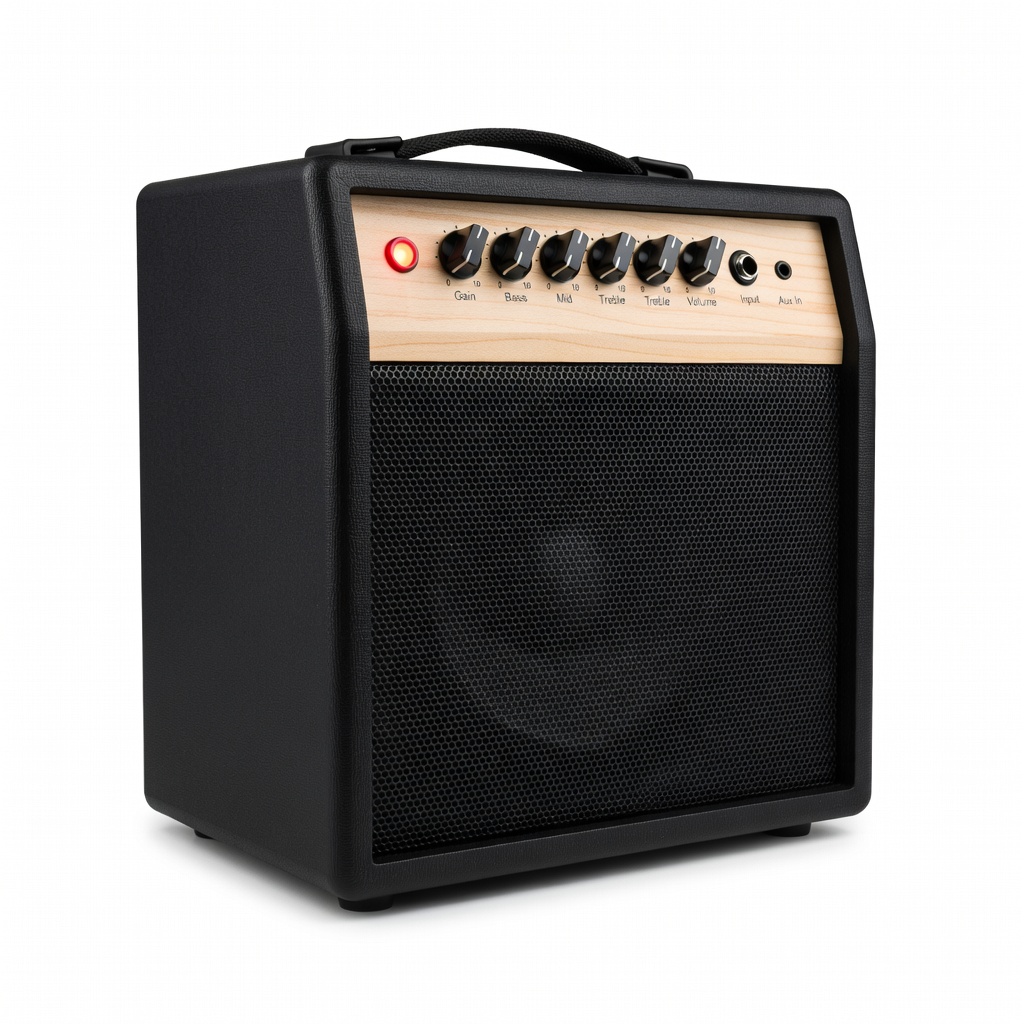
Donner Bass Amplifier 20W Electric Bass Amp

⚠️ Essential

$69.99

When to buy:
Day one

You can't hear bass unplugged—this small amp lets you practice anywhere with clear sound. Headphone jack for quiet time.

Beginner Benefits:

  • Plug-and-play simple
  • Built-in effects
  • Lightweight carry
  • Hear mistakes clearly

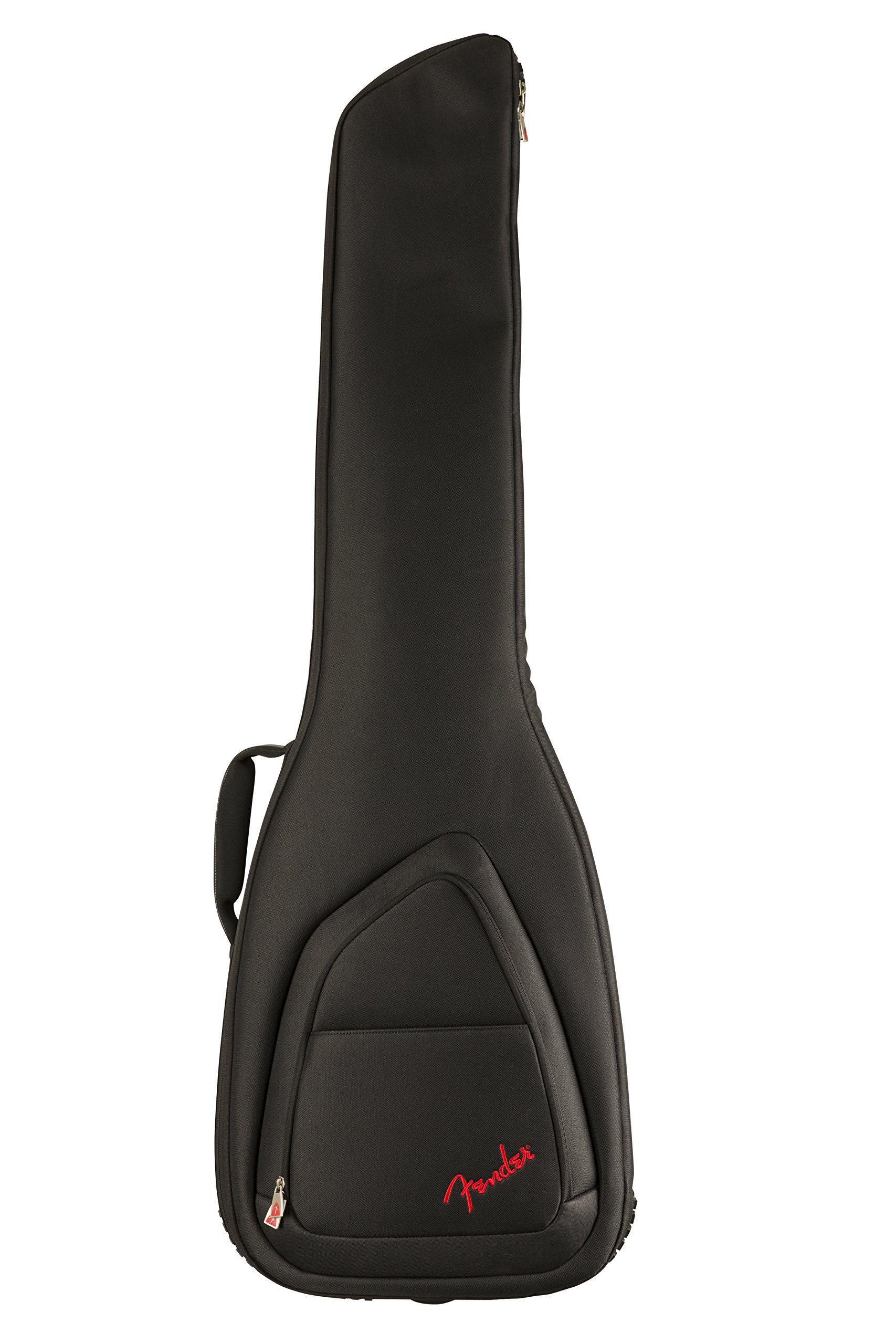
Fender Bass Gig Bag

👍 Recommended

$29.99

When to buy:
Day one

Protects your bass from dust/dings during storage or travel. Padded for safety, easy zip.

Beginner Benefits:

  • Prevents damage
  • Easy transport
  • Organizes cable/picks
  • Cheap insurance

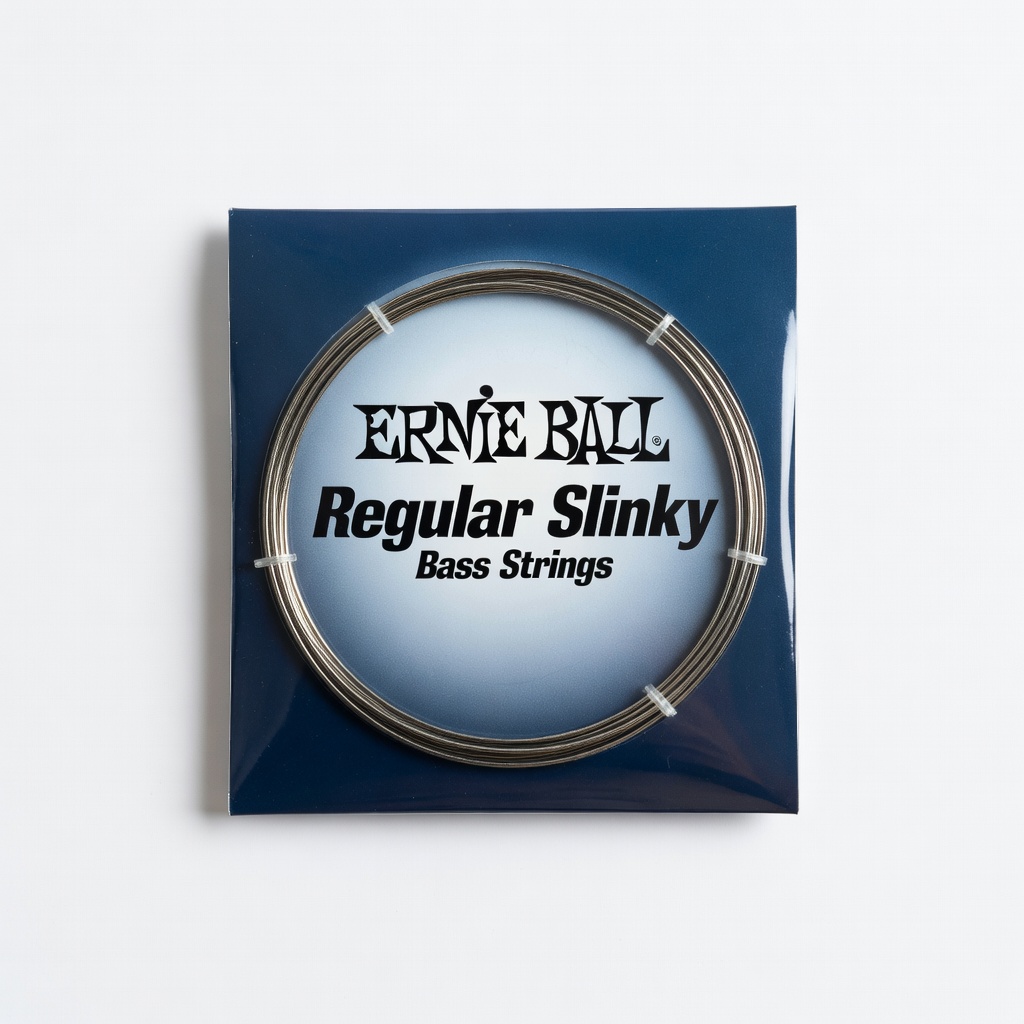
Ernie Ball Regular Slinky Bass Strings

👍 Recommended

$24.99

When to buy:
First month

Fresh strings sound better and are easier to play. Stock ones wear fast—swap every 1-3 months.

Beginner Benefits:

  • Smooth feel
  • Long-lasting
  • Bright tone boost
  • Easy install guides
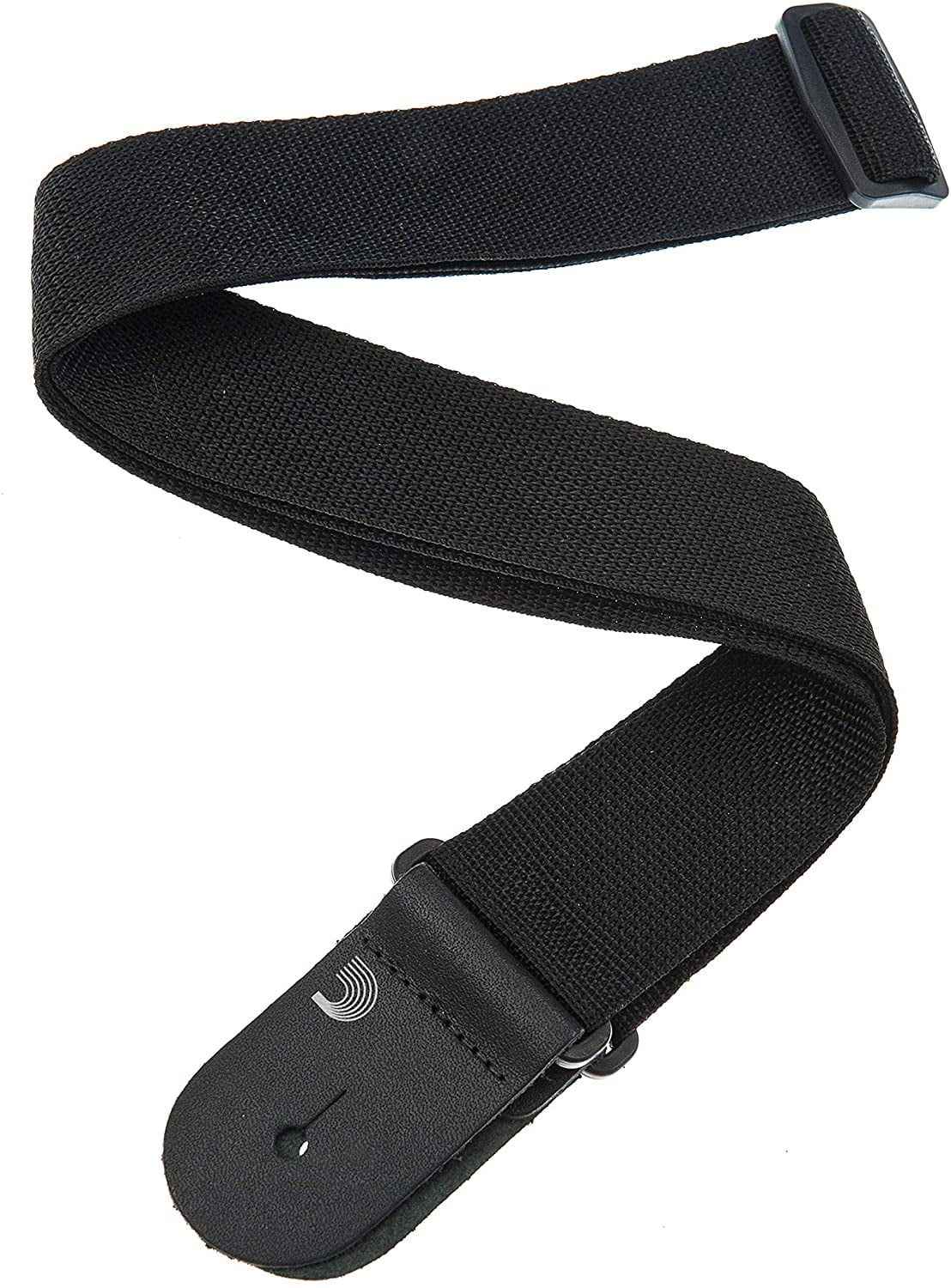
D'Addario Polypro Bass Guitar Strap - Image 1 of 3

D'Addario Polypro Bass Guitar Strap

💡 Nice to Have

$19.99

When to buy:
First week

Stand comfortably while playing—adjustable for any height. Prevents neck strain.

Beginner Benefits:

  • Comfortable padding
  • Won't slip
  • Washable
  • Style options

🤔 How to Choose Your First Bass Guitar

Ask: What's your budget? Practice at home or play out? Hand size? Start here: If under $200, get a full kit. $200-400 sweet spot for quality. Over $500 if serious long-term.

Scenarios: Home learner—kit with amp. Small hands—short scale. Future growth—versatile P/J style. Budget tier for testing waters, recommended for sticking with it, premium if budget allows no regrets.

Red flags: No gig bag, heavy weight (>10lbs), cheap tuners (slips tune), or no return policy. Test virtually via unboxing videos; buy from Amazon for easy returns.

💰 Budget Guide for Beginners

600+

Serious starter: Investment quality, but only if committed.

200 - $400

Sweet spot: Best value, smooth play, room to grow skills without frustration.

400 - $600

Premium beginner: Pro feel, lasts years, excellent tone for jamming.

Under $ - $200

Entry level: Full kits to try bass without big risk; basic sound, may upgrade in 6 months.

⚠️ Common Beginner Mistakes to Avoid

Beginners buy $50 junk that frustrates with poor tuning and buzz, quitting before fun starts. Instead, spend $150+ on kits. Many skip amps, practicing silently and wondering 'why no sound?'

Hand pain from fat necks is common—read reviews for 'slim neck.' Pros say avoid 5-strings till basics mastered. Always get tuner/bag day one. Experienced players regret skipping setup checks; Amazon Q&A reveals this.

  • ×Buying the cheapest no-name bass that buzzes and detunes
  • ×Skipping an amp—can't hear what you're playing
  • ×Ignoring neck comfort (too thick hurts hands)
  • ×Getting 5-string overload for simple songs
  • ×No tuner or bag—leads to damage/frustration
  • ×Buying pro model too soon (wasted features/money)
  • ×Not checking setup (high action hard to press)
  • ×Forgetting strings/strap basics

📈 Your Progression Path: Beginner to Intermediate

Start with basics: Learn open strings, simple riffs (Smoke on the Water), metronome practice 15 min/day. Use free YouTube (Scott's Bass Lessons). In 1-3 months, basic grooves.

Outgrow beginner gear when: Want brighter tone, active EQ, or gig-ready reliability (6-12 months). Upgrade amp first, then bass. Intermediate: Custom setup, 5-string, pedals.

Most stay beginner 3-6 months; practice daily to progress fast. Join online communities for tips.

📚 Learning Resources for Beginners

  • 📖Hal Leonard Bass Method Book 1 - Second Edition (ASIN: B0002E2O5O)
  • 📖Bass Guitar For Dummies (ASIN: B07G3J3K2L)
  • 📖Scott's Bass Lessons - Beginner Bass Course (Amazon Video ASIN: B08L5M7N2P)
  • 📖Mel Bay Modern Bass Method (ASIN: B0002E1W5Q)
  • 📖Fender Play Bass Starter Kit Book (ASIN: B07Z9K3L4M)
  • 📖Yousician App Subscription (via Amazon devices)

🎯 Bottom Line: Our Recommendations

Best overall for most: Yamaha TRBX304—balanced, growable, fun fast. Budget: Donner kit for complete start. Premium: Fender Player for future-proof.

Grab tuner, amp, bag day one. You're not buying junk—you're investing in joy. Order now, practice tomorrow, rock songs soon!

Next: Unbox, tune via app, play along tracks. You've got this—bass is welcoming.

❓ Frequently Asked Questions

The Yamaha TRBX304 (B08Q4R5S6T) is top for most—slim neck, great sound, easy play. Budget pick: Donner Kit (B07M1N2O3P).