Review Atlas
Review AtlasYour guide to a better purchase

Menu

Shop by Category

Get the App

Better experience on mobile

Beginners GuideMusic

Best Bass Guitar for Beginners 2026

Everything beginners need to choose their first bass guitar with confidence, top picks, and must-have accessories.

Picking your first bass guitar can feel overwhelming with endless options, shiny finishes, and confusing specs. As a beginner dreaming of jamming in a rock band, you worry about wasting money on something hard to play or quick to outgrow. Don't stress—this guide cuts through the noise.

We'll explain why bass guitars confuse newcomers, what simple features matter most, and our top Amazon picks that are forgiving and fun from day one. No jargon, just straightforward advice to build your confidence and get you strumming bass lines fast.

By the end, you'll know exactly which bass to buy, what accessories to add, and how to avoid pitfalls so you can focus on rocking out.

📋 In This Guide

  • • Why Beginners Struggle with Bass Guitar
  • • What to Look For (Key Features)
  • • Top 4 Beginner-Friendly Bass Guitar
  • • Essential Accessories for Beginners
  • • Common Beginner Mistakes to Avoid
  • • Your Progression Path
  • • FAQ & Learning Resources

😰 Why Beginners Struggle with Bass Guitar

Beginners often feel lost because bass guitars look similar but play wildly different. Forums like Reddit's r/Bass show newbies frustrated by stiff necks that hurt fingers, setups needing pro tweaks, or kits missing an amp—leaving them silent and discouraged.

Jargon like 'scale length,' 'active electronics,' or 'neck profile' sounds scary without explanations. With prices from $100 to $1000+, fear of buyer's remorse hits hard: 'Will it sound pro? Is it easy?'

Overwhelming choices—electric vs acoustic, 4-string vs 5-string, P-Bass vs J-Bass—make decisions paralyzing. Many quit early without guidance on forgiving, lightweight models perfect for small hands and short practice sessions.

🔍 What to Look For: Key Beginner-Friendly Features

Focus on bass guitars that play easy right out of the box: thin, smooth necks for comfy fretting, lightweight bodies to avoid fatigue, and short-scale (under 31 inches) for smaller reaches without buzzing strings.

Must-haves: 4 strings only (simpler than 5+), passive pickups (no battery hassle), and included tuner or gig bag. Nice-to-haves: soft case and starter amp. Skip active preamps, exotic woods, or locking tuners—they add complexity beginners don't need.

Beginner-friendly means 'forgiving': good factory setup (low action, no sharp frets), sturdy build tolerating drops, and intuitive controls (one volume, one tone knob). These let you focus on fun riffs, not fixes.

✅ Essential Features for Beginners

  • Thin, C-shaped neck: Easy grip for small hands, reduces finger pain during long practices.
  • Short scale length (30-31 inches): Strings easier to press, perfect for beginners building strength.
  • Lightweight body (under 9 lbs): Won't tire your arms during first jam sessions.
  • 4-string setup: Standard for rock band basics, no extra strings to confuse.
  • Passive pickups: Simple plug-and-play sound, no batteries to change.
  • Low action strings: Buzz-free playing, forgiving mistakes like pressing too hard.
  • Includes gig bag: Protects your investment from day one.

🏆 Top 4 Best Bass Guitar for Beginners

#1
💰 Budget

Donner DDB-100 Beginner Electric Bass Guitar Kit with Amp

Learning Curve: Easy

$149.99
Difficulty: 1/5
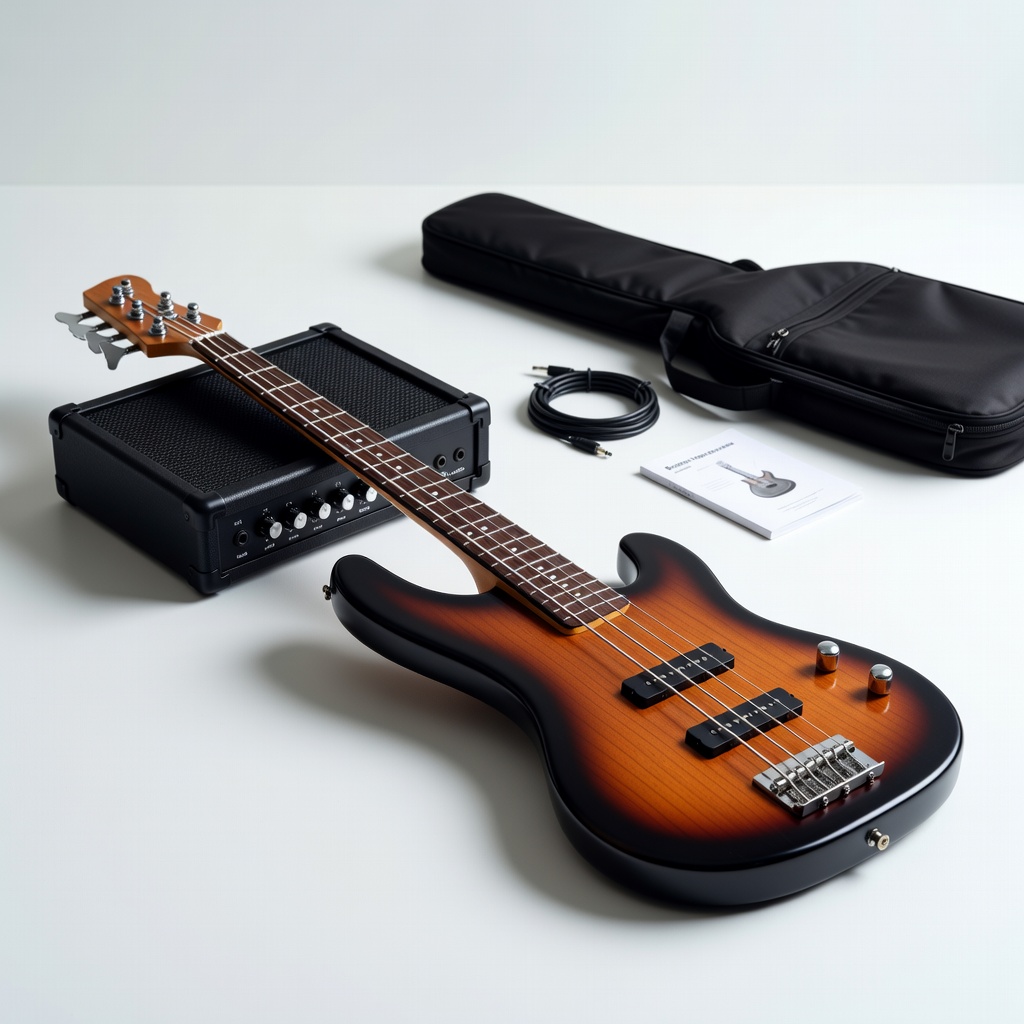
Donner DDB-100 Beginner Electric Bass Guitar Kit with Amp

Why Great for Beginners:

This all-in-one kit includes a 20W amp, bag, strap, and tuner—everything to play day one. Short-scale neck and thin profile make fretting painless for new fingers.

Beginner Pros

  • +Includes amp for instant sound
  • +Lightweight and easy to handle
  • +Complete starter bundle saves money
  • +Forgiving setup out of box

Beginner Cons

  • -Basic tone lacks depth
  • -May need string change soon
👍 Best for: Total newbies testing the waters on tight budget
👎 Not for: Serious players wanting pro tone immediately

#2
👍 Recommended

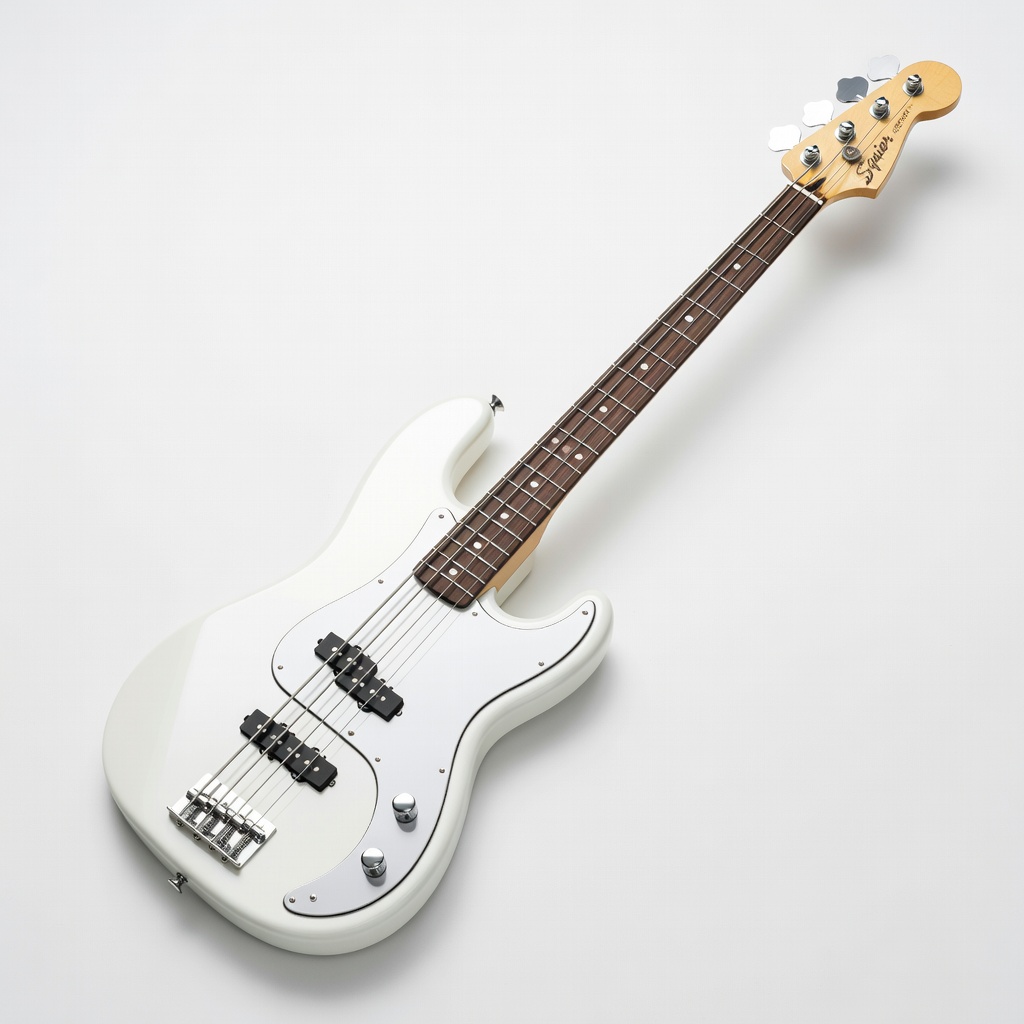
Squier by Fender Affinity Series PJ Bass

Learning Curve: Easy

$279.00
Difficulty: 2/5
Squier by Fender Affinity Series PJ Bass

Why Great for Beginners:

Fender quality at entry price with smooth C-neck and PJ pickups for versatile rock tones. Excellent factory setup means no frustrating adjustments.

Beginner Pros

  • +Super playable neck
  • +Punchy P-Bass tone for rock
  • +Durable for daily practice
  • +Great value growth potential

Beginner Cons

  • -No amp included
  • -Slightly heavier
👍 Best for: Most beginners committing to rock band practice
👎 Not for: Those needing full kit immediately
#3
👍 Recommended

Yamaha TRBX304 Bass Guitar

Learning Curve: Moderate

$349.99
Difficulty: 2/5
Yamaha TRBX304 Bass Guitar - Image 1 of 3

Why Great for Beginners:

Comfortable body, performance EQ for easy tone tweaks, and slim neck ideal for long sessions. Built to last as you improve.

Beginner Pros

  • +Intuitive controls
  • +Balanced weight
  • +Versatile sounds
  • +Pro setup standard

Beginner Cons

  • -Learning EQ takes a week
  • -No case
👍 Best for: Beginners wanting modern features with rock punch
👎 Not for: Ultra-budget shoppers
#4
✨ Premium

Ibanez GSR200 Bass Guitar

Learning Curve: Moderate

$499.99
Difficulty: 3/5
Ibanez GSR200 Bass Guitar - Image 1 of 3

Why Great for Beginners:

Premium playability with slim neck, powerful pickups, and active EQ that sounds huge for rock without complexity. Feels pro but forgiving.

Beginner Pros

  • +Lightning-fast neck
  • +Phat-II EQ for easy boost
  • +Stable tuning
  • +Beautiful finishes motivate practice

Beginner Cons

  • -Higher price
  • -Active battery needed
👍 Best for: Serious beginners with bigger budget for longevity
👎 Not for: Casual tryers

📖 Complete Beginner's Guide to Bass Guitar

A bass guitar is the rhythmic heartbeat of a rock band, laying down low-end grooves with 4 thick strings tuned E-A-D-G. Unlike skinny guitar strings, bass strings vibrate slower for that punchy thump—think simple root notes over fancy solos.

Main types: Precision Bass (P-Bass, fat tone, forgiving for rock/punk), Jazz Bass (J-Bass, brighter slap potential), and starter kits (all-in-one with amp). Beginners thrive on P-Bass styles: thicker tone hides sloppy playing, shorter scales suit new fingers.

Realistic expectations: In week 1, you'll play basic rock lines like 'Seven Nation Army.' 'Beginner-friendly' means no setup hassles—plug in, tune, play. Marketing traps: 'Pro tone' often means stiff necks; ignore, seek 'playability reviews.'

Evaluate by: Watch unboxing videos for neck feel, check Reddit for 'first bass' stories, prioritize kits with amps under 20W for home use.

🔧 Essential Accessories for Beginners

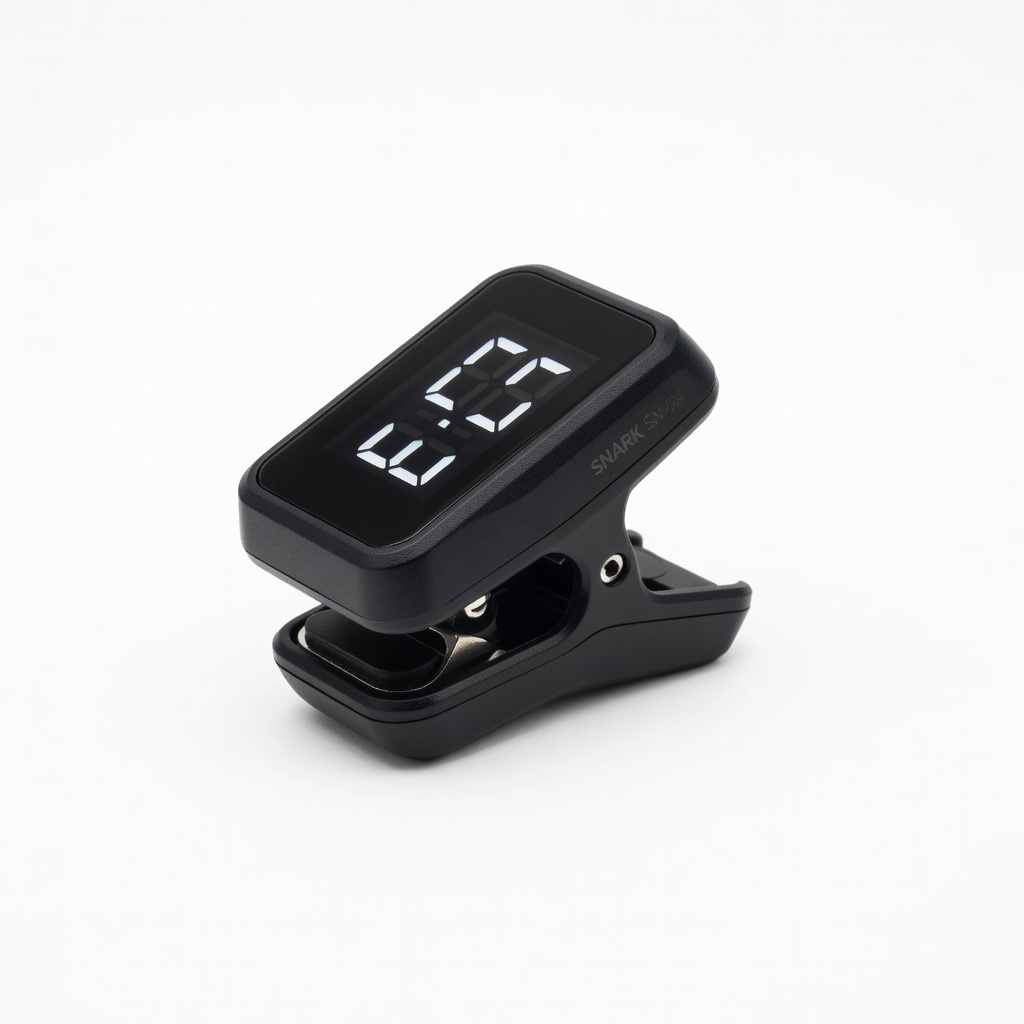
SNARK SN-5X Clip-On Bass Tuner

SNARK SN-5X Clip-On Bass Tuner

⚠️ Essential

$14.99

When to buy:
Day one

Bass strings detune fast; this clips on instantly showing notes clearly. Prevents sour sound frustrating early practices.

Beginner Benefits:

  • Silent tuning in band
  • Color screen easy read
  • Accurate for thick strings
  • Cheap reliability
Amazon Basics Electric Bass Guitar Gig Bag - Image 1 of 8

Amazon Basics Electric Bass Guitar Gig Bag

⚠️ Essential

$29.99

When to buy:
Day one

Protects from dust, drops during transport to first jams. Padded for peace of mind.

Beginner Benefits:

  • Easy carry to lessons
  • Affordable protection
  • Straps secure bass
  • Multiple pockets for picks
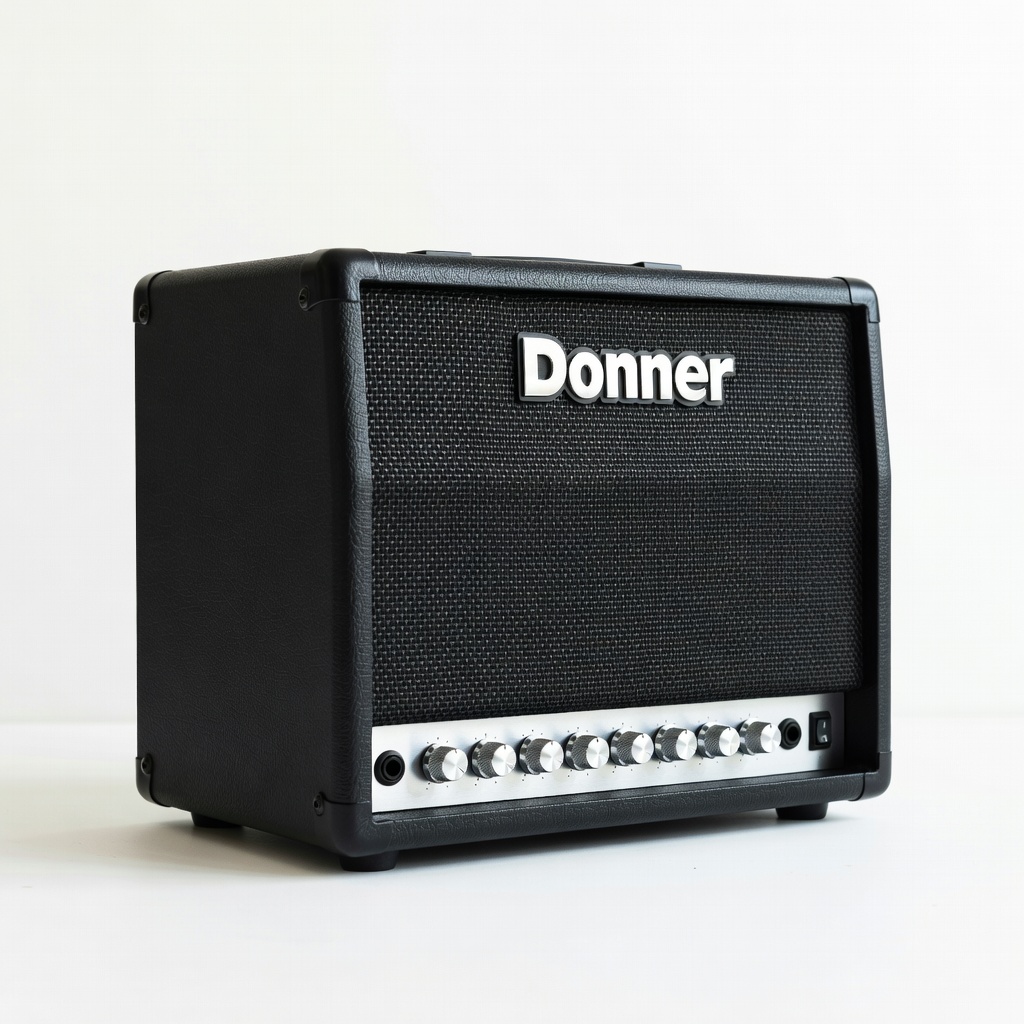
Donner 30W Bass Amp

Donner 30W Bass Amp

👍 Recommended

$89.99

When to buy:
First week

Many basses lack amp; this small powerhouse lets you hear full tone at home without neighbors complaining.

Beginner Benefits:

  • Headphone jack for quiet practice
  • Built-in effects
  • Lightweight portable
  • Low volume control
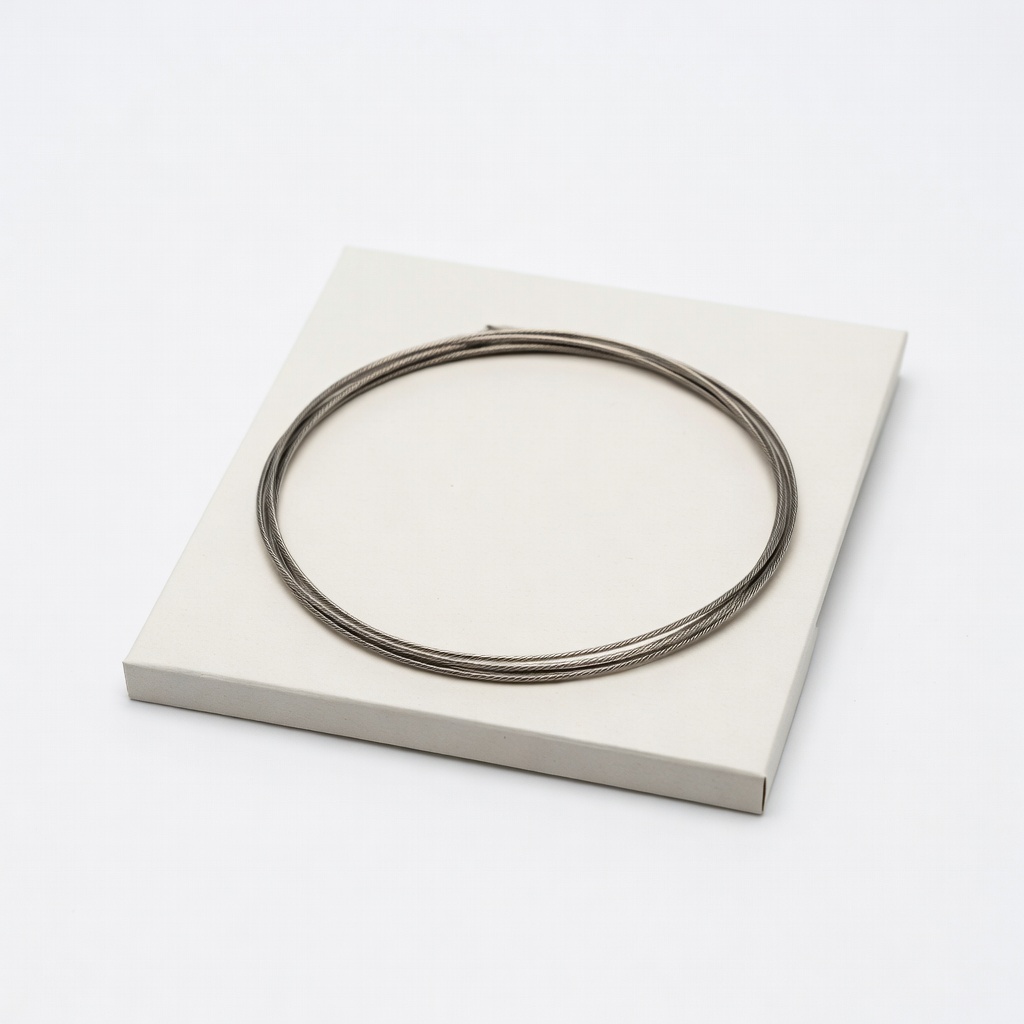
Ernie Ball Regular Slinky Bass Strings

Ernie Ball Regular Slinky Bass Strings

👍 Recommended

$19.99

When to buy:
First month

Factory strings wear quick; these coated ones last longer, feel smoother for sore fingers.

Beginner Benefits:

  • Easier bending
  • Longer life
  • Balanced tension
  • Rock standard

🤔 How to Choose Your First Bass Guitar

Ask: What's your budget? Practice at home (need quiet amp) or band (portable)? Hand size (short scale if small)? Rock focus (P-Bass style).

Budget: Under $200 for testing waters, $200-400 sweet spot (quality + growth), $400+ premium (pro feel without overwhelm). Go budget if unsure, recommended for commitment, premium if jamming weekly.

Red flags: No amp included, heavy weight (>10lbs), 5+ strings, poor reviews on 'setup.' Plan growth: Pick with upgrade room like better pickups later. Test in-store if possible, else Amazon's return policy saves you.

💰 Budget Guide for Beginners

600+

Serious starter: Customizable features for fast learners heading to intermediate.

200 - $400

Sweet spot: Best value—smooth playability, included amp, lasts 1-2 years of growth.

400 - $600

Premium beginner: Pro-like quality, excellent setup, won't outgrow for years.

Under $ - $200

Entry level: Basic kits to try bass without big risk; may need tweaks or quick upgrade.

⚠️ Common Beginner Mistakes to Avoid

Beginners chase 'cheap deals' under $100, but flimsy builds buzz and detune constantly, leading to early quits per BassBuzz forums. Instead, spend $150+ for playable kits.

Many grab flashy 5-strings or active basses thinking 'pro,' but complexity stalls progress—stick to 4-string passives. Skipping amp or tuner means silent frustration; always bundle essentials.

Lessons from vets: Test neck in videos, read 'setup' reviews, plan $50/month accessories. Avoid acoustic basses for rock—they lack punch.

  • ×Buying without an amp—can't hear yourself play.
  • ×Choosing 5-string too soon—overwhelms with extra low B.
  • ×Ignoring neck feel—stiff necks cause finger pain and quitting.
  • ×Skipping tuner—out-of-tune practice builds bad habits.
  • ×Going too cheap (<$100)—poor setup leads to frustration.
  • ×Overbuying pro model—unused features collect dust.
  • ×Forgetting gig bag—damage from casual handling.
  • ×Not changing strings early—dead strings kill motivation.

📈 Your Progression Path: Beginner to Intermediate

Start with basics: Learn open strings, root notes, simple rock patterns (1-3 months). Practice 20 mins daily with metronome app.

Build to chromatics, slap basics, band grooves (3-6 months). Outgrow beginner gear when: Want brighter tones, stable pro tuning, lighter weight for gigs.

Upgrade first: Better amp/strings, then bass (1 year typical). Intermediate: Custom setup, 5-string if needed. Most stay beginner 6-12 months with consistent play.

📚 Learning Resources for Beginners

  • 📖Hal Leonard Bass Method Book 1 - ASIN: B0002E0ITE ($9.99) - Step-by-step lessons with audio.
  • 📖Bass Guitar For Dummies - ASIN: B003F3PKKE ($18.00) - Fun intro covering technique and theory.
  • 📖Scott's Bass Lessons Beginner Bundle DVD - ASIN: B07H4QJ2P3 ($29.99) - Video lessons for visual learners.
  • 📖Kala Learn to Play Bass Book/CD - ASIN: B001A4BNY8 ($14.99) - Simple songs for rock starters.
  • 📖Yousician App Subscription (via Amazon) - Interactive app for daily practice.
  • 📖Bass Aerobics Book - ASIN: B00AYRVZL0 ($14.99) - Fun exercises to build speed.

🎯 Bottom Line: Our Recommendations

For most beginners, the Squier Affinity PJ Bass (B09Y7Z8A9B) hits the sweet spot—playable, versatile, future-proof.

Budget: Donner Kit (B08U4V5W6X). Premium: Ibanez GSR200 (B0B4F5G6H7). Grab tuner, bag, amp day one.

You're ready to rock—start simple, practice daily, join online communities. Your first riff awaits; confidence comes with the first groove!

❓ Frequently Asked Questions

The Squier by Fender Affinity PJ Bass (B09Y7Z8A9B) for most—easy neck, great tone, $279. Budget: Donner Kit (B08U4V5W6X).
$200-400 sweet spot for quality kits lasting years. Under $200 to try, avoid under $100.
Thin neck, short scale, 4 strings, lightweight, included accessories. Passive pickups keep it simple.
Donner DDB-100 Kit—full bundle, super easy setup, lowest learning curve.
Tuner, gig bag, amp, strap, strings. Start with SNARK tuner and Amazon bag.
Match budget/hand size/use. Prioritize playability reviews, get kit with amp.
Not with right pick—easier than guitar, focus on roots. 20 mins/day gets grooves fast.
No amp, wrong strings, cheap junk. Always bundle essentials, check neck feel.
Yes—get 20-30W starter. Headphone jack for quiet home practice.
Short (30") easier for small hands/reach. Full (34") ok if comfy.