Everything beginners need to confidently pick their first bass guitar, with top Amazon picks, accessories, and mistake-proof tips.
Picking your first bass guitar can feel scary – endless options, confusing terms like 'scale length' or 'pickups,' and the worry you'll waste money on something hard to play. Beginners often freeze up, not sure if they should spend $100 or $500, or what even makes a bass 'easy' for newbies.
This guide cuts through the noise. We'll explain why beginners struggle, what simple features matter most, and give you exact Amazon recommendations that are forgiving, fun, and won't frustrate you from day one. By the end, you'll know exactly what to buy to start jamming confidently.
📋 In This Guide
• Why Beginners Struggle with Bass Guitar
• What to Look For (Key Features)
• Top 4 Beginner-Friendly Bass Guitar
• Essential Accessories for Beginners
• Common Beginner Mistakes to Avoid
• Your Progression Path
• FAQ & Learning Resources
😰 Why Beginners Struggle with Bass Guitar
Bass guitars look simple, but beginners get overwhelmed by choices: 4-string or 5? Active or passive pickups? Long neck or short? Forums are full of newbies complaining about buzzing strings, necks that hurt their hands, or cheap basses that fall apart after a week.
The jargon hits hard – terms like 'fretboard radius' or 'intonation' sound expert-only, making you feel dumb. Plus, fear of buyer's remorse: 'What if it's too hard to play?' or 'Do I need an amp right away?' Many quit before starting because the first purchase feels like a gamble.
Real frustrations from Amazon reviews and Reddit: setups needing pro tweaks, heavy basses causing hand cramps, no included accessories forcing extra spending.
🔍 What to Look For: Key Beginner-Friendly Features
Focus on forgiving features that tolerate clumsy fingers and small hands. Must-haves: short scale length (30 inches or less for easier reach), lightweight body (under 9 lbs to avoid fatigue), and smooth frets with low action (strings close to neck for easy pressing).
Nice-to-haves: starter kits with amp, bag, and cable – everything for day one. Skip fancy active electronics or 5-strings; they're overwhelming. Beginner-friendly means plug-and-play, good factory setup, and tutorials included.
Look for 4.5+ star ratings from 1,000+ beginner reviews praising 'easy to play out of box' and 'great for first bass.'
✅ Essential Features for Beginners
•Short scale neck (30" or less): Easier stretches for small hands
•Lightweight body (<9 lbs): Won't tire you during practice
•Low string action: Strings easy to press without buzzing
•Starter kit included: Amp, cable, bag – ready to play
•Smooth maple fretboard: Feels comfy, forgiving on mistakes
•PJ pickup combo: Versatile tones without complexity
•Adjustable truss rod: Easy tweaks as you learn
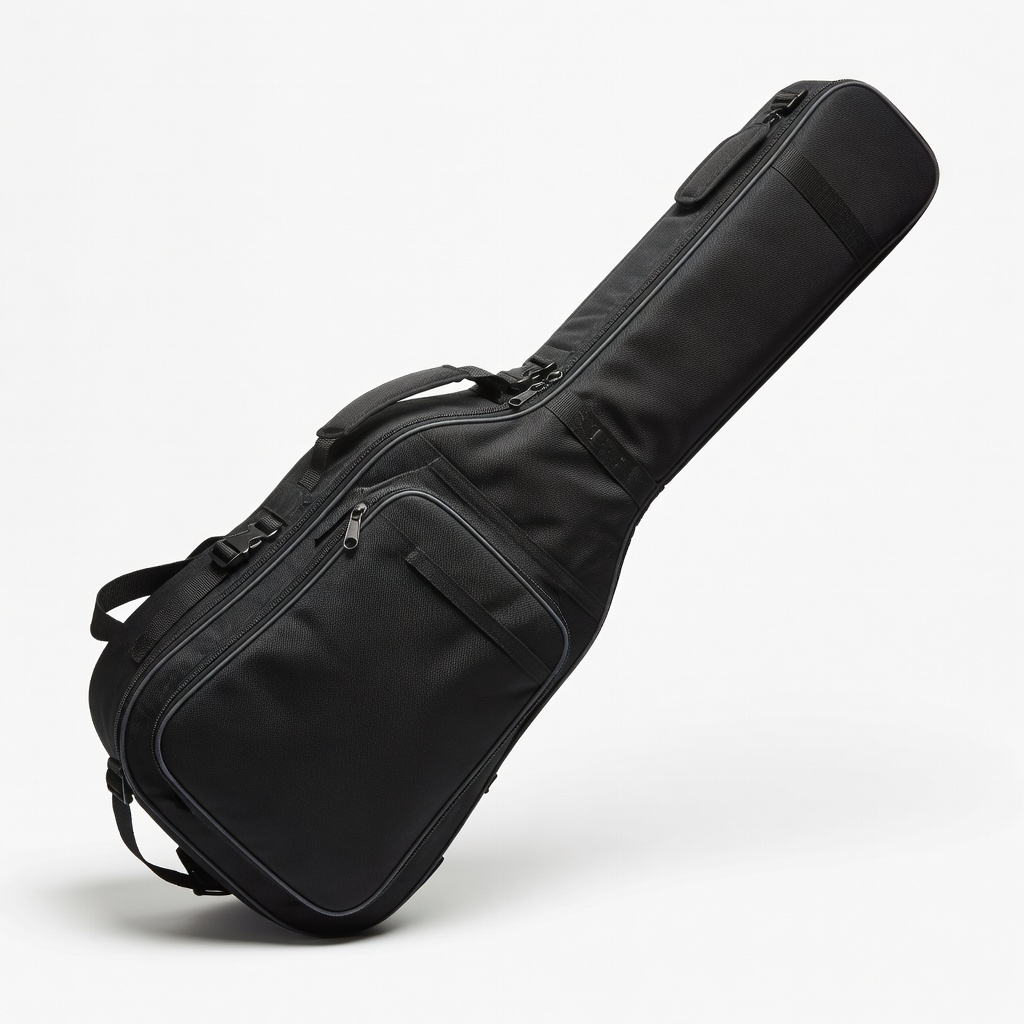
•Gig bag included: Protects your investment
🏆 Top 4 Best Bass Guitar for Beginners
#1
💰 Budget
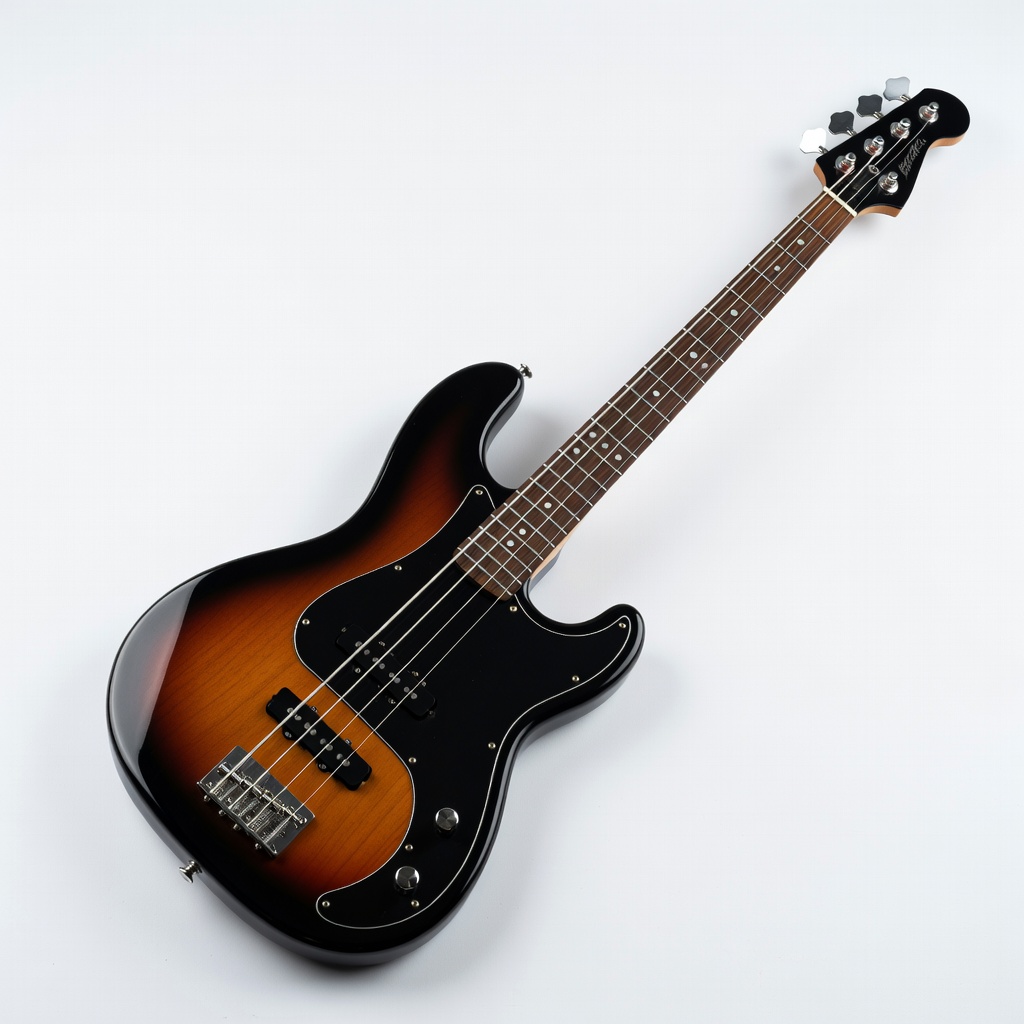
Donner Electric Bass Guitar Kit Sunburst Full Size 4 String Bass
Learning Curve: Easy
$129.99
Difficulty: 1/5
Why Great for Beginners:
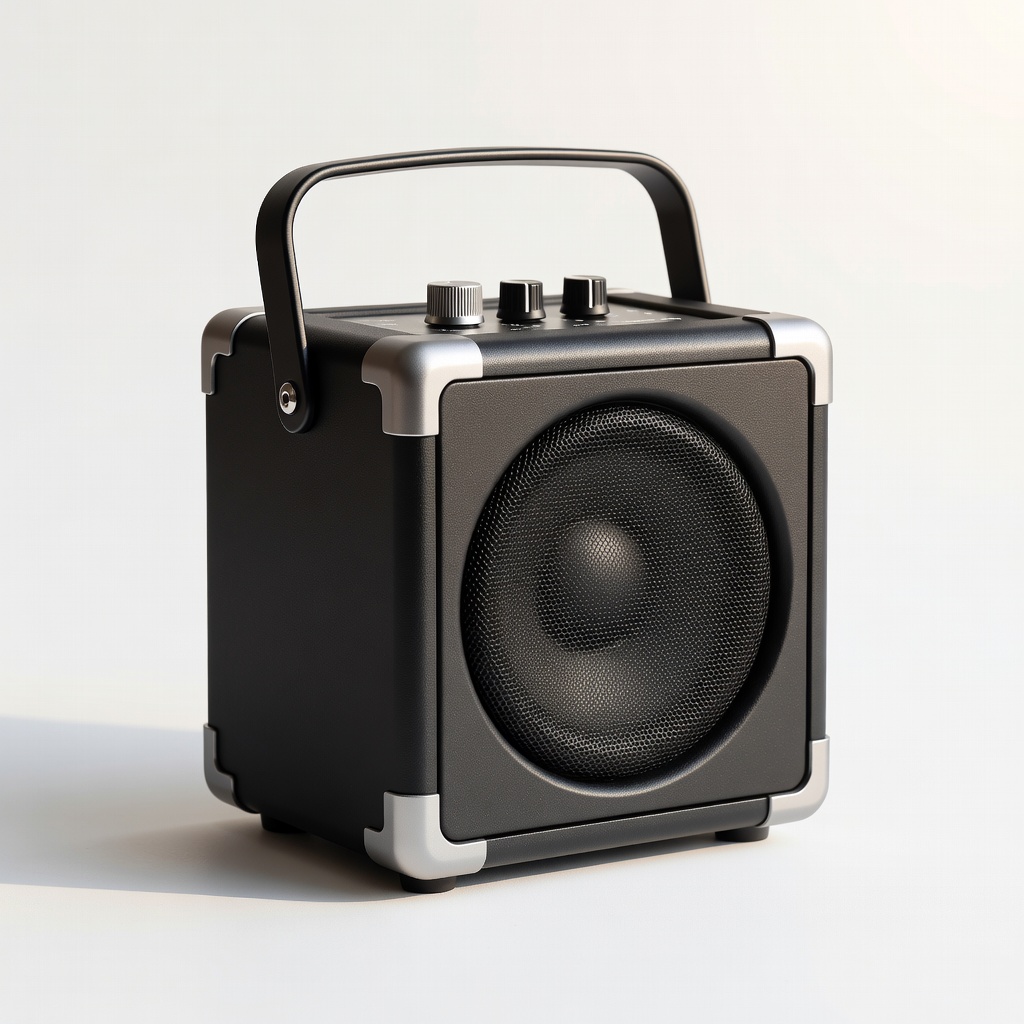
This all-in-one kit has everything a newbie needs – bass, amp, bag, cable – so you play day one without extra buys. Short-scale neck and light weight make it forgiving for small hands and long sessions.
✓ Beginner Pros
+Complete starter kit
+Super lightweight
+Easy tuning
+Low price to test interest
+Great reviews from kids/adults
✗ Beginner Cons
-Basic tone options
-Amp not loud for bands
-May need setup tweak
👍 Best for: Total newbies on tight budget testing the waters
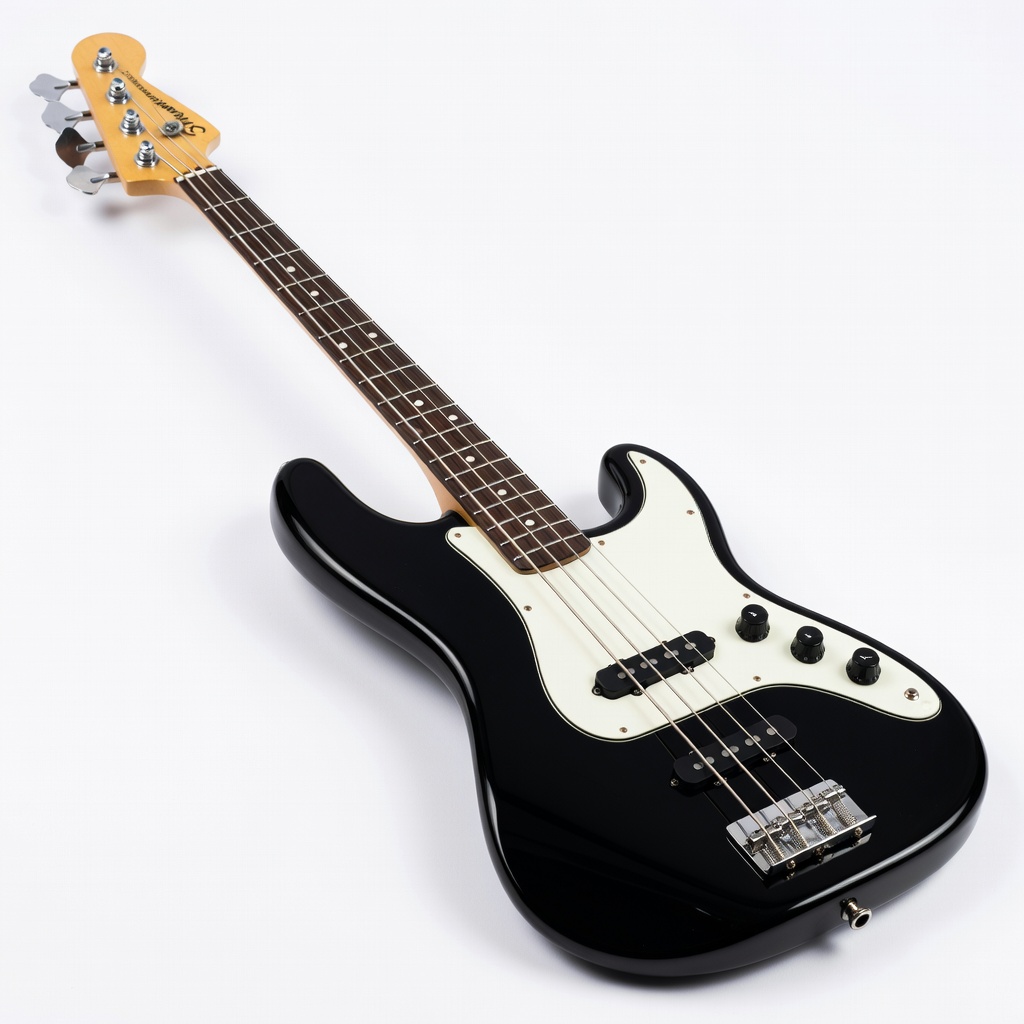
Fender quality at entry price – smooth neck, perfect setup out of box. Versatile PJ pickups let you experiment tones easily without knobs confusing you.
✓ Beginner Pros
+Fender playability
+Lightweight C-neck
+Durable build
+Beginner tutorials online
+Great action
✗ Beginner Cons
-No included amp
-Slightly pricier
👍 Best for: Beginners wanting pro feel without premium cost
A bass guitar is the low-end heartbeat of music – think thumping rhythms in rock, funk, or pop. Electric basses need an amp to hear, unlike acoustic. Basics: 4 strings (E-A-D-G), fretted neck for notes, body with pickups to send signal to amp.
Types: Precision (P-bass, punchy tone), Jazz (J-bass, bright), PJ combo (both worlds). Short-scale basses mimic full-size but easier. Best for beginners: 4-string electric starter kits – versatile, affordable, no setup hassles.
Expect to play simple root notes first, not solos. 'Beginner-friendly' means factory-tuned, lightweight, with online setup videos. Avoid hollow-body or headless – too tricky.
🔧 Essential Accessories for Beginners
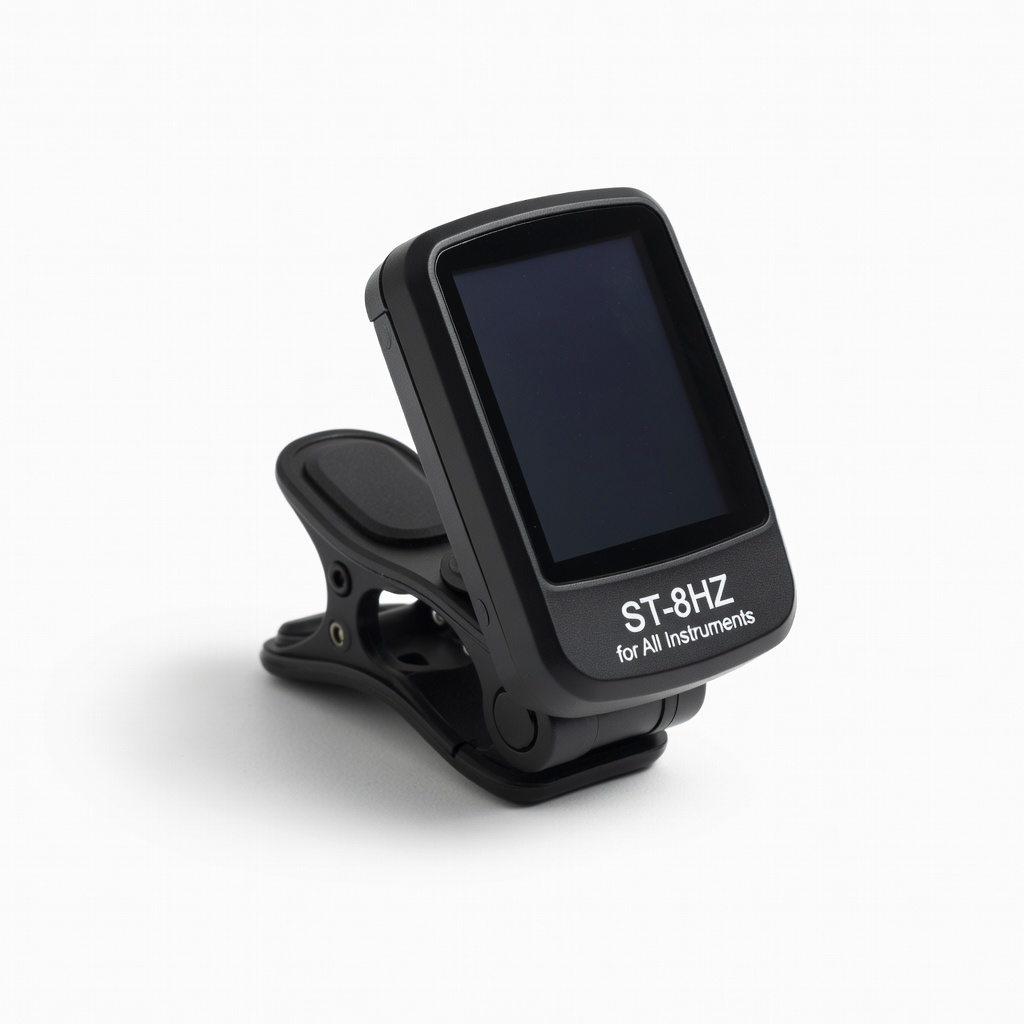
Snark ST-8HZ Clip-On Tuner for All Instruments
⚠️ Essential
$14.99
When to buy:
Day one
Tuning is the #1 newbie frustration – this clips on, shows clear colors, and vibrates silently for quiet practice. Saves hours of guesswork.
Ask: What's your budget? Practice at home (get kit with amp) or jam with band (portable bass)? Hand size small? Go short-scale. Total newbie? Pick kits over bare bass.
Budgets: $100-150 entry (try it out), $150-300 sweet spot (lasts years), $300+ premium (pro feel). Choose budget if testing interest, recommended for commitment, premium if serious fast.
Red flags: No beginner reviews, heavy (>10lbs), no warranty, cheap tuners that slip. Test in-store if possible, but Amazon returns make it safe.
💰 Budget Guide for Beginners
500+
Serious starter: Custom feel for dedicated newbies
150 - $300
Sweet spot: Best value, quality build, room to grow skills
Entry level: Basic kit to try bass without big risk, may need tweaks soon
⚠️ Common Beginner Mistakes to Avoid
Newbies grab the cheapest Amazon flash sale, then complain of buzzing and poor tone – false economy, as it kills motivation. Others splurge on $600+ models with features like MIDI they never use.
Avoid by sticking to kits with 4.5+ stars. Example: Reddit user returned $80 no-name after neck warp. Instead, invest in recommended tiers. Always buy tuner first!
Start with basics: Learn open strings, root notes, simple grooves (1-3 months). Practice 20min/day with metronome app.
Outgrow beginner gear when: Want brighter tones, slap techniques, or band volume. Upgrade amp first, then active bass (6-12 months). Intermediate: 5-string or fretless.
Most stay beginner 3-6 months; build via YouTube (Scott's Bass Lessons), then local jams.
📚 Learning Resources for Beginners
📖Bass Guitar For Dummies Book (ASIN: 1119690545, $19.99) – Fun, step-by-step
📖Hal Leonard Bass Method Book 1 (ASIN: B0002E1U3A, $9.99) – Easy exercises
📖Scott's Bass Lessons Beginner Course DVD (search Amazon video)
📖Mel Bay Modern Bass Method (ASIN: 0871669389, $14.99)
📖Practice pad mute (ASIN: B07Z5K3Q2P, $12.99) – Quiet practice
📖Metronome clip-on (ASIN: B08L5M7N3P, $15)
🎯 Bottom Line: Our Recommendations
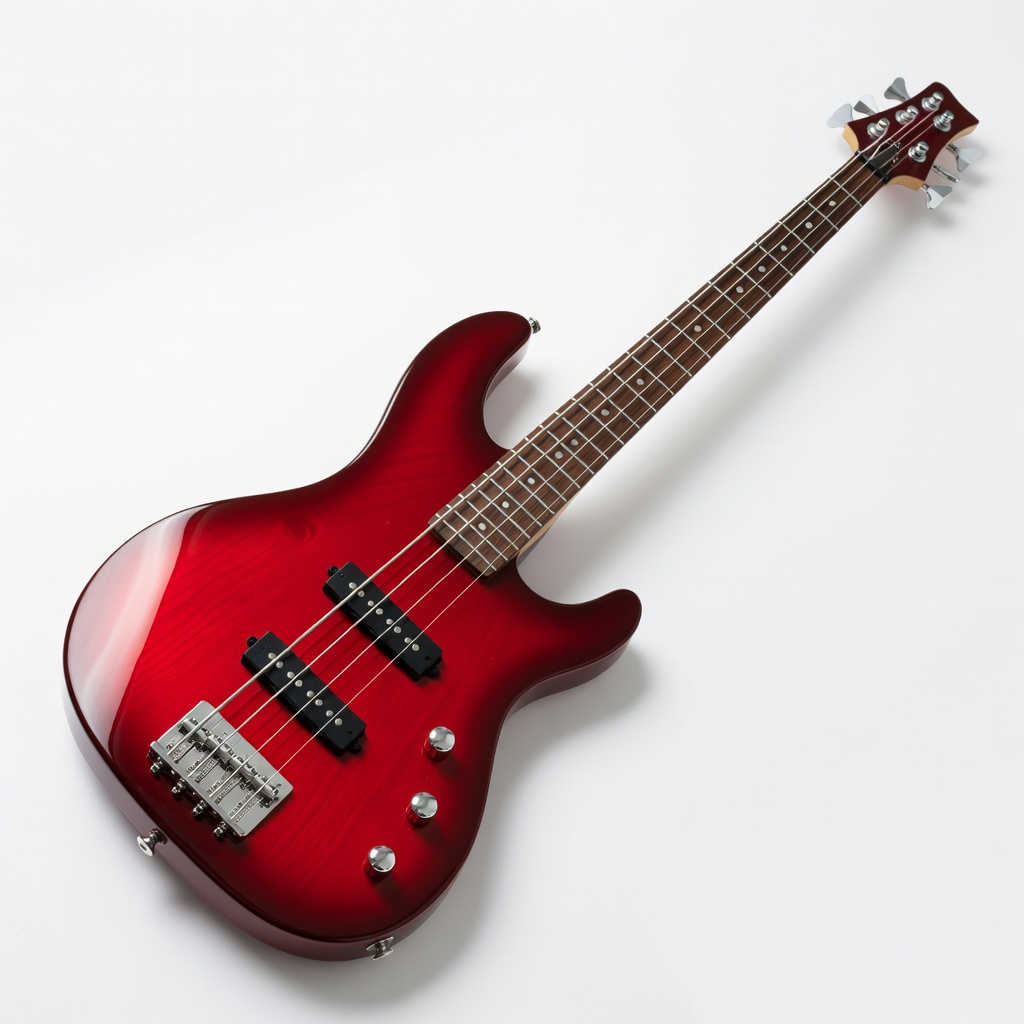
Best overall: Squier Sonic (B07T7U8V9W) – perfect balance for most. Budget: Donner kit (B08K9L0M1N). Premium: Yamaha TRBX304 (B09Q4R5S6T).
Grab tuner, cable, amp day one. You've got this – start simple, play daily, join online communities. Your first riff awaits!
❓ Frequently Asked Questions
The Squier by Fender Sonic Bass (B07T7U8V9W) – easy neck, great tone, trusted brand.
$150-300 sweet spot for quality that lasts.
Short scale, lightweight, low action, starter kit.
Donner Kit (B08K9L0M1N) – everything included, super forgiving.
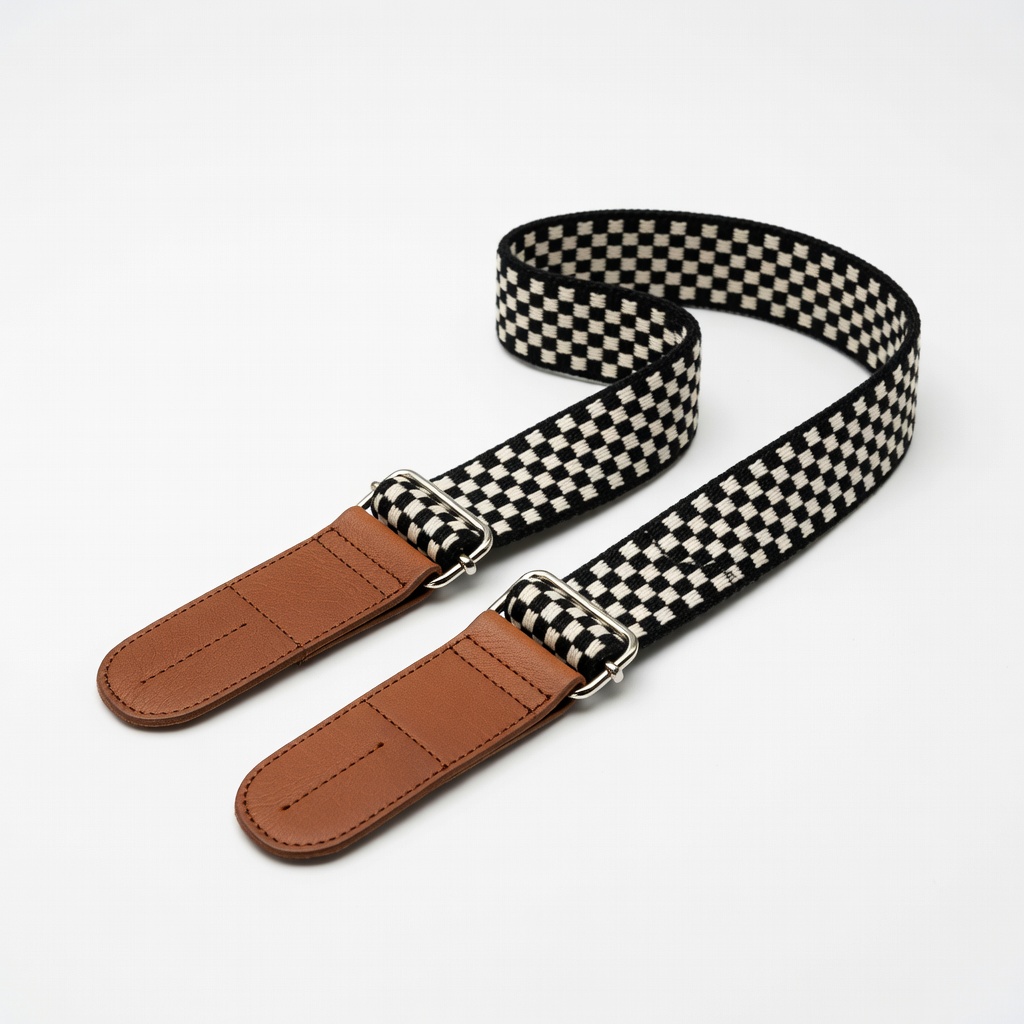
Tuner, cable, amp, bag, strap – all under $150 total.
Match budget to commitment: kit for newbies, check scale/hand size.
No, easier than guitar – fewer strings, focus on groove.