Is Best Baseball Glove for beginners Worth It? Honest Review (20…
Everything beginners need to know to choose their first baseball glove with confidence.
Choosing your first baseball glove can feel overwhelming. With so many brands, sizes, and materials, it's easy to get confused. But don't worry – this guide is here to help. We'll break down everything you need to know in simple, jargon-free language, so you can pick the perfect glove for your child and get them started on the right foot. By the end, you'll feel confident and ready to make a smart purchase.
📋 In This Guide
• Why Beginners Struggle with Baseball Glove
• What to Look For (Key Features)
• Top 4 Beginner-Friendly Baseball Glove
• Essential Accessories for Beginners
• Common Beginner Mistakes to Avoid
• Your Progression Path
• FAQ & Learning Resources
😰 Why Beginners Struggle with Baseball Glove
Many beginners feel lost because of the technical terms – 'web styles', 'palm padding', 'leather grades' – and the huge range of prices. Parents often worry about buying a glove that's too stiff for a young child or too small for a growing player. The fear of wasting money on the wrong glove is real. Plus, kids grow fast, so finding something that fits now but can last a season or two is tricky. This guide will cut through the confusion and give you clear, actionable advice.
🔍 What to Look For: Key Beginner-Friendly Features
For a young beginner, the most important thing is a glove that is easy to open and close – a 'broken-in' feel out of the box. Look for a glove with a flexible palm and a shallow pocket (for small hands). Synthetic leather or soft cowhide is best because it doesn't require hours of conditioning. A glove that is too stiff will frustrate a child and hurt their hand. Also, make sure the size matches the child's age and position. For most youth beginners, an 11- to 11.5-inch infield glove is perfect.
✅ Essential Features for Beginners
•Pre-broken-in feel – glove is soft and flexible right out of the box
•Synthetic or soft leather – lightweight and easy to close
•11-11.5 inch size – perfect for youth beginners
•Open back with Velcro strap – adjustable and secure fit
•Shallow pocket – helps small hands trap the ball
•Durable stitching – lasts through the learning process
🏆 Top 4 Best Baseball Glove for Beginners
#1
💰 Budget
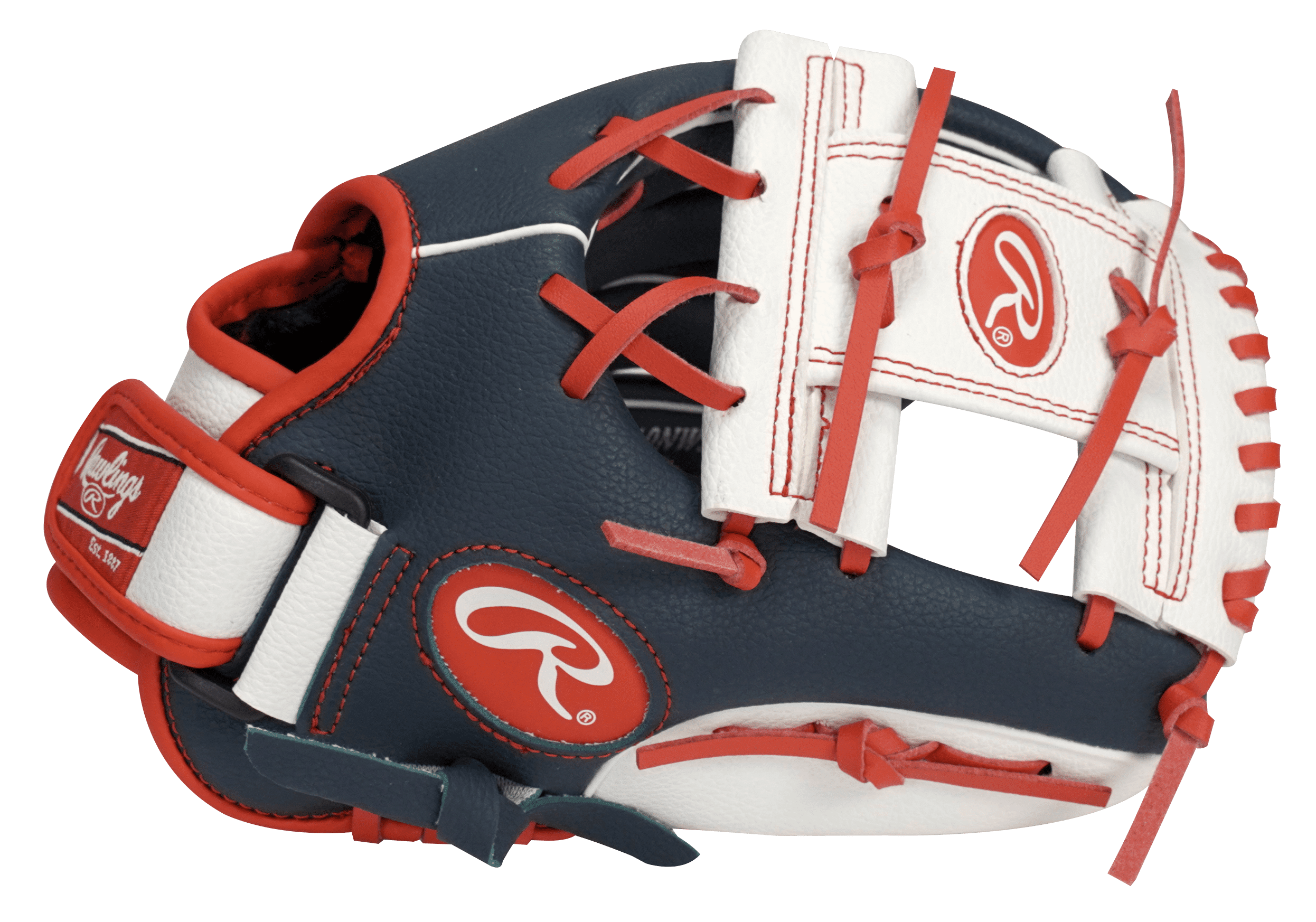
Rawlings Player Series Youth Baseball Glove
Learning Curve: Easy
$29.99
Difficulty: 1/5
Why Great for Beginners:
This glove is made from soft synthetic leather so it's flexible right out of the box. It has a shallow pocket perfect for young infielders and a Velcro strap for a snug fit. Great for ages 5-8.
✓ Beginner Pros
+Soft and ready-to-use
+Lightweight
+Affordable
+Shallow pocket helps small hands
✗ Beginner Cons
-May not last more than one season
-Limited color options
-Not for hard throwers
👍 Best for: New players ages 5-8 on a tight budget
👎 Not for: Older or stronger kids who need more durability
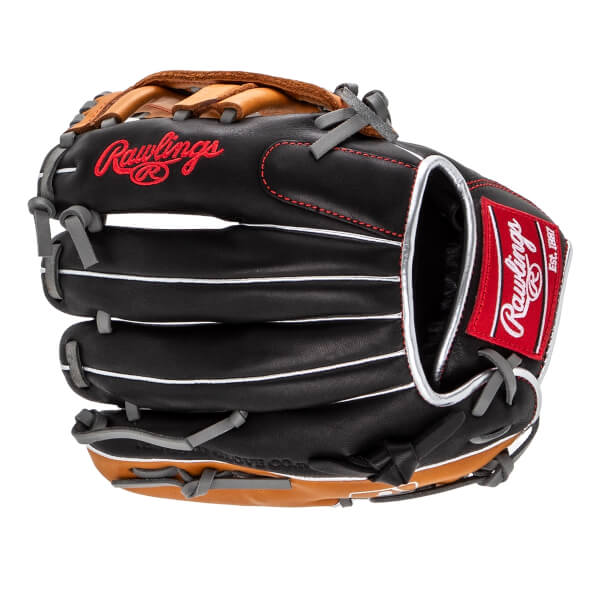
Wilson’s A1000 is a step up with soft cowhide leather that molds to the hand quickly. It has a basket web for secure catches and is available in 11.5 inches. A favorite among youth league players.
✓ Beginner Pros
+Good durability for the price
+Easy break-in
+Smooth leather feels nice
+Secure fit with D-ring strap
✗ Beginner Cons
-Still requires some break-in time
-A bit heavier than synthetic
👍 Best for: Ages 7-12 playing in recreational leagues
👎 Not for: Very young kids (5-6) who need extra softness
The R9 is a premium youth glove made from soft, game-ready leather. It features a deep pocket for outfielders or infielders. It's pre-oiled for a faster break-in and offers excellent control. Ideal for serious young players.
✓ Beginner Pros
+Premium feel without long break-in
+Great durability
+Supports growing skills
+Wide range of sizes
✗ Beginner Cons
-Higher price
-Might be too stiff for the very youngest
👍 Best for: Serious young players ages 8-14 who want a glove that will last
👎 Not for: Casual players or those who just want a cheap glove
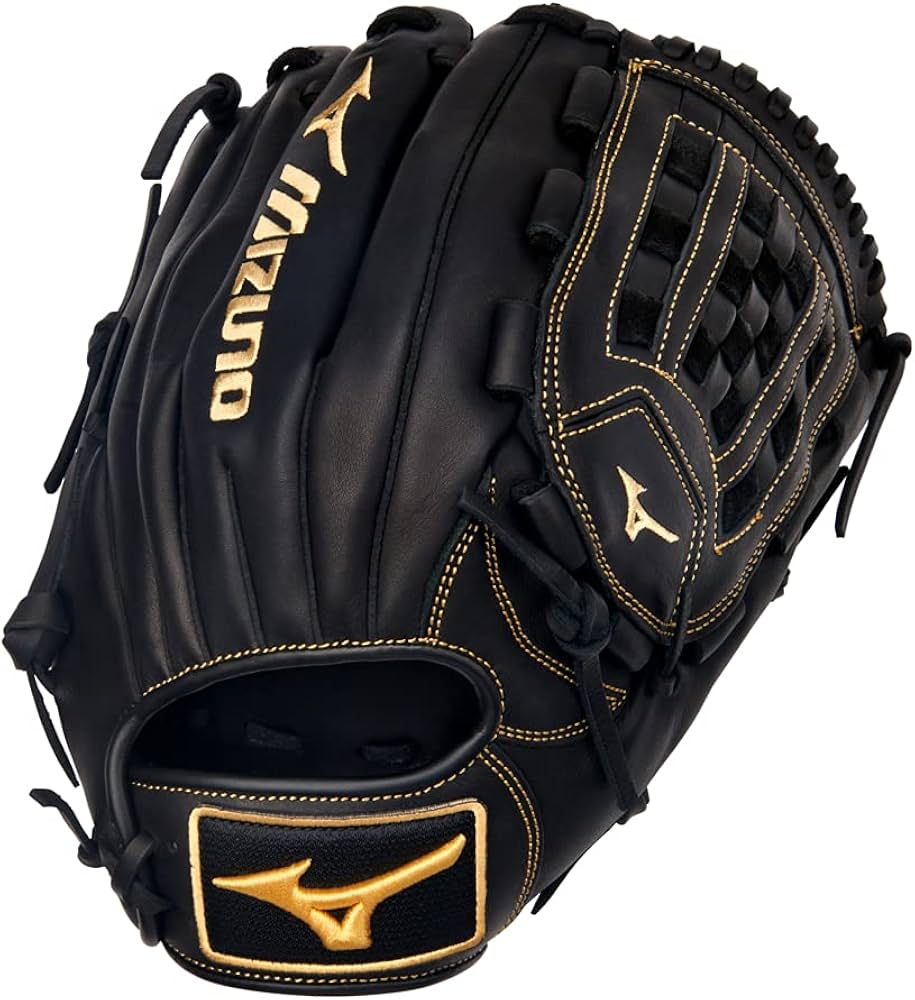
This glove uses PowerClose technology that makes it easier for small hands to close. The soft leather and flexible construction reduce fatigue. A great option for kids who struggle with closing traditional gloves.
✓ Beginner Pros
+PowerClose helps small hands
+Soft and lightweight
+Comfortable padding
+Made for youth
✗ Beginner Cons
-Web style may be deep for infield
-Not as durable as full leather
👍 Best for: Kids aged 6-10 who need extra help closing the glove
👎 Not for: Those who want a traditional leather feel
A baseball glove is basically a padded mitt that catches the ball. For kids just starting, you want a glove that is forgiving – meaning it catches the ball easily without popping out. The 'web' is the part between thumb and fingers; a 'trap' or 'I-web' gives a secure catch. The 'back' (open or closed) affects flexibility. Beginners should choose an open back (adjustable strap) for a snug fit. Avoid heavy, all-leather gloves – they are too heavy and stiff. Instead, look for a 'game-ready' glove that says 'break-in not required' or 'pre-oiled'.
🔧 Essential Accessories for Beginners
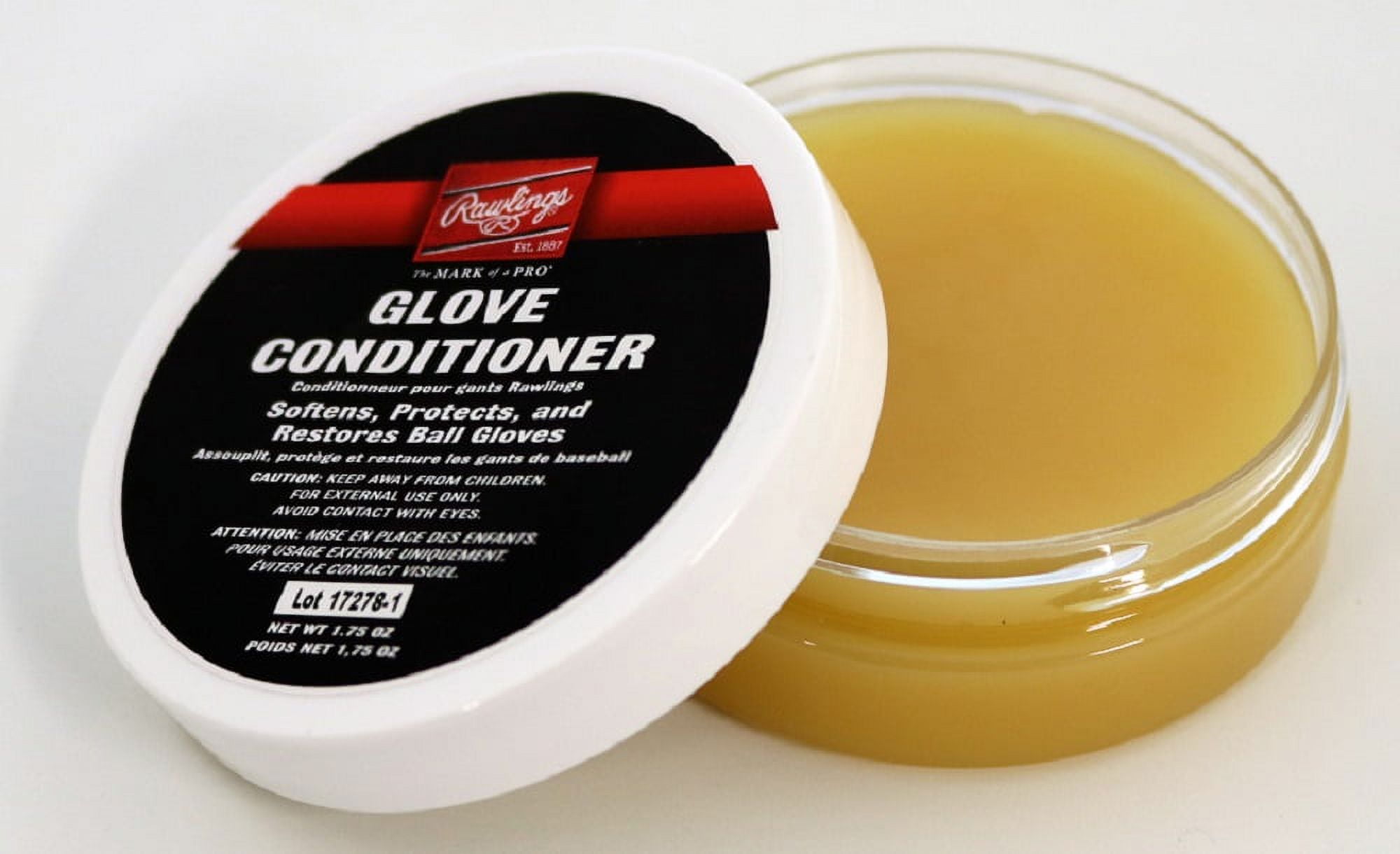
Rawlings Glove Conditioner & Softener
⚠️ Essential
$12.99
When to buy:
Day one
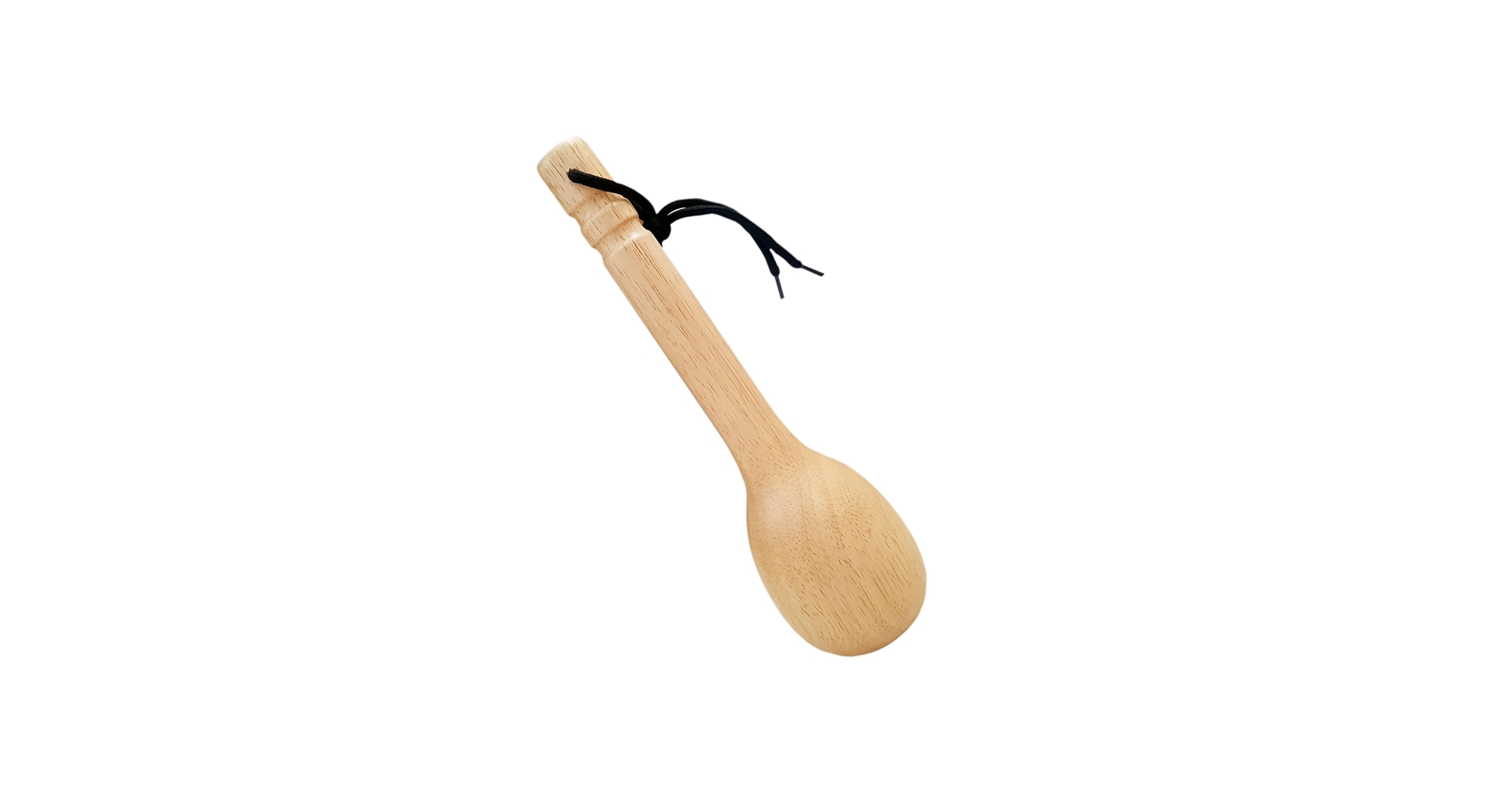
A new glove needs conditioning to keep the leather soft and prevent cracking. This conditioner also speeds up break-in and protects from moisture.
First, decide the child's age: 5-7 (10.5-11 inch), 8-12 (11-11.5 inch). Then consider the position: infield (smaller, shallow pocket) or outfield (longer, deeper pocket). For beginners, infield is easier. Set a budget: $30-70 is plenty for a quality starter glove. Don't buy the cheapest dollar-store glove – it won't last and won't grip the ball. Also, check the fastening: Velcro or lace? Velcro is easier for little ones. Finally, read reviews from other parents and look for 'easy to break in' or 'perfect for beginners'.
💰 Budget Guide for Beginners
100+
Competitive – full-grain leather, long-lasting, but heavy and stiff for true beginners.
30 60
Sweet spot – durable synthetic or soft leather, pre-broken-in, used by most recreational leagues.
60 100
Premium beginner – genuine leather, better durability, break-in required but coachable. Best for serious young players.
Under $ 30
Entry level – synthetic, lightweight but may wear out quickly. Good for casual play or ages 4-6.
⚠️ Common Beginner Mistakes to Avoid
A frequent mistake is buying a glove that is too large, thinking the child will 'grow into it'. A huge glove is impossible to control and discourages catching. Another is choosing a high-end pro model that requires months of hard break-in – that's for experienced players. Also, ignoring the glove's weight: a heavy glove makes young arms tired. Finally, not buying a glove conditioner or mallet – proper care makes the glove last longer and work better.
×Buying a glove too large expecting growth
×Choosing a stiff, all-leather pro glove
×Skipping a glove conditioner or mallet
×Ignoring the child's hand strength when selecting
×Buying a too-cheap glove that doesn't grip
📈 Your Progression Path: Beginner to Intermediate
Start with a soft, pre-broken-in glove and focus on basic catching and throwing skills. After a season or two, if the child is serious, upgrade to a full-grain leather glove that can be molded to their hand. Signs they've outgrown the starter glove: the pocket tears, the glove feels too floppy, or they struggle to catch fast balls. At that point, invest in a mid-range glove ($60-100) that will last several seasons. Remember, skill development matters more than gear – a good player can do wonders with an average glove.
📚 Learning Resources for Beginners
📖‘The Everything Kids’ Baseball Book’ by Greg Jacobs – Great for young beginners
📖‘Baseball: A Beginner’s Guide’ (DVD or streaming) – Visual learning
📖Online catching drills on YouTube – Free and helpful
📖Glove break-in guide (many brands have videos)
🎯 Bottom Line: Our Recommendations
For most beginners, the best choice is a synthetic or soft leather glove around 11 inches, with an open back and a shallow pocket. Our top pick is the Wilson A1000 Youth Glove – it's durable, easy to break in, and affordably priced. If you're on a tight budget, the Rawlings Player Series is a solid starter. Don't forget to buy a glove conditioner and a practice ball. The most important thing is to get the right size and a glove that feels comfortable. Your child will be catching pop flies in no time!
❓ Frequently Asked Questions
For most youth beginners, a soft leather or synthetic glove around 11 inches with an open back is ideal. The Wilson A1000 or Rawlings Player Series are great options.
A good starter glove costs between $30 and $60. You don't need to spend more than $100 until your child is playing competitively.
For ages 5-7, choose 10.5-11 inches. For ages 8-12, choose 11-11.5 inches. For outfield, add half an inch; for infield, stay smaller.
Synthetic is easier to open and close right away, but wears out faster. Soft leather (like cowhide) is a good middle ground – easier break-in than full-grain but more durable.
Use a glove mallet to pound the pocket, apply conditioner, then play catch. Do NOT use oil – it can make the glove heavy. Repeat for a few days until it closes easily.
Gloves with 'PowerClose' technology (like Mizuno MVP Prime) or those with a very flexible palm strap are easiest. A smaller glove also helps.
Infield gloves are smaller and have shallow pockets, making it easier to transfer the ball. For beginners, infield style is recommended regardless of intended position.
No. A glove that is too large will be hard to control and may cause the ball to pop out. Always buy a glove that fits now, not one they will 'grow into'.
A synthetic glove may last 1-2 seasons. A good leather starting glove can last 3-4 seasons if properly cared for.
Essential: glove conditioner, practice soft balls. Highly recommended: a glove mallet. Nice to have: a glove bag.
Buying too large, choosing a stiff pro glove, skipping conditioner, and not considering the child's hand strength.
Around age 9-10, when they are playing regularly and can handle a longer break-in period. Before that, synthetic or soft leather is fine.