Pick your first 5-string banjo with confidence - top picks, accessories, and mistakes to avoid for easy learning.
Choosing your first banjo can feel scary - so many types, prices, and confusing terms! As a complete beginner, you worry about wasting money on something hard to play or that sounds bad. This guide cuts through the noise, focusing on 5-string banjos perfect for newcomers who want to strum bluegrass rolls without frustration.
We'll explain why banjos overwhelm beginners, what simple features matter most, and hand-pick the best Amazon options that are easy to tune, forgiving on mistakes, and fun right away. No jargon, just straightforward advice to build your confidence and get you playing songs in weeks.
📋 In This Guide
• Why Beginners Struggle with Banjo
• What to Look For (Key Features)
• Top 4 Beginner-Friendly Banjo
• Essential Accessories for Beginners
• Common Beginner Mistakes to Avoid
• Your Progression Path
• FAQ & Learning Resources
😰 Why Beginners Struggle with Banjo
Beginners often feel lost with banjos because of endless options like open-back vs. resonator, 4-string vs. 5-string, and brands from cheap imports to $1000+ pro models. Forums like Reddit's r/banjo are full of 'my first banjo buzzed and was impossible to tune' stories - common because factory setups are poor on budget models.
Fear of buying wrong hits hard: too cheap sounds tinny, too fancy has features you can't use. Jargon like 'vsl', 'tone ring', or 'geared tuners' scares people off, and without guidance, you miss what makes playing forgiving, like low action for easy fretting.
🔍 What to Look For: Key Beginner-Friendly Features
Focus on banjos that play nice out of the box: 5-string for bluegrass (most popular beginner style), open-back for lighter weight and easier learning (less boomy). Look for included tuner, strap, and bag - saves hassle. Geared 5th tuner is key (smooth like guitar tuners, no slipping).
Must-haves: Low action (strings close to neck for easy presses), good setup (no buzzing), lightweight under 10lbs. Skip resonators or fancy inlays - they're heavy and advanced. Beginner-friendly means forgiving: stays in tune, sounds decent unplugged, simple to maintain.
✅ Essential Features for Beginners
•5-String Design: Standard for bluegrass rolls, easy to learn basic rolls.
•Geared 5th Tuner: Stays in tune longer, no constant thumb adjustments.
•Open-Back Rim: Lightweight, quiet for practice without overwhelming volume.
•Low Action Setup: Strings easy to press, reduces finger pain for newbies.
•Included Basics: Tuner, strap, bag - start playing day one.
•Durable Build: Forgiving on rough handling during learning.
🏆 Top 4 Best Banjo for Beginners
#1
💰 Budget
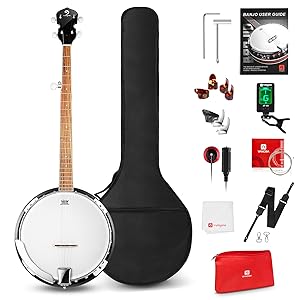
Beersone 5-String Banjo Beginner Kit with Tuner, Armrest, 5th Tuner, Strap, Strings, Bag
Learning Curve: Easy
$159.99
Difficulty: 2/5
Why Great for Beginners:
This kit has everything to start day one, with smooth geared tuners that stay put better than cheap sliders. Lightweight open-back design is easy on arms during long practice. Users rave about easy setup and decent tone for price.
✓ Beginner Pros
+Full kit included
+Easy tuning
+Lightweight
+Low price to test
✗ Beginner Cons
-May need pro setup for buzz
-Basic tone
-Strings stretch fast
👍 Best for: Total newbies testing waters on tight budget
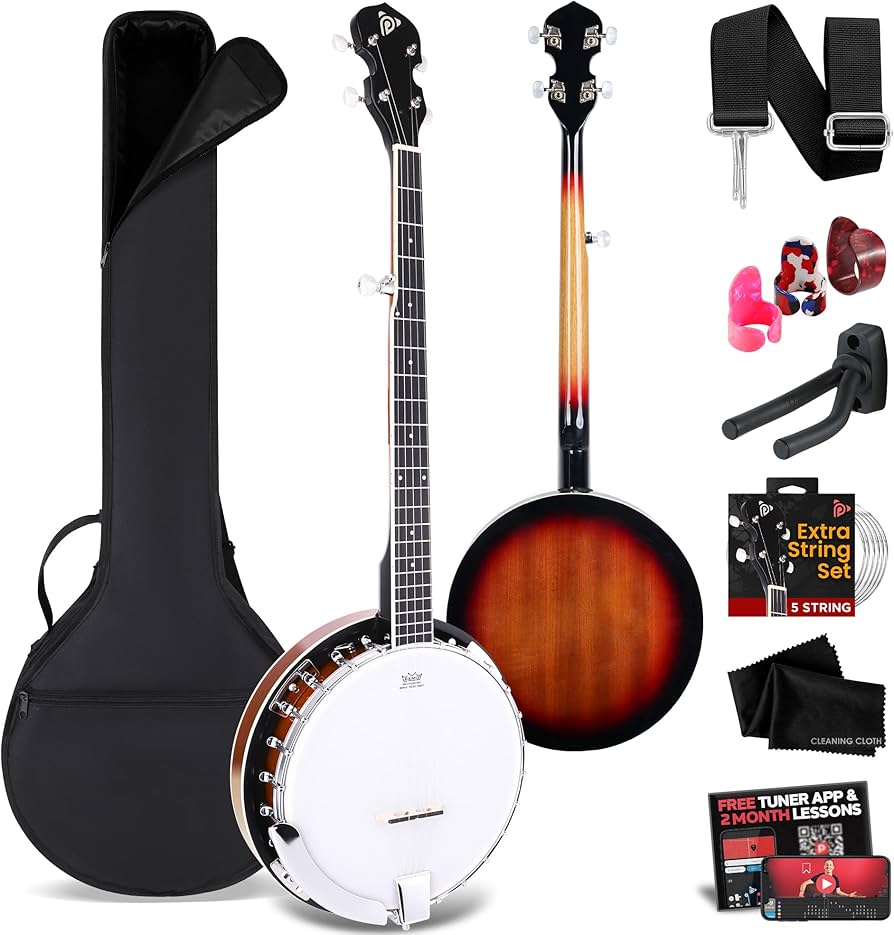
Better build than budget options, with mahogany for warmer tone and stable tuners. Pre-set action is low and buzz-free per reviews. Great value for daily practice without quick upgrade.
✓ Beginner Pros
+Stable tuning
+Comfortable neck
+Good volume
+Durable
✗ Beginner Cons
-No included bag
-Slightly heavier
👍 Best for: Most beginners wanting reliable daily player
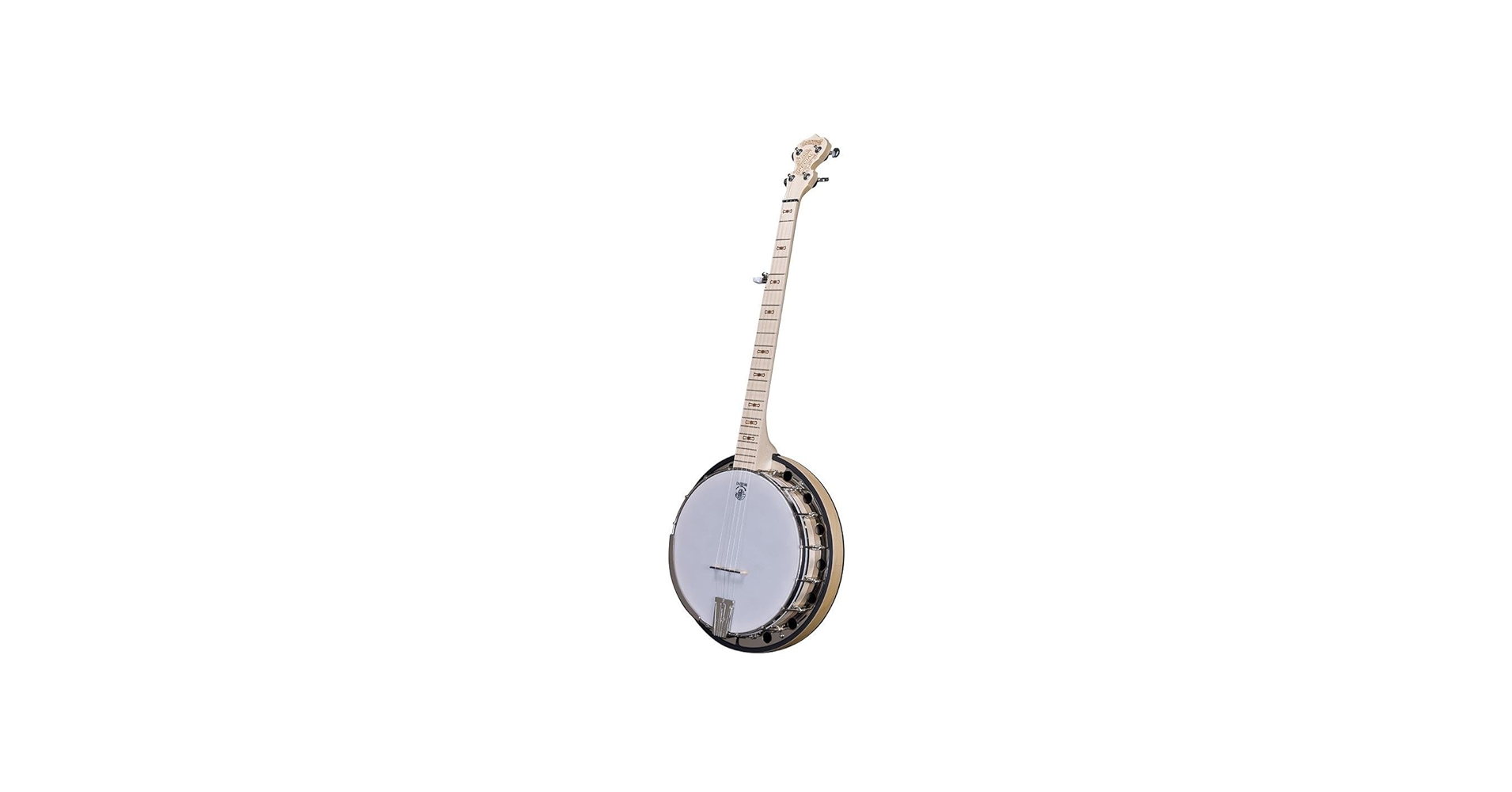
Pro quality at beginner price: perfect setup, lightweight hardwood, stays in tune forever. Ideal for serious starters who hate frustrations. Grows with you to intermediate.
✓ Beginner Pros
+Flawless setup
+Light 4.5lbs
+Great tone
+Lifetime durability
✗ Beginner Cons
-Higher cost
-No kit extras
👍 Best for: Committed beginners with budget for quality
A banjo is a stringed instrument with a drum-like body for bright twang, perfect for folk/bluegrass. Beginners should stick to 5-string (short 5th string for rolls) - it's the most taught style. Avoid 4-string plectrum (jazz) or 6-string guitar-banjo hybrids; they're confusing starters.
Open-back banjos are best for beginners: lighter (6-8lbs), cheaper, great unplugged sound for home practice. Resonators add volume but weight - save for gigs. Expect basic chords/rolls first month; realistic goal: simple songs like 'Cripple Creek' in 4-6 weeks with 20min daily practice.
Evaluate by Amazon reviews focusing on 'setup' and 'tuning stability'. 'Beginner-friendly' means pre-setup or easy DIY, not pro-level tone.
🔧 Essential Accessories for Beginners
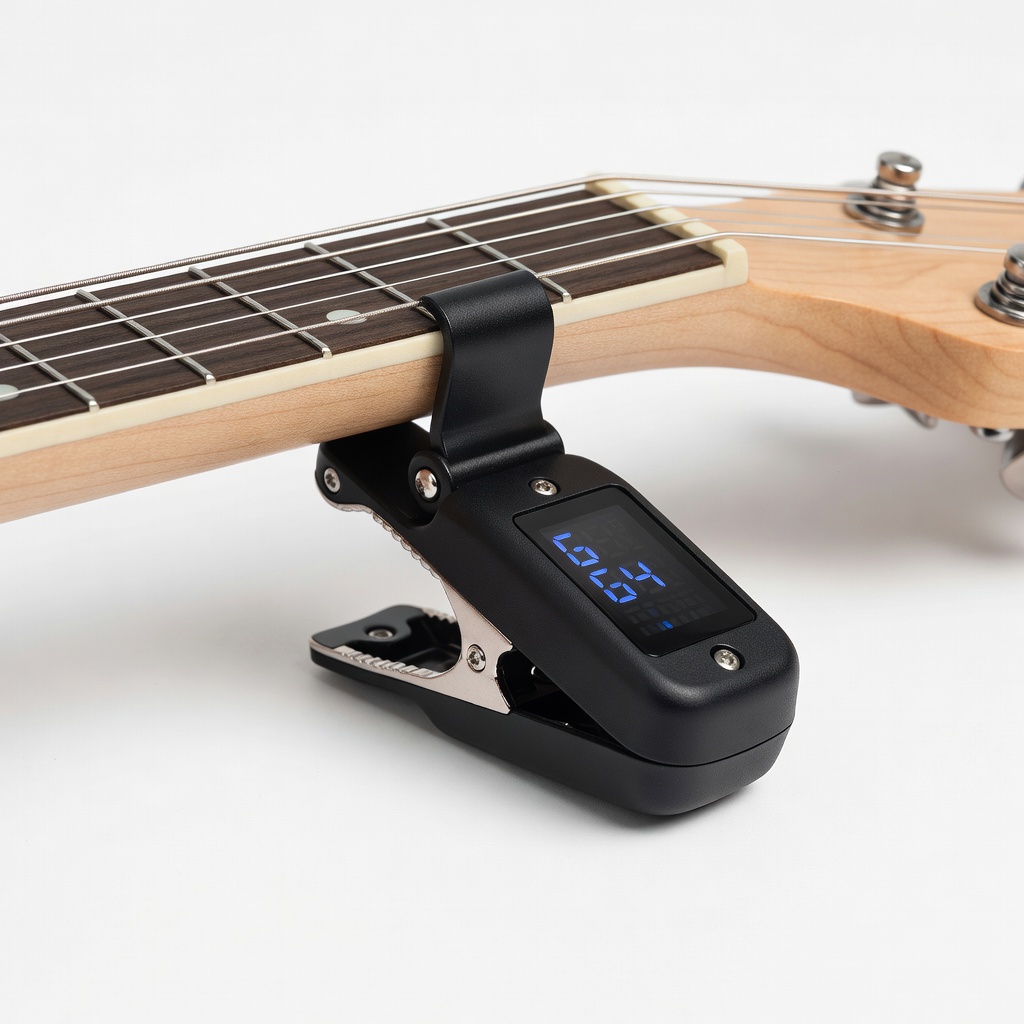
SNREIN Clip-On Banjo Tuner for 5-String Banjos
⚠️ Essential
$12.99
When to buy:
Day one
Banjo tuning (gDGBD) is tricky without visual help; this clips on and shows notes clearly. Prevents frustration from constant retuning during practice. Cheap insurance for success.
Ask: Budget? (under $200 try-it, $200-400 commit). Play style? Bluegrass=5-string openback. Space? Apartment=openback quiet. Growth? Good action now, upgrade later.
Budgets: Under $200 for testing, $200-400 sweet spot (quality setup), $400+ premium (pro sound early). Go budget if unsure, recommended for serious fun, premium if budget allows. Red flags: No reviews on tuning, heavy weight, missing 5th tuner.
💰 Budget Guide for Beginners
600+
Pro entry - for committed learners wanting top tone immediately.
200 - $400
Sweet spot - best value, reliable tune-up, room to grow skills.
400 - $600
Premium beginner - pro-like playability, lasts years without upgrade.
Under $ - $200
Entry level - affordable starters to test interest, may need setup tweaks.
⚠️ Common Beginner Mistakes to Avoid
Beginners grab cheapest Amazon hit, but cheap alloys buzz and detune hourly, per r/banjo complaints. Fix: Spend $150+ for geared tuners. Many pick resonators thinking 'louder=better', but overwhelm apartments - start openback.
No tuner or setup pro (many shops offer $50 service) kills fun fast. Avoid by buying kits, practicing 15min daily. Experienced players say: 'Invest in playability, not bling'.
×Buying under $100 no-name - tinny sound, poor tuning leads to quitting.
×Choosing 4-string instead of 5-string - wrong for bluegrass lessons.
×Skipping tuner - endless frustration tuning by ear.
×Ignoring setup - buzzing frets hurt progress.
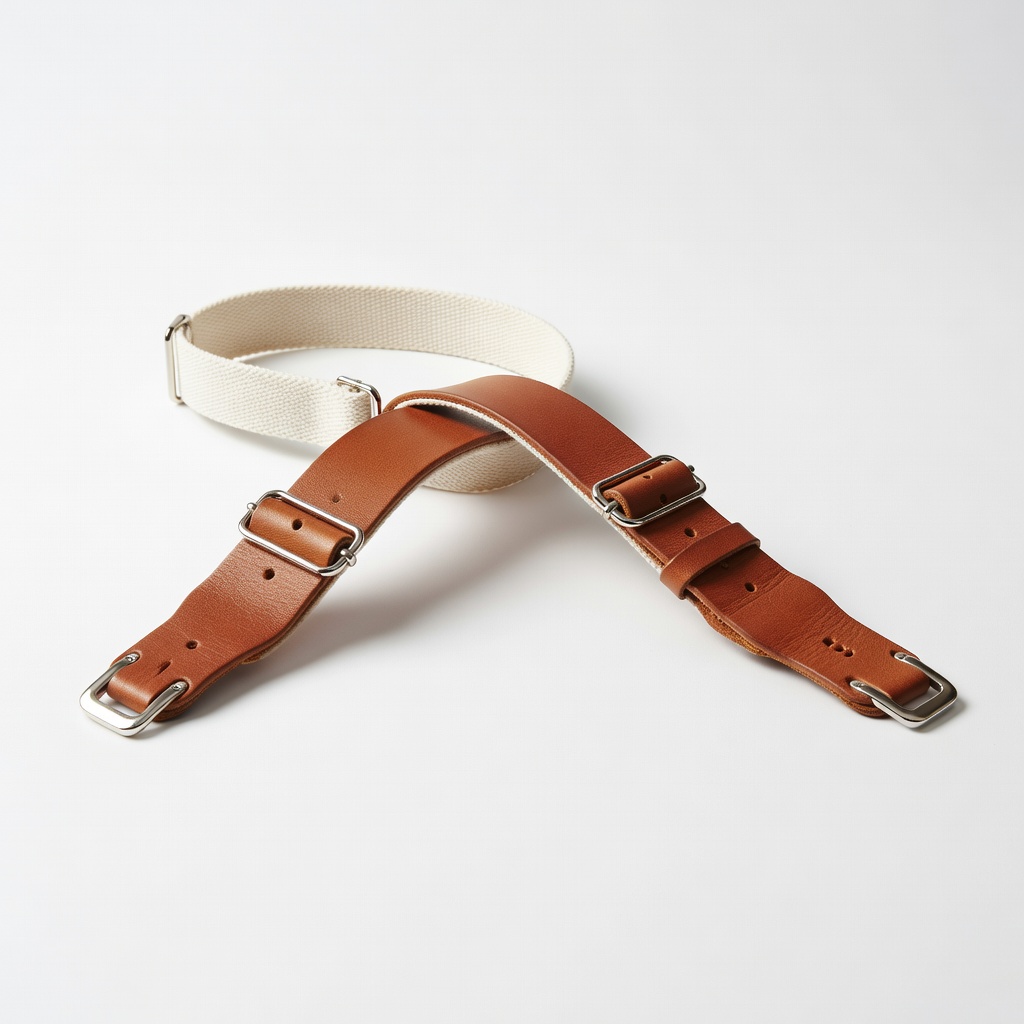
×No case/strap - damage or awkward practice.
×Resonator model first - too loud/heavy for home.
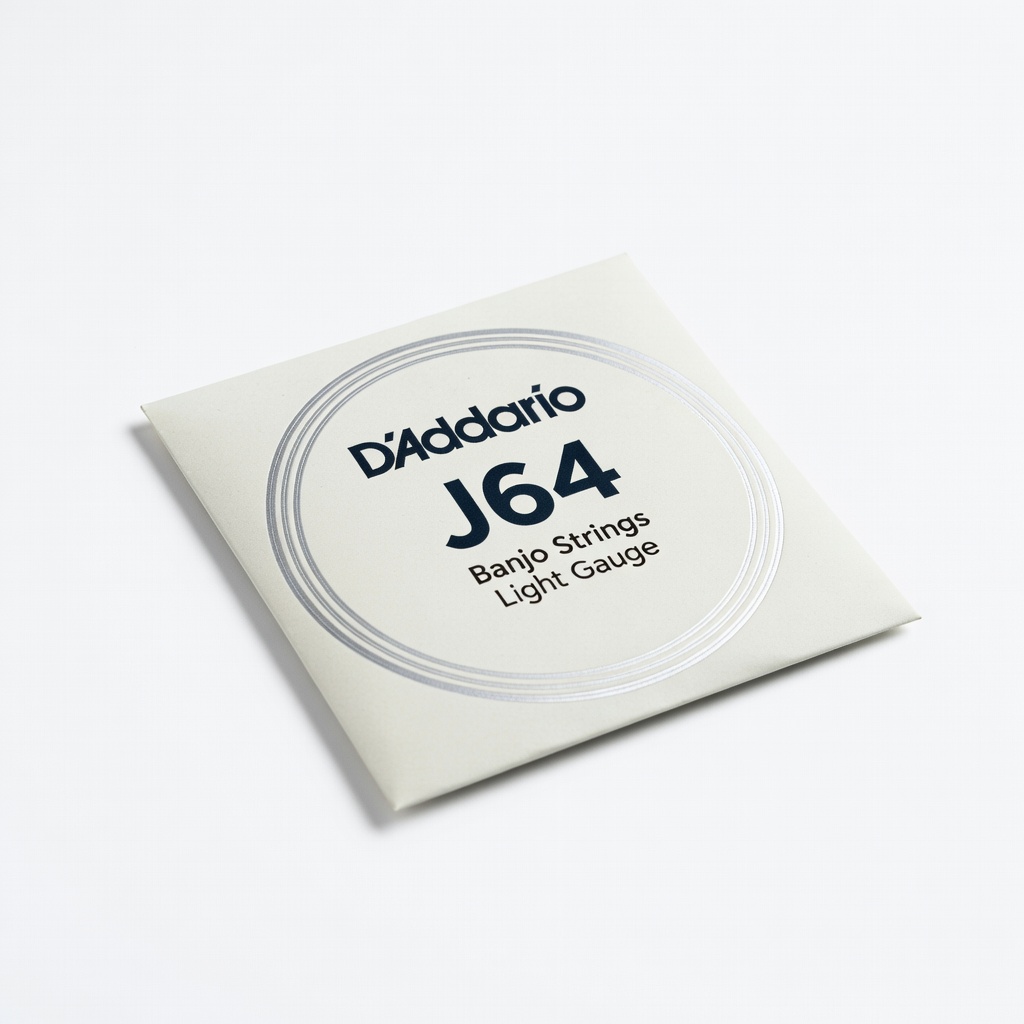
×Not changing strings monthly - dull tone demotivates.
×Overbuying pro banjo - features unused, regret.
📈 Your Progression Path: Beginner to Intermediate
Start with basics: Learn G tuning, forward roll, 3-finger style via YouTube (Murphy Method). Practice 20min/day, first songs in 2 weeks. Outgrow beginner banjo when wanting louder gigs (add resonator), better tone (custom setup).
Upgrade after 6-12 months: Better neck/rim ~$800. Intermediate: Clawhammer or advanced Scruggs. Stay beginner 3-6 months typically.
📚 Learning Resources for Beginners
📖Banjo For Dummies
📖Earl Scruggs Book
📖Murphy Method DVD
📖Beginner Tab Books
🎯 Bottom Line: Our Recommendations
Best overall: Pyle PNB5 (recommended tier) - balanced, fun starter. Budget: Beersone kit. Premium: Deering Goodtime. Grab tuner, bag, strap day one.
You're ready! Order, tune up, roll along - most love it after first song. Join online communities for tips. Play daily, progress fast.
❓ Frequently Asked Questions
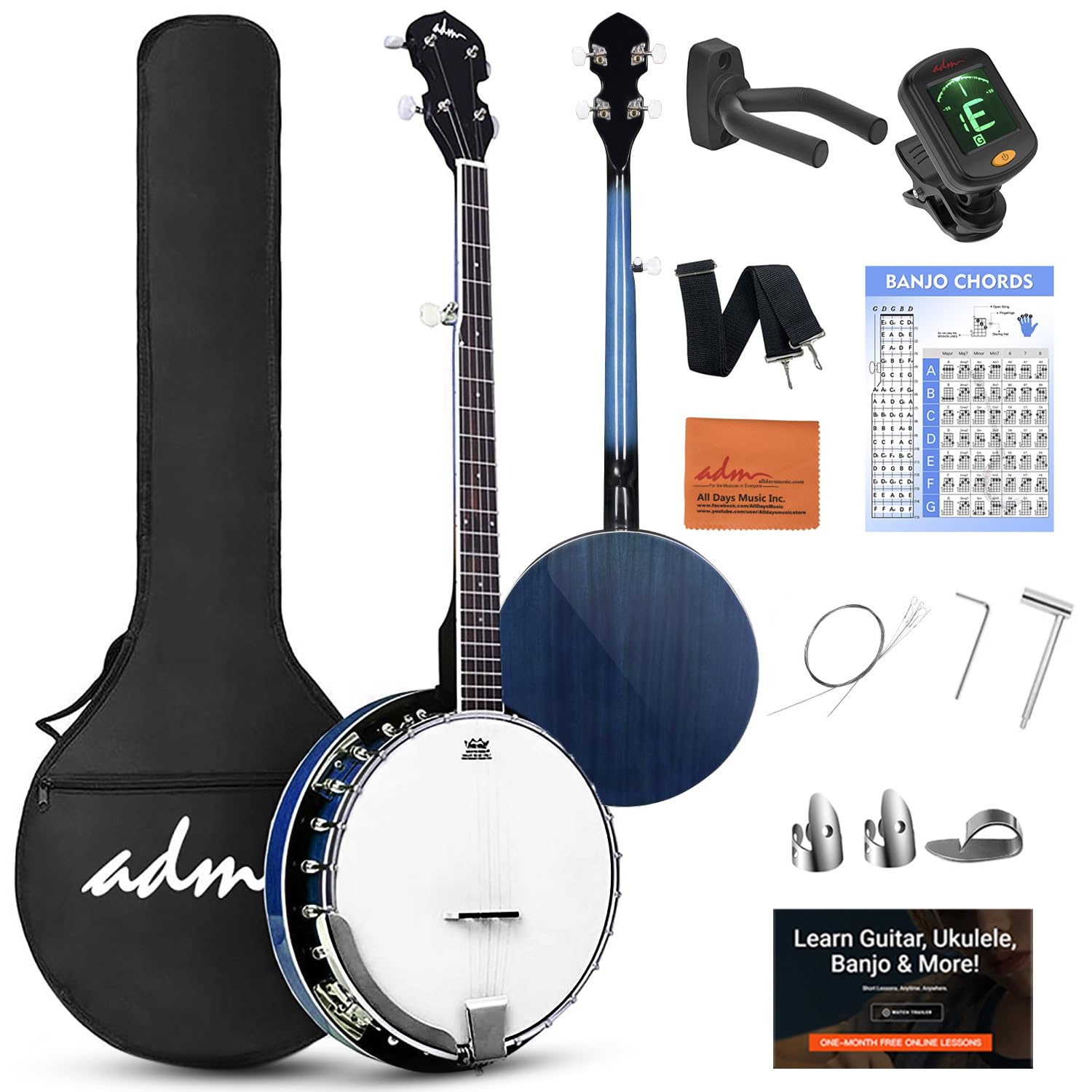
Pyle PNB5 or ADM kit - easy tune, full accessories, great reviews for newbies.
$150-400 sweet spot for reliable play; under $200 to try.
5-string, geared 5th tuner, low action, open-back, included tuner/strap.
Open-back 5-strings like Beersone or Deering - light, forgiving setup.
Tuner, gig bag, strap, strings - all essential for frustration-free start.
Match budget to commitment: Budget test, recommended commit, check reviews for setup.
Moderate - rolls take practice, but right banjo/tuner makes it fun fast.
Cheap no-tuner buys, wrong strings, no setup - avoid with kits and reviews.