Review Atlas
Review AtlasYour guide to a better purchase

Menu

Shop by Category

Get the App

Better experience on mobile

Beginners GuideFitness

Best Balance Trainer Boards for Beginners 2025

Everything beginners need to choose their first balance trainer board with confidence – top picks, accessories, and mistakes to avoid.

Picking your first balance trainer board can feel intimidating – there are so many shapes, sizes, and prices, and you're worried about falling or wasting money on something too hard. As a beginner, you just want something fun that builds core strength without frustration.

Balance trainer boards (also called wobble boards) rock side-to-side to challenge your balance, improve stability, and tone your core. But with options from cheap plastic to fancy pro models, it's easy to get overwhelmed.

This guide simplifies it all: we'll cover what matters for newbies, recommend real Amazon picks that are forgiving and easy, plus accessories and tips to build confidence fast. By the end, you'll know exactly what to buy.

📋 In This Guide

  • • Why Beginners Struggle with Balance Trainer Boards
  • • What to Look For (Key Features)
  • • Top 4 Beginner-Friendly Balance Trainer Boards
  • • Essential Accessories for Beginners
  • • Common Beginner Mistakes to Avoid
  • • Your Progression Path
  • • FAQ & Learning Resources

😰 Why Beginners Struggle with Balance Trainer Boards

Beginners often struggle because balance trainer boards come in confusing varieties like simple rockers, 360-degree spinners, or half-dome BOSU styles – which one won't send you tumbling right away? Reviews on Amazon and Reddit show newbies frustrated by boards that are too wobbly, causing falls and bruises, or too stable, offering no real challenge.

Jargon like 'R-value,' 'instability levels,' or 'proprioception training' sounds scary and meaningless when you're just starting. Many fear injury or buying something that breaks after a week, especially without knowing their skill level.

The flood of cheap imports versus pricey brands leaves beginners paralyzed, unsure if spending more gets real value or just hype.

🔍 What to Look For: Key Beginner-Friendly Features

For beginners, focus on forgiving designs that won't tip too easily. Must-haves: non-slip surface to grip your feet/shoes, moderate wobble (not extreme rocking), and a size around 15-17 inches wide for stability.

Nice-to-haves: adjustable height or resistance bands included for progressing skills. Skip fancy sensors or pro grips – you don't need them yet.

Beginner-friendly boards are intuitive (stand and rock gently), durable (wood or thick plastic), and come with simple instructions or videos. They tolerate shaky legs without punishing you.

✅ Essential Features for Beginners

  • Non-slip textured surface – prevents slips even in socks
  • Moderate instability level – challenging but forgiving for new balance
  • Ergonomic diameter (15-18 inches) – wide enough to feel safe
  • Durable wood or reinforced plastic – lasts through daily use
  • Lightweight design – easy to move and store
  • Included base or handles – helps beginners get on/off safely
  • Anti-tip edges – reduces fall risk during first tries

🏆 Top 4 Best Balance Trainer Boards for Beginners

#1
💰 Budget

Yes4All Wooden Wobble Balance Board

Learning Curve: Easy

$29.99
Difficulty: 1/5
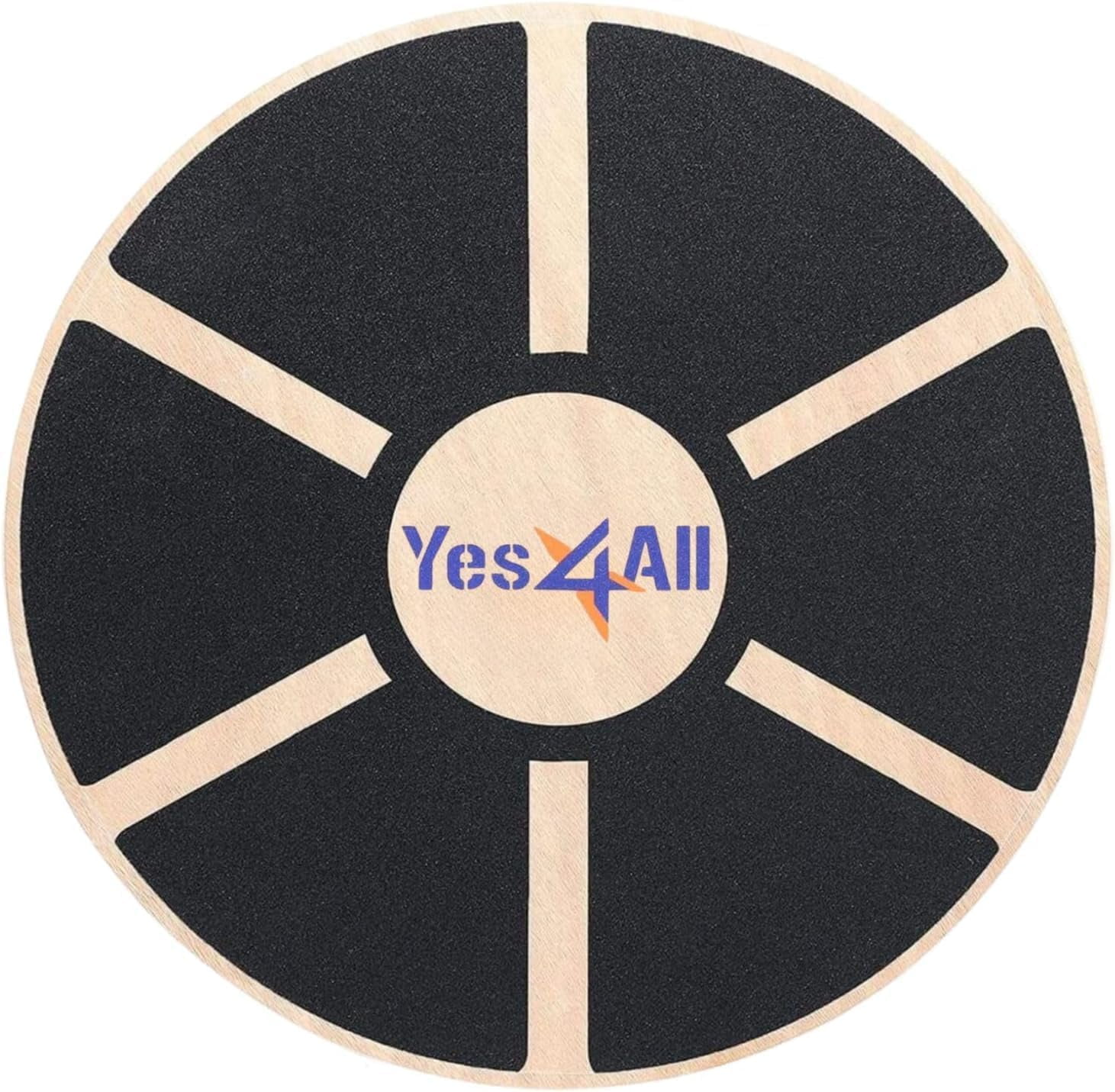
Yes4All Wooden Wobble Balance Board

Why Great for Beginners:

This simple wooden rocker is super forgiving with gentle tilt, perfect for first-timers scared of falling. Non-slip surface and natural curve build confidence fast without complexity.

Beginner Pros

  • +Gentle wobble eases you in
  • +Affordable to test hobby
  • +Portable and stores flat
  • +Durable for home use

Beginner Cons

  • -Limited to side-to-side only
  • -No adjustability yet
👍 Best for: Total newbies on tight budget testing balance
👎 Not for: Those wanting full 360 spin

#2
👍 Recommended

Springbook Adjustable Balance Board

Learning Curve: Easy

$49.99
Difficulty: 2/5
Springbook Adjustable Balance Board

Why Great for Beginners:

Adjustable height dials difficulty as you improve, with 360 rotation that's smooth not scary. Grippy base and included bands make sessions fun and safe from day one.

Beginner Pros

  • +Custom wobble level
  • +Comes with workout guide
  • +Sturdy ABS plastic
  • +Fun progression built-in

Beginner Cons

  • -Assembly takes 5 min
  • -Slightly heavier
👍 Best for: Beginners planning regular core workouts
👎 Not for: Ultra-minimalists
#3
✨ Premium

BOSU Balance Trainer Home Edition

Learning Curve: Moderate

$139.99
Difficulty: 2/5
BOSU Balance Trainer Home Edition

Why Great for Beginners:

Inflatable dome offers cushioned forgiveness – bounce absorbs beginner mistakes. Versatile for standing, kneeling, or floor work, with pro-level durability for long-term use.

Beginner Pros

  • +Super stable start
  • +Multiple exercises
  • +Pump for custom firmness
  • +Trusted brand support

Beginner Cons

  • -Higher price
  • -Takes storage space
👍 Best for: Serious beginners with space and budget
👎 Not for: Travelers or tight budgets
#4
👍 Recommended

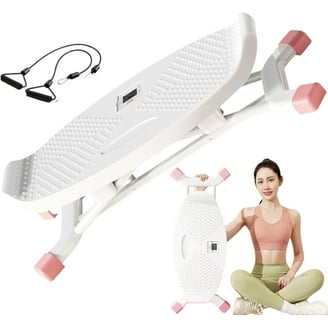
TheraBand Wobble Board

Learning Curve: Easy

$34.99
Difficulty: 1/5
TheraBand Wobble Board

Why Great for Beginners:

Flexible base provides gentle instability ideal for rehab-style intro. Compact and lightweight, with textured top for secure footing during shaky first sessions.

Beginner Pros

  • +Very forgiving flex
  • +Portable under 5lbs
  • +Affordable quality

Beginner Cons

  • -Less dynamic than rotators
👍 Best for: Injury recovery or gentle starts
👎 Not for: High-intensity seekers

📖 Complete Beginner's Guide to Balance Trainer Boards

Balance trainer boards are round or oval platforms that wobble when you stand on them, training your core, ankles, and posture by forcing tiny muscle adjustments. Basics: place feet shoulder-width, shift weight gently – start with 30-second holds.

Types: rocker boards (side-to-side tilt, easiest for beginners), 360-rotators (full spin, moderate), BOSU domes (air-filled bounce, fun but pricier). Beginners do best with rockers or basic rotators – they're stable enough to build confidence without overwhelming wobble.

Expect to wobble a lot at first; that's normal! Aim for 5-10 min sessions, 3x/week. 'Beginner-friendly' means low injury risk, quick wins (like standing 1 min), and room to add squats later.

Marketing traps: 'pro-grade' often means harder for newbies; ignore unless specified 'starter level.' Check reviews for 'easy to balance first time.'

🔧 Essential Accessories for Beginners

Amazon Basics Thick Exercise Yoga Mat - Image 1 of 7

Amazon Basics Thick Exercise Yoga Mat

⚠️ Essential

$29.99

When to buy:
Day one

Prevents floor slips and cushions falls – crucial for wobbly beginners. Extra thick padding protects joints during core work.

Beginner Benefits:

  • Reduces injury fear
  • Grip for board stability
  • Comfort for longer sessions
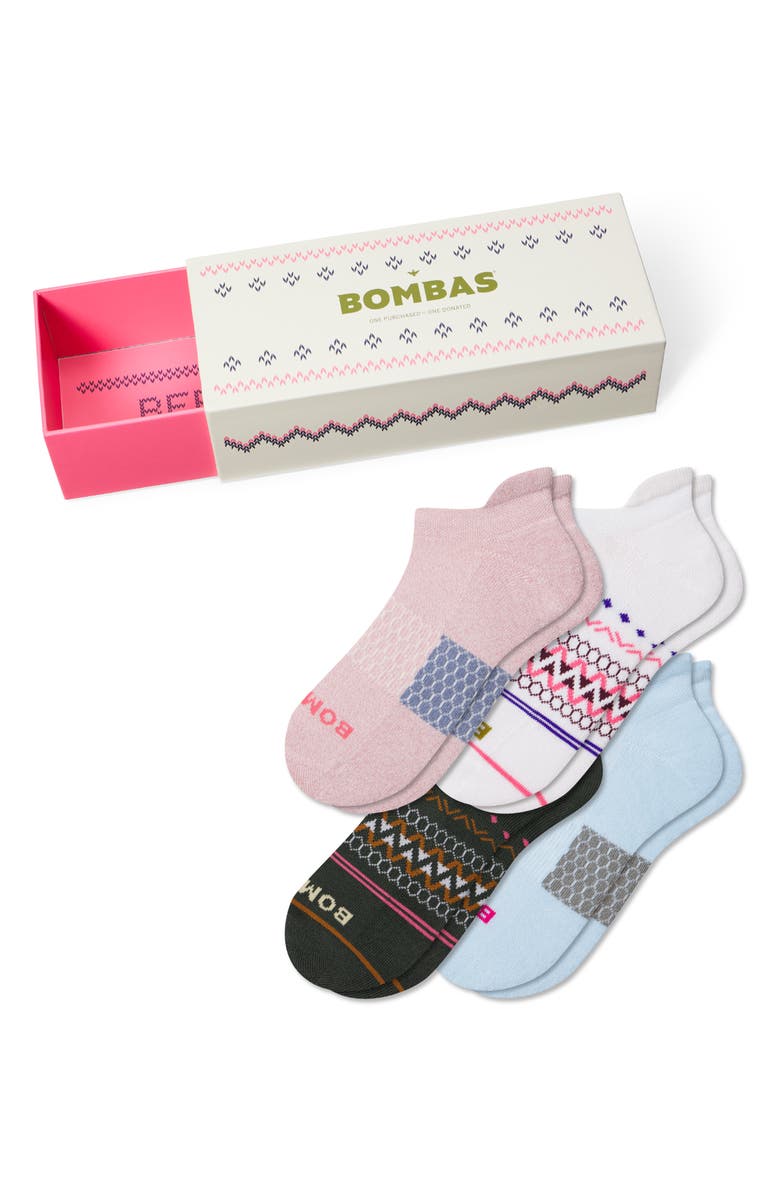
Bombas Non-Slip Grip Socks

Bombas Non-Slip Grip Socks

👍 Recommended

$19.99

When to buy:
Day one

Grip dots keep feet planted on smooth boards, avoiding slips that scare newbies off.

Beginner Benefits:

  • Instant footing security
  • No shoe hassle
  • Comfort over long practice
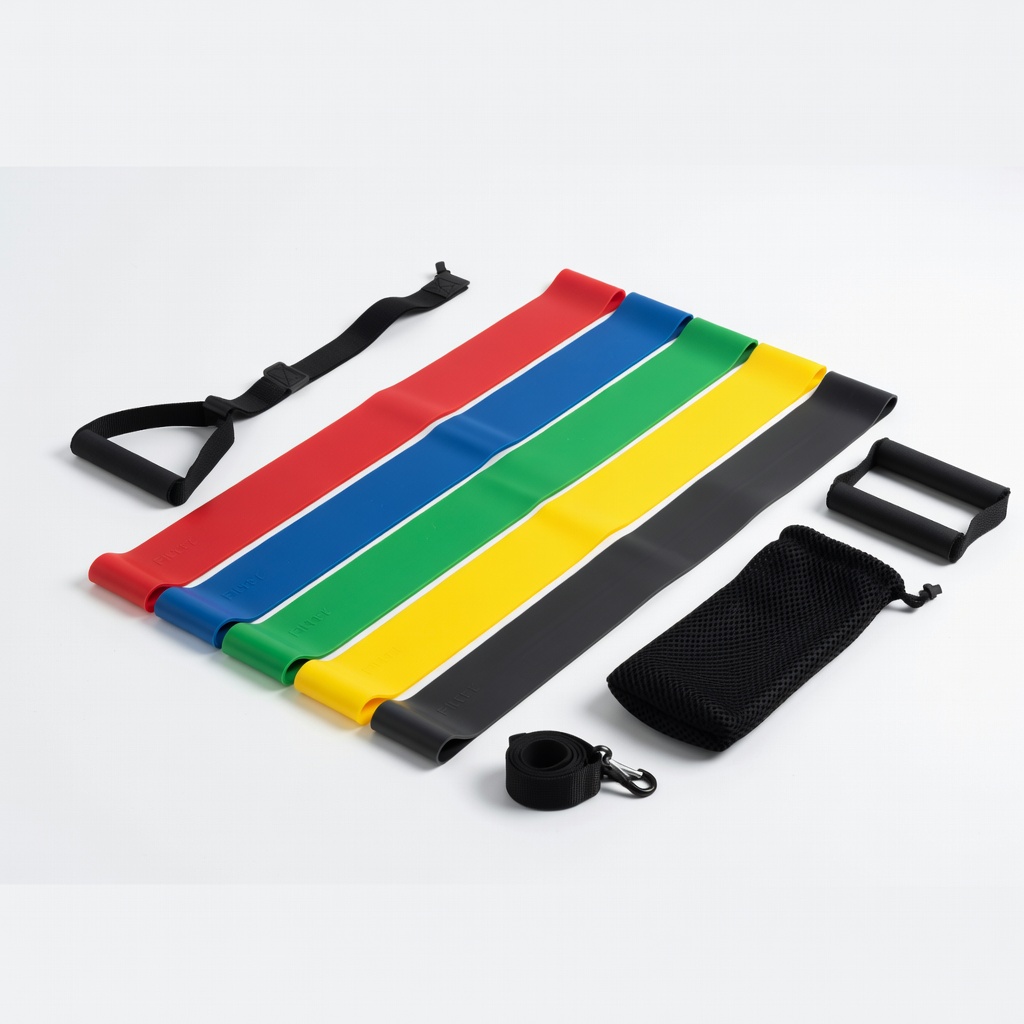
Fit Simplify Resistance Bands Set

Fit Simplify Resistance Bands Set

👍 Recommended

$9.99

When to buy:
First month

Add gentle resistance to board work for full core burn without boredom. Loops fit most boards.

Beginner Benefits:

  • Easy skill builder
  • Variety in routines
  • Portable add-on
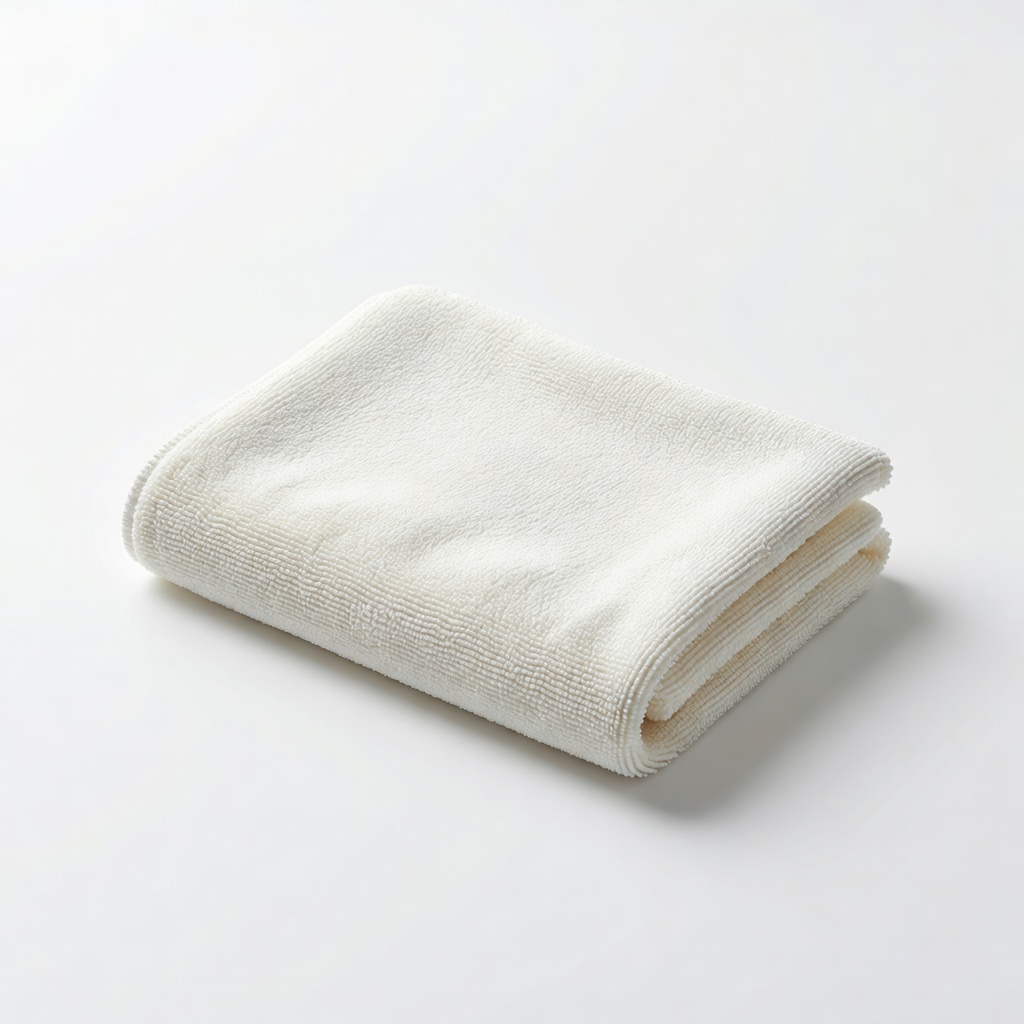
Microfiber Exercise Towel - Image 1 of 7

Microfiber Exercise Towel

💡 Nice to Have

$12.99

When to buy:
First month

Sweat won't make board slippery; quick-dry keeps sessions safe.

Beginner Benefits:

  • Maintains grip
  • Hygiene boost
  • Motivation for sweaty workouts

🤔 How to Choose Your First Balance Trainer Boards

Ask: What's your space (small room? pick compact)? Goal (core fun or rehab? stability focus)? Budget (start sweet spot for value)? Time commitment (daily? get durable).

Budgets: under $30 for trial, $30-60 best for most (quality + growth), $60+ if serious. Home use? rocker board. Gym? rotator. Go budget if testing, recommended for sticking with it, premium if injury-prone (extra cushion).

Red flags: no non-slip, tiny size (<14"), cheap foam that deflates. Test virtually via videos; match your height (taller needs bigger board). Plan for growth: pick adjustable.

💰 Budget Guide for Beginners

100+

Pro entry – full kits with apps/videos for fast progression, if committed from day one.

30 - $60

Sweet spot – sturdy build with anti-slip and moderate challenge, perfect for regular beginner use.

60 - $100

Premium beginner – adjustable features, BOSU-style cushion, lasts years without upgrade.

Under $ - $30

Entry level – basic plastic/wood to try balance training, may feel flimsy long-term.

⚠️ Common Beginner Mistakes to Avoid

...

  • ×Buying the $10 plastic toy – breaks fast, no real training
  • ×Picking pro spinner too soon – too unstable, leads to quitting
  • ×Skipping mat/socks – slips cause fear and bruises
  • ×Ignoring size – tiny boards feel unsafe for adults
  • ×No progression plan – boredom hits without adjustability
  • ×Overlooking non-slip – sweaty feet = instant fail
  • ×Buying without reviews – hype vs real beginner ease

📈 Your Progression Path: Beginner to Intermediate

Start with standing holds (1-2 min), add knee bends week 2, eyes closed week 4. Practice 10 min/day, track time on board.

Outgrow beginner board when holding 5+ min easily, doing single-leg stands. Typically 1-3 months. Upgrade to adjustable rotator or BOSU first for more challenge.

Intermediate: add jumps, weights; full routines 20 min. Build progressively to avoid burnout – celebrate small wins like first full circle!

📚 Learning Resources for Beginners

  • 📖Balance Training Exercises for Dummies (Book, ASIN: B08J2K3L4M) – simple routines with pics.
  • 📖Core Strength Training for Beginners DVD (ASIN: B00E8S6O7A) – visual board workouts.
  • 📖Proprioception Workbook (ASIN: 149256619X) – progress trackers.
  • 📖Beginner Balance Board Guide eBook (ASIN: B09F5G6H7I) – free-printable routines.
  • 📖Yoga for Balance Book (ASIN: B07N8P9Q0R) – complements board practice.

🎯 Bottom Line: Our Recommendations

For most beginners, grab the Springbook Adjustable ($49.99) – perfect sweet spot with growth room. Budget? Yes4All ($29.99). Serious? BOSU ($139.99).

Start with yoga mat + grip socks. You'll balance confidently in weeks!

Next: unbox, watch included video, 5 min/day. You've got this – balance is a skill anyone can learn.

❓ Frequently Asked Questions

The Springbook Adjustable (ASIN B07GZFJ8S6) – easy controls, forgiving wobble, and progression features make it ideal for newbies.
$30-60 sweet spot for durable, feature-packed boards like Yes4All or Springbook – value without waste.
Non-slip surface, 15-18" size, moderate wobble, lightweight – forgiving and safe for shaky starts.
Yes4All Wooden Wobble (B07H4J5Q5L) – gentle rocker, difficulty 1, stands in seconds.
Yoga mat (essential for cushion), grip socks (for footing), resistance bands (for variety).
Match size to height, pick moderate wobble, read beginner reviews, stay $30-60 budget.
Not with forgiving picks – expect wobbles first week, confident in 2-4 sessions.
Cheapest junk, no mat, wrong size, skipping warm-up – leads to frustration.
Yes, premium forgiving option – inflate softer for easy starts.
3-5x/week, 5-10 min – build slowly to avoid soreness.