Is Best Hiking Backpack for beginners Worth It? Honest Review (2…
Everything beginners need to know to choose their first hiking backpack with confidence.
Choosing your first hiking backpack can feel overwhelming. With countless brands, sizes, and features, it's easy to get lost in technical jargon and make a costly mistake. This guide is designed to simplify the process, helping you understand what matters most for a beginner, avoid common pitfalls, and find a pack that fits your adventures without breaking the bank. By the end, you'll feel confident to make a smart purchase that will serve you well on the trail.
📋 In This Guide
• Why Beginners Struggle with Hiking Backpack
• What to Look For (Key Features)
• Top 4 Beginner-Friendly Hiking Backpack
• Essential Accessories for Beginners
• Common Beginner Mistakes to Avoid
• Your Progression Path
• FAQ & Learning Resources
😰 Why Beginners Struggle with Hiking Backpack
Many beginners struggle because they don't know what size or capacity they need. Technical terms like 'torso length', 'hip belt', 'frame types' (internal vs. external) can be confusing. There's also the fear of buying something too small for longer trips or too big for day hikes. The sheer number of options online and in stores leads to decision paralysis. Moreover, beginners often underestimate the importance of proper fit and weight distribution, leading to discomfort and disappointment.
🔍 What to Look For: Key Beginner-Friendly Features
For your first hiking backpack, focus on fit and comfort over fancy features. Key beginner-friendly qualities include: an adjustable torso length, a padded hip belt that transfers weight to your hips, and a simple, intuitive design. You want a pack that is forgiving—meaning it can carry a bit of uneven load without causing pain. Look for padded shoulder straps, a sternum strap, and a hydration sleeve for your water bladder. Avoid packs with too many compartments or complicated load-lifter adjustments; simple is better for learning.
✅ Essential Features for Beginners
•Adjustable torso length for custom fit
•Padded hip belt to transfer weight off shoulders
•Simple compartment design (main compartment + a couple pockets)
•Hydration sleeve and hose port
•Built-in or attachable rain cover
🏆 Top 4 Best Hiking Backpack for Beginners
#1
💰 Budget
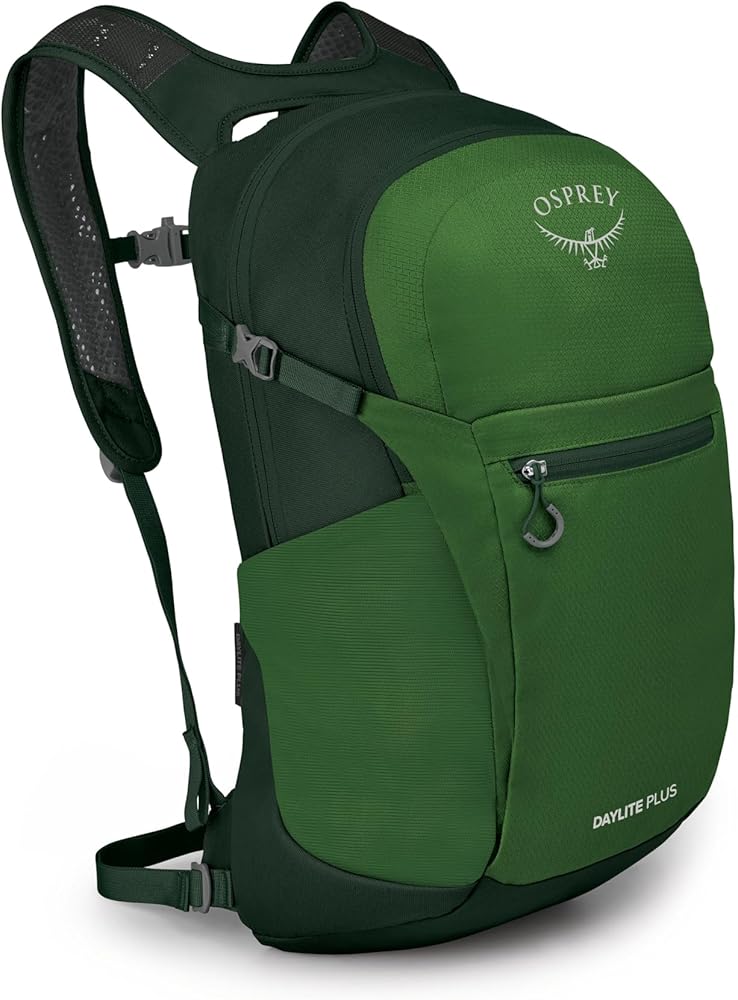
Osprey Daylite Pack
Learning Curve: Easy
$75.00
Difficulty: 1/5
Why Great for Beginners:
The Osprey Daylite is lightweight, simple, and versatile. It can be used as a daypack or attached to larger packs. Its fixed torso length and basic suspension make it very easy to use with minimal adjustments.
✓ Beginner Pros
+Lightweight and compact
+Simple design with one main compartment
+Padded back panel and shoulder straps
+Attaches to larger Osprey packs for future expansion
✗ Beginner Cons
-Fixed torso length may not fit all body types
-No hip belt (only a webbing waist strap)
-Lacks hydration sleeve (but has external bladder pocket)
👍 Best for: Day hikes, travel, and as a summit pack for beginners who want a no-fuss option.
👎 Not for: Overnight trips or hikers needing weight transfer to hips.
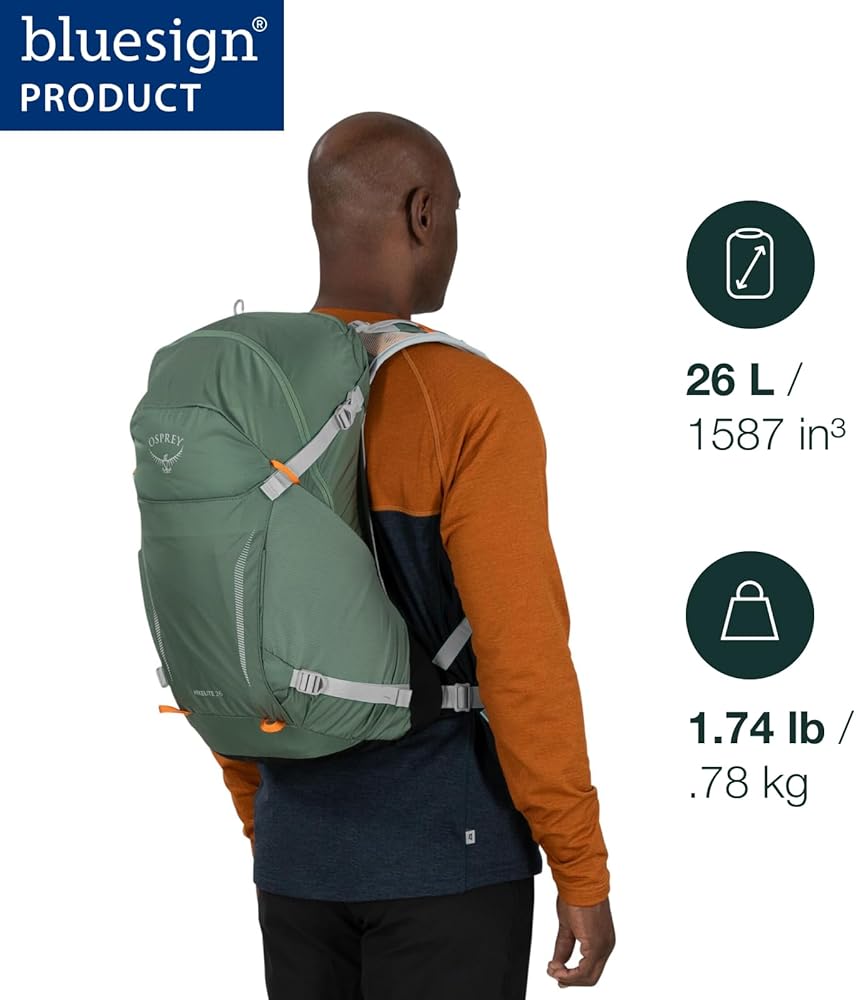
The Hikelite 26L offers a perfect balance of comfort and capacity for day hikes. It features a lightweight internal frame, a padded hip belt, and an adjustable torso, making it beginner-friendly while allowing room for water and layers.
✓ Beginner Pros
+Adjustable torso length for a custom fit
+Padded hip belt transfers weight effectively
+Integrated rain cover
+Hydration sleeve and hose routing
✗ Beginner Cons
-Only 26 liters may be too small for cold weather gear
-No separate sleeping bag compartment
👍 Best for: Day hikers who want a comfortable, feature-rich pack that can handle a variety of conditions.
👎 Not for: Overnight trips or minimalist ultralight enthusiasts.
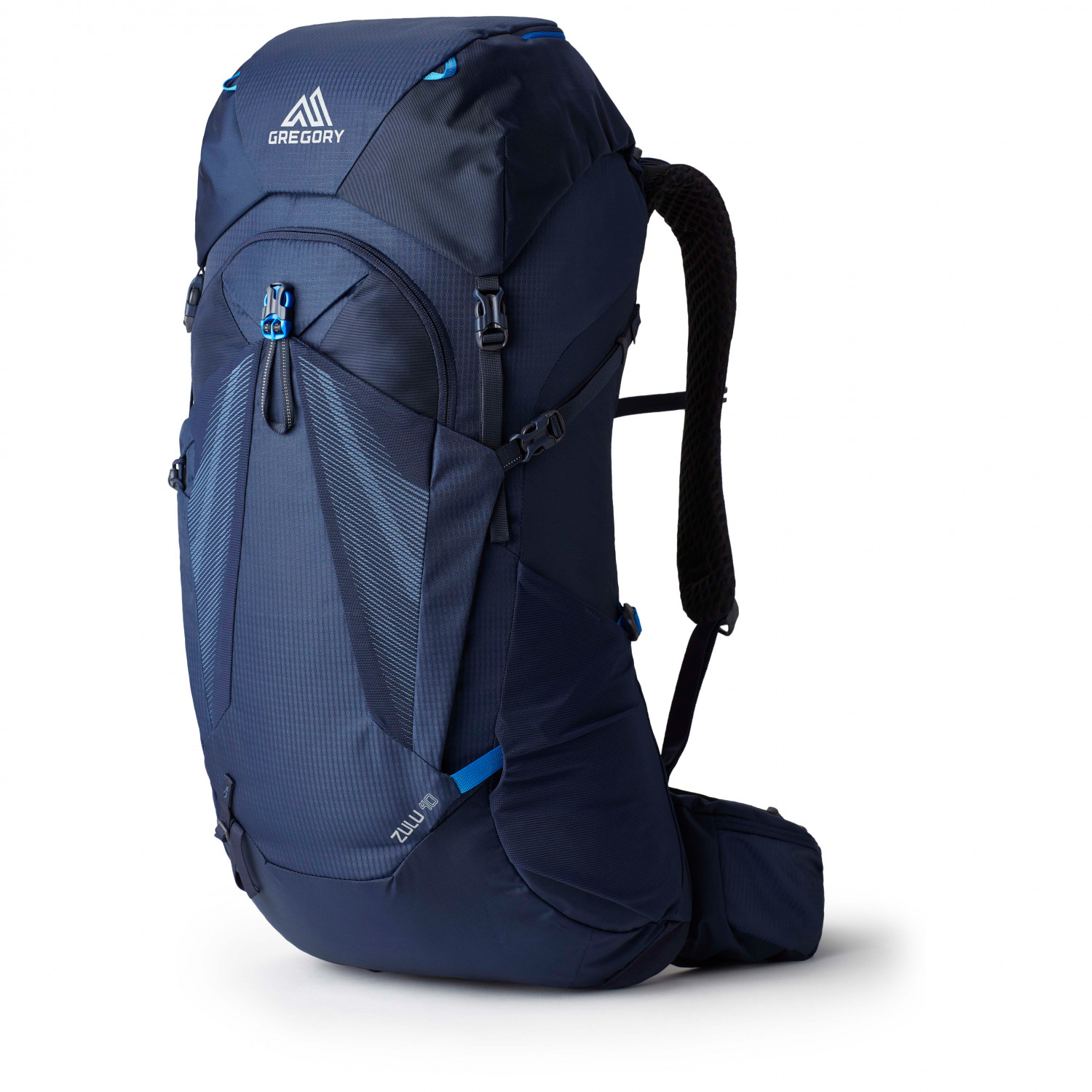
The Gregory Zulu 40 is a versatile pack suitable for day hikes or short overnight trips. Its women's version (Jade) is also available. The free-floating hip belt and ventilated back panel provide excellent comfort for beginners learning to carry moderate loads.
✓ Beginner Pros
+Adjustable torso and hip belt
+Ventilated back panel reduces sweat
+Sleeping bag compartment for overnight gear
+Stowable rain cover
✗ Beginner Cons
-40L may encourage overpacking for day hikes
-Heavier than some daypacks (3 lbs)
👍 Best for: Beginners who want to do occasional overnight trips and need a pack that can grow with them.
👎 Not for: Pure day hikers or those on a tight budget.
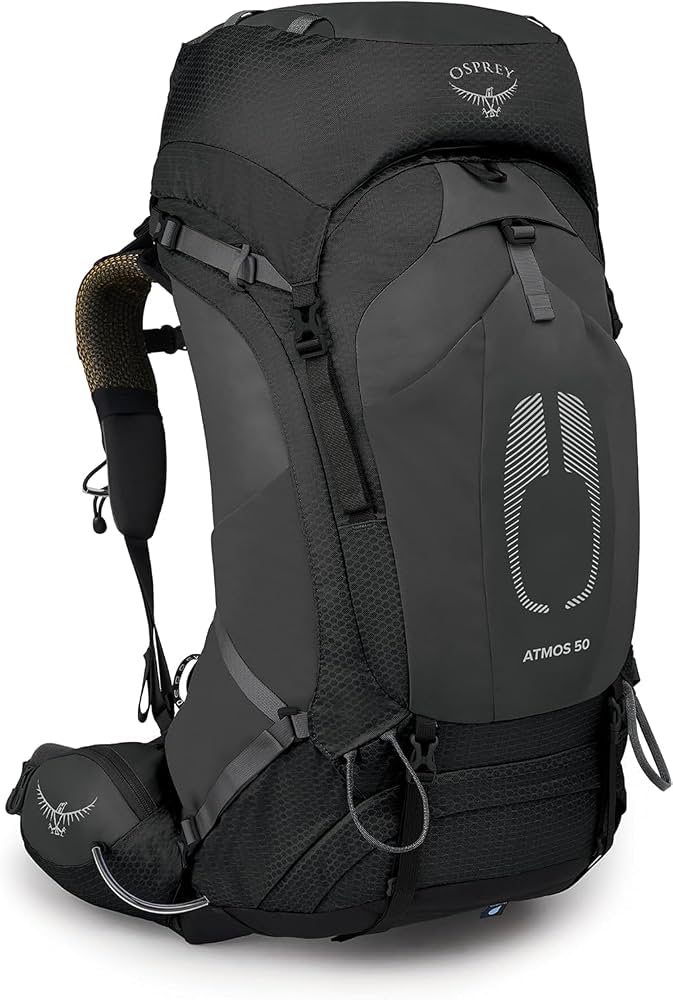
The Osprey Atmos AG 50L is praised for its Anti-Gravity suspension, which creates a breathable mesh back panel and wraps around your body for a weightless feel. It's ideal for beginners planning multi-day trips who want maximum comfort and support without complicated adjustments.
✓ Beginner Pros
+Exceptional weight distribution and comfort
+Ventilated back panel keeps you cool
+Adjustable torso and hip belt
+Integrated rain cover and lots of pockets
✗ Beginner Cons
-Expensive
-50 liters may be more than needed for beginners
-Heavier (over 4.5 lbs)
👍 Best for: Serious beginners who want a high-quality pack for extended trips and don't mind the investment.
👎 Not for: Day hikers or those on a strict budget.
Hiking backpacks range from small daypacks (10-30 liters) to multi-day packs (40-70+ liters). For beginners, a daypack (20-30 liters) is ideal for most hikes, while a 40-liter pack can serve for overnight trips. Internal frame packs are standard now and offer better balance than external frames. Beginner-friendly packs have a fixed or adjustable frame that's pre-curved for comfort. The hip belt is critical—it should sit on your hip bones, not your waist. Pack weight should be carried 80-90% on hips, 10-20% on shoulders. Look for packs that come with a rain cover or have a compatible attachment. Avoid packs with many external pockets as they encourage overpacking and imbalance.
🔧 Essential Accessories for Beginners
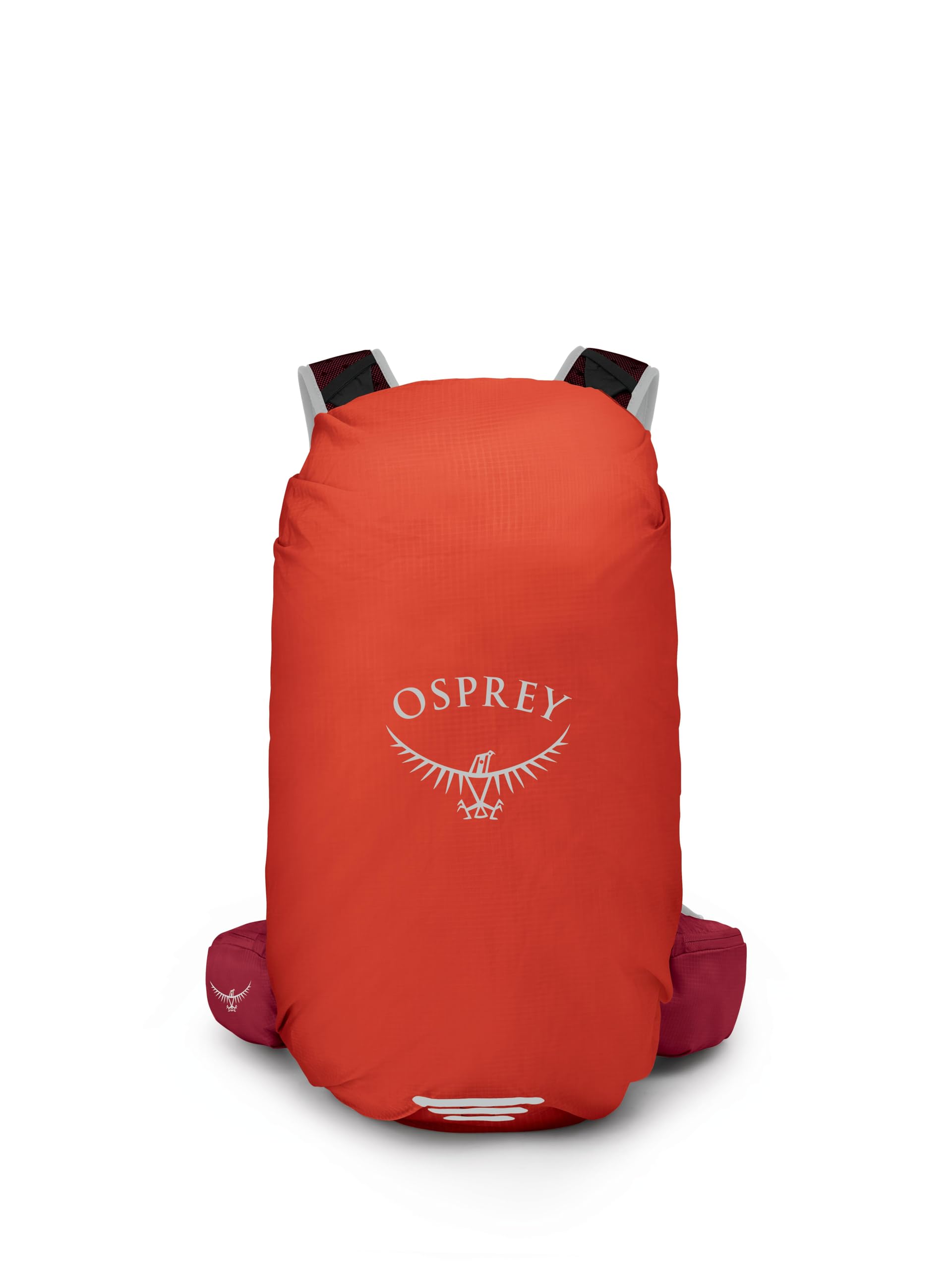
Osprey Rain Cover M/L
⚠️ Essential
$28.00
When to buy:
Day one
A rain cover keeps your gear dry in sudden downpours. Beginners often forget this, leading to wet clothes and spoiled trips. Osprey's cover fits most daypacks and is easy to deploy.
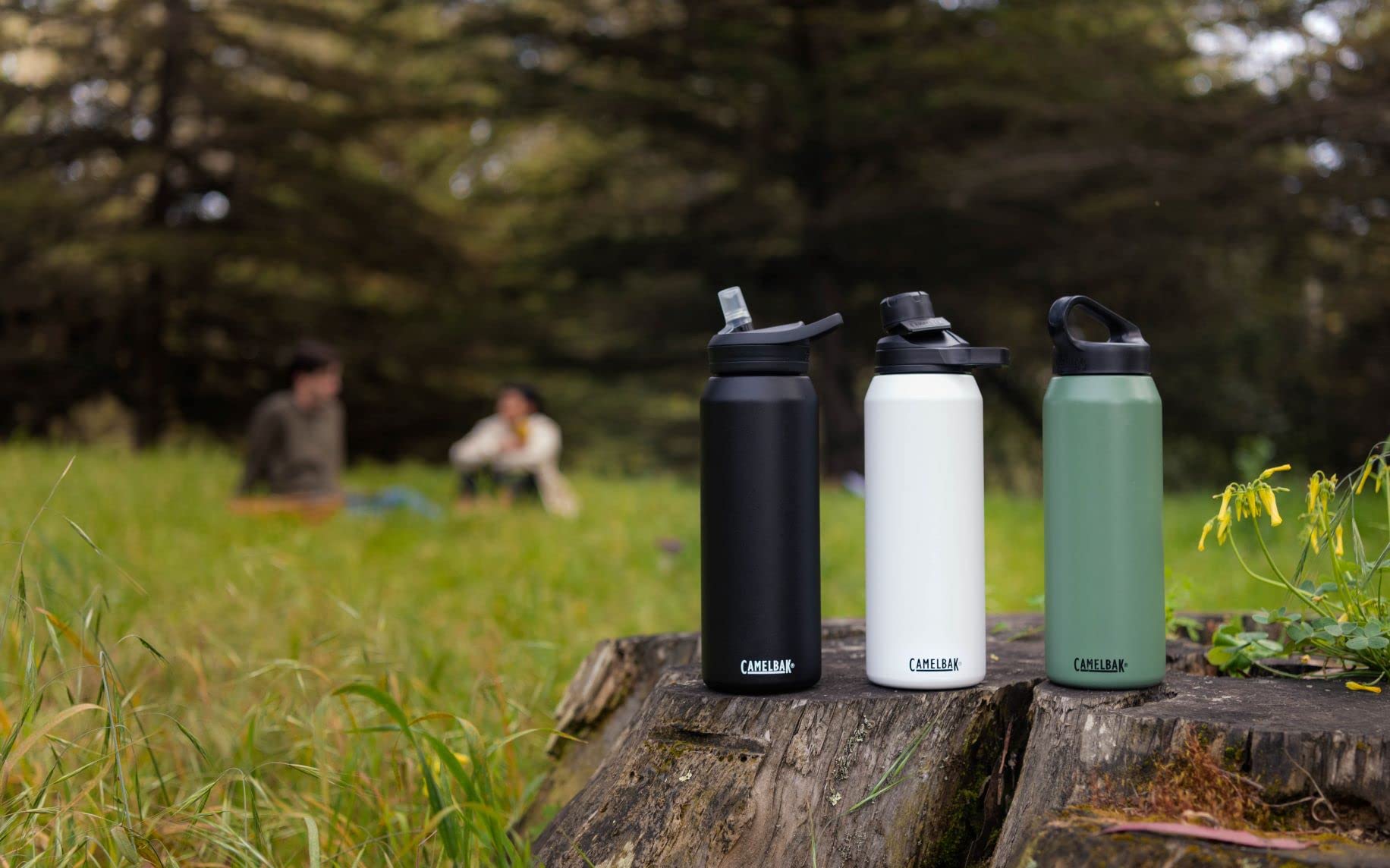
Staying hydrated is key, and a hydration bladder makes drinking effortless without stopping. The Crux 2L fits most hydration sleeves and has a high-flow valve.
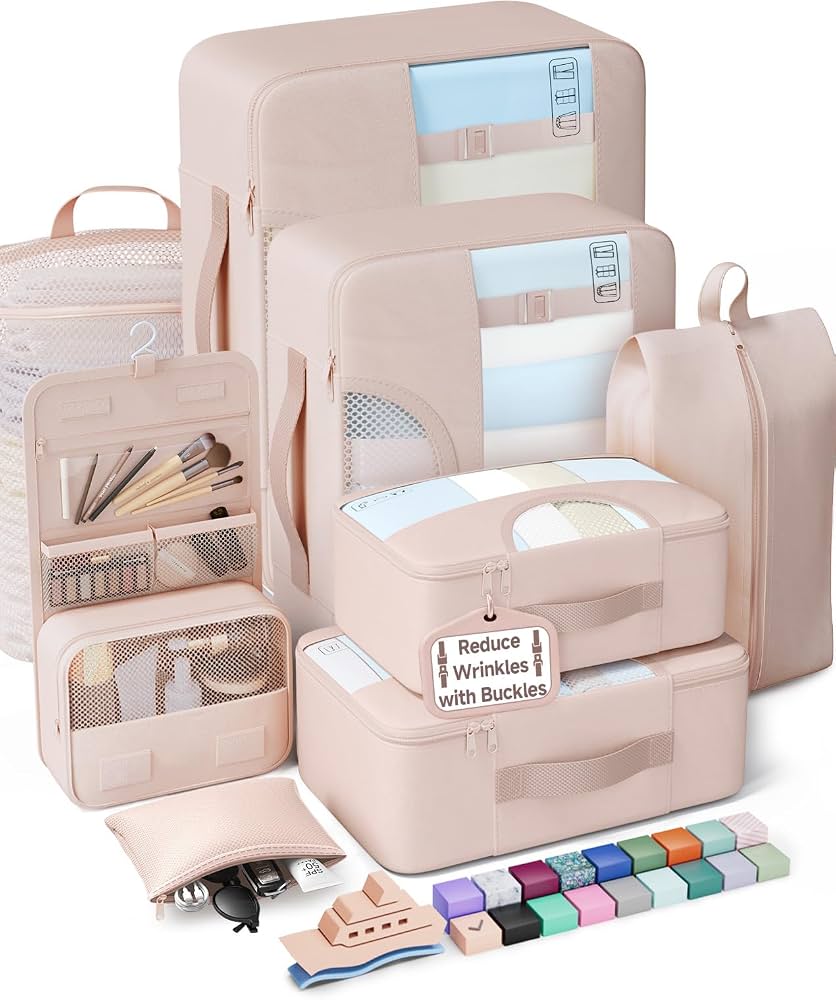
Packing cubes help organize your gear and compress clothes, making it easier to find items and pack efficiently. Beginners often struggle with stuffing everything into one compartment.
Start by asking: What type of hiking do you plan? Day hikes only? Overnight trips? Your answer determines capacity. Then measure your torso length (7th cervical vertebra to iliac crest) to get a properly fitting pack. Most beginner-friendly packs have a universal fit or adjustable torso. Set a realistic budget: you don't need a $300 pack for occasional day hikes. Consider purchasing from Amazon for easy returns and reviews. Red flags: packs that are too heavy empty (over 3 lbs), lack a hip belt, or have complicated ladder adjustment systems without clear instructions.
💰 Budget Guide for Beginners
300+
Professional entry - top-tier comfort and features, ideal for serious new hikers expecting heavy use.
100 - $200
Sweet spot - best value for most beginners, offers decent comfort and durability.
200 - $300
Premium beginner - excellent quality, better suspension and materials, can handle multi-day trips.
Under $ - $100
Entry level - good for day hikes, may lack advanced features, suitable for occasional use.
⚠️ Common Beginner Mistakes to Avoid
Common mistakes include buying a pack that's too large (overpacking leads to weight issues), ignoring torso length, choosing style over function, and skipping the rain cover. Many beginners also buy cheap packs that lack proper suspension, causing back pain, then abandon hiking. Others spend too much on a premium pack for short trails, wasting money. Not testing the pack with a load in-store or ignoring return policies is another pitfall.
×Buying a pack that is too large for short hikes
×Not measuring torso length before purchase
×Choosing a pack without a hip belt
×Overpacking and causing strain
×Ignoring ventilation and sweat management
📈 Your Progression Path: Beginner to Intermediate
Start with day hikes using a 20-30 liter pack. Learn to pack efficiently—heavy items close to your back, lighter items at bottom. Master adjusting straps (hip belt first, then shoulder straps, then load lifters). After 10-20 hikes, you may want to try an overnight trip, requiring a 40-50 liter pack. Signs you've outgrown your beginner pack: you need more capacity, you want more organizational features, or you start doing multi-day treks. Upgrade stepwise: first a better fitting pack, then consider ultralight options.
📚 Learning Resources for Beginners
📖'The Ultimate Hiking Gear Guide' by Andrew Skurka
📖'Day Hiking: A Beginner's Guide' by Karen Berger
📖REI's YouTube video on backpack fitting
📖Amazon's 'Hiking Backpack Size Guide' (search)
🎯 Bottom Line: Our Recommendations
For most beginners, the Osprey Daylite is an excellent budget-friendly choice that can handle day hikes and double as a travel bag. If you plan overnight trips, the Osprey Hikelite 26-38L offers a great balance of comfort and capacity. For those ready to invest in a pack that will last years, the Osprey Atmos AG 50L is our premium pick, with outstanding ventilation and load-carrying ability. Regardless of your choice, get a rain cover and a hydration bladder—they make hiking much more enjoyable. Start small, focus on fit, and you'll build confidence mile by mile.
❓ Frequently Asked Questions
For most beginners, the Osprey Hikelite 26L offers an excellent balance of comfort, features, and price. For budget-conscious day hikers, the Osprey Daylite is a great entry-level choice. If you plan overnight trips, consider the Gregory Zulu 40 or Osprey Atmos AG 50L for premium comfort.
You can find a decent beginner pack for under $100 (e.g., Osprey Daylite). For a pack that will serve you well for years, budget $100-$200. Premium packs that are very comfortable and durable range from $200-$300. It's wise to invest in quality, but avoid overspending if you hike only occasionally.
Key features: adjustable torso length, padded hip belt, sternum strap, hydration sleeve, and a rain cover (or compatibility). Avoid packs with too many compartments or complicated load-lift systems. A simple, comfortable design is best.
The Osprey Daylite is extremely easy to use due to its simple design and lightweight. The Osprey Hikelite is also very beginner-friendly with an adjustable torso and padded hip belt, making it comfortable without complex adjustments.
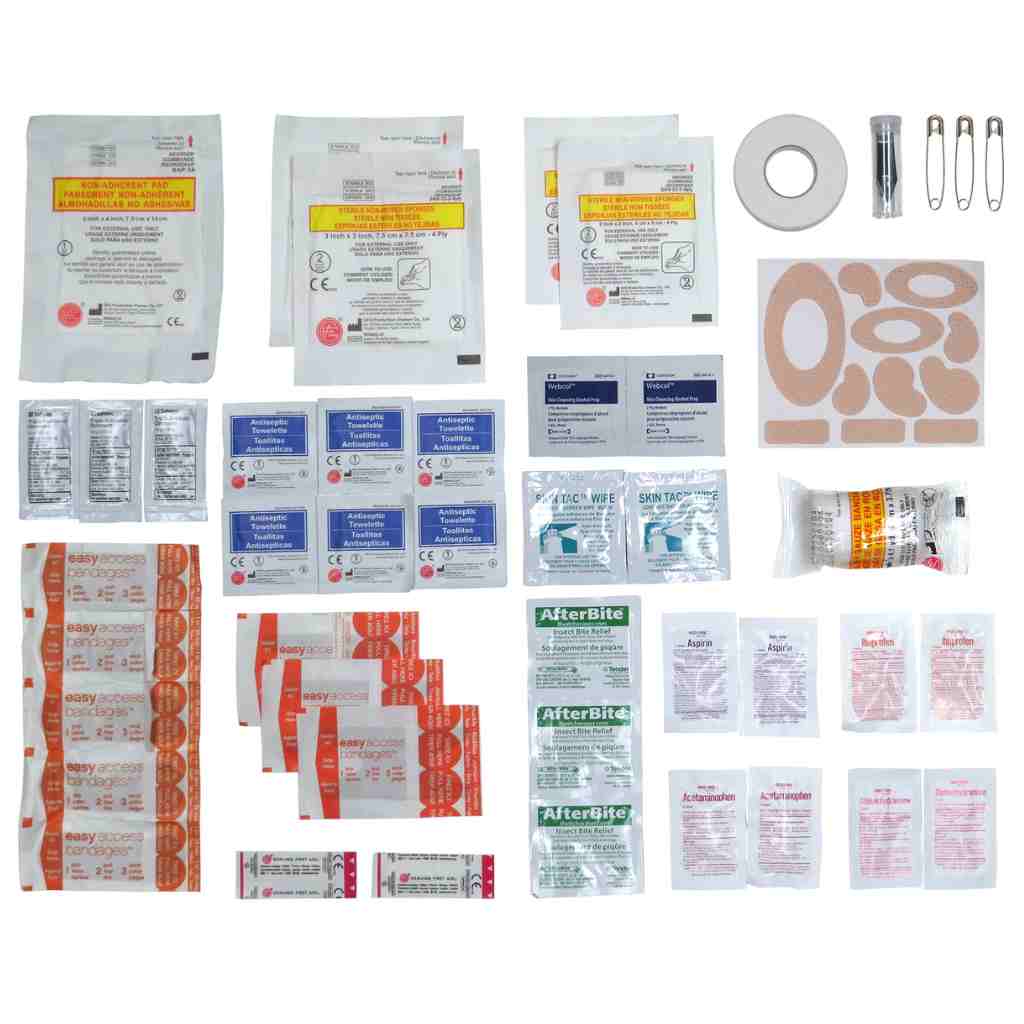
Essential: a rain cover, hydration bladder, and a first aid kit. Highly recommended: packing cubes for organization. Optional: trekking poles (if you plan to use them) and a pack liner for extra waterproofing.
First, decide if you'll only do day hikes or also overnight trips. Then measure your torso length. Set a budget based on your frequency of use. Look for packs with a padded hip belt and good reviews regarding comfort. Always check the return policy.
Not if you learn a few basics. Most packs have adjustable torso lengths. You can measure your torso at home (7th cervical to iliac crest). The hip belt should sit on your hip bones, not your waist. Load the pack with weight and adjust straps: hip belt first, then shoulder straps, then load lifters.
Common mistakes: buying a pack that's too large, ignoring torso length, skipping a rain cover, overpacking, and not testing the pack with weight. Also, failing to adjust straps correctly leads to discomfort.