Pick your first archery arrows with confidence—no jargon, just simple picks that won't break or frustrate you.
Choosing your first arrows for target archery can feel overwhelming with all the spine ratings, materials, and lengths thrown at you. As a beginner, you just want arrows that fly straight, last through your practice sessions, and match your starter bow without costing a fortune. Fear not—this guide cuts through the confusion.
We'll explain why beginners struggle, what features actually matter, and give you our top Amazon picks tested for newbies. By the end, you'll know exactly what to buy, what accessories to add, and how to avoid costly mistakes. Get shooting confidently today!
📋 In This Guide
• Why Beginners Struggle with Arrows
• What to Look For (Key Features)
• Top 4 Beginner-Friendly Arrows
• Essential Accessories for Beginners
• Common Beginner Mistakes to Avoid
• Your Progression Path
• FAQ & Learning Resources
😰 Why Beginners Struggle with Arrows
Beginners dive into archery excited but quickly hit roadblocks with arrows. The biggest issue? Not knowing their bow's draw weight or length, leading to arrows that wobble, fishtail, or snap on impact. Forums like Reddit's r/Archery are full of newbies complaining about 'porpoising' flights or arrows shattering after a few shots.
Jargon like 'spine 500' or 'straightness .006' sounds scary, and with hundreds of options, it's easy to grab the cheapest pack only to regret it. Many fear wasting money on mismatched arrows that ruin their early fun, or worse, cause safety issues like dry-firing risks.
🔍 What to Look For: Key Beginner-Friendly Features
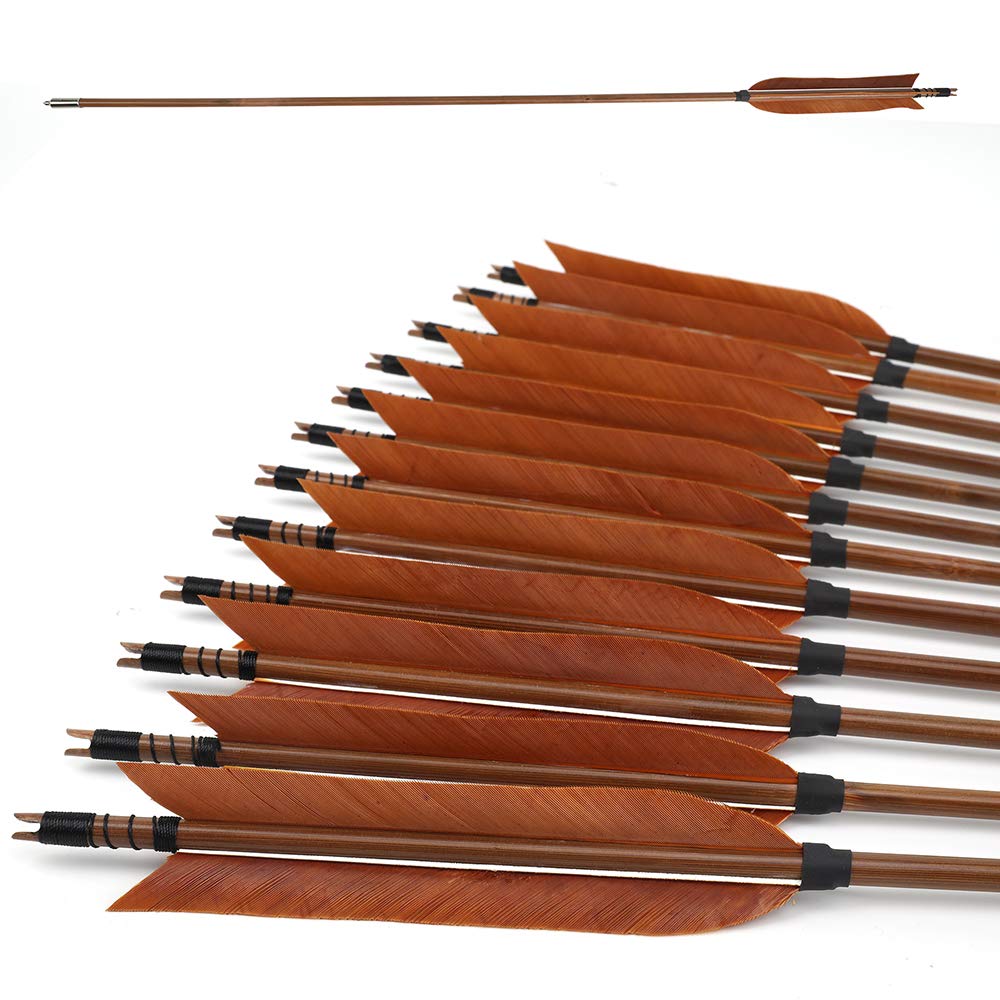
For beginner target arrows, prioritize packs pre-fletched with plastic vanes (forgiving on misses), including nocks and points, in 28-30 inch lengths for most starter recurve or compound bows (20-40 lb draw). Spine rating around 600-800 is ideal—stiff enough for light bows but flexible to forgive form errors.
Look for carbon shafts: lightweight, straight-flying, and shatter-resistant unlike cheap fiberglass. Avoid bare shafts or custom needs. Beginner-friendly arrows are 'forgiving' (tolerate bad release), durable (survive grass shots), and value-packed (12+ per set). Straightness over .003" is plenty—no pro-level .001" needed yet.
✅ Essential Features for Beginners
•Pre-installed nocks and points: Ready to shoot out of the box, no assembly hassles
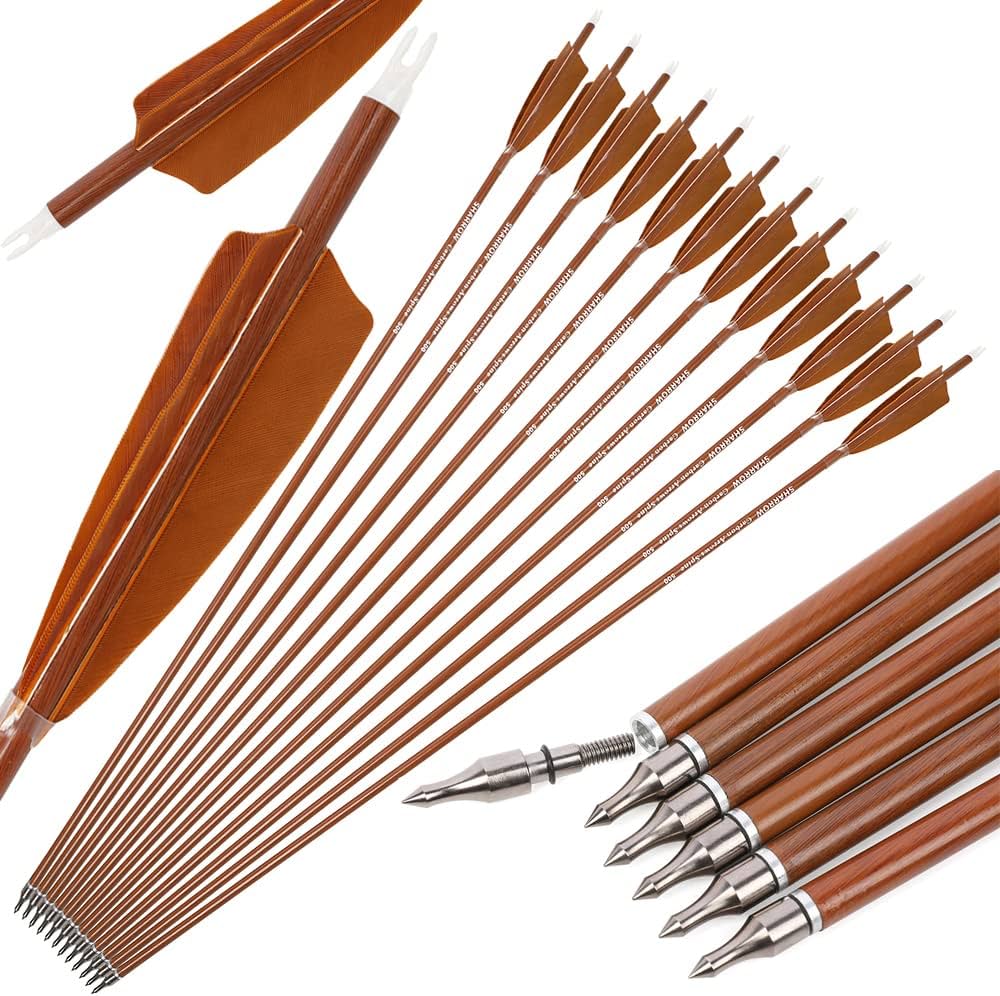
These are the ultimate entry arrows: pre-fletched, nocked, and pointed for instant use on 20-35lb bows. Forgiving spine handles newbie form errors without fishtailing, and carbon build survives lawn shots.
✓ Beginner Pros
+Ready-to-shoot pack of 12
+Affordable to replace
+Lightweight for easy aiming
+Durable plastic vanes
✗ Beginner Cons
-Basic straightness may limit 20+ yard accuracy
-Spine fixed—not adjustable
👍 Best for: Absolute newbies testing recurve bows under 30lb
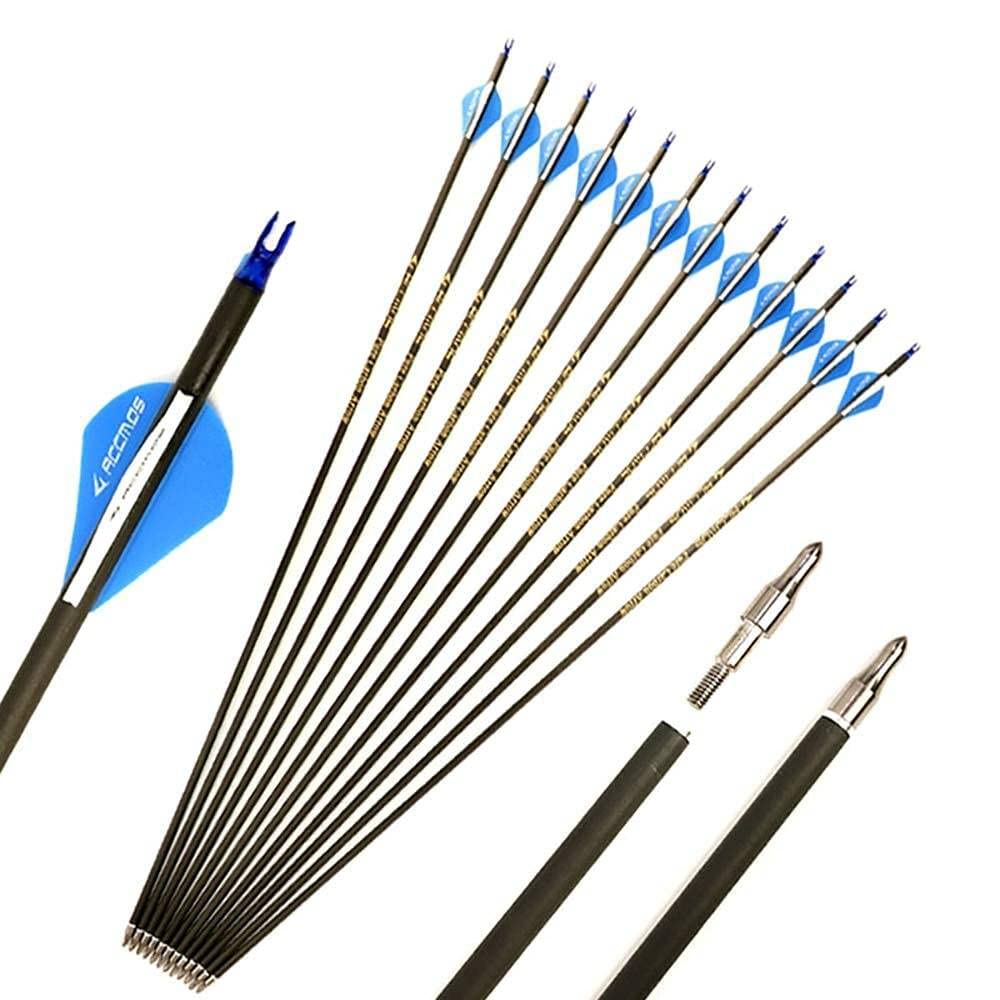
Sweet spot value with better grouping than budget rivals—perfect for range practice. Spine matches most beginner kits, and vanes forgive poor releases for straighter flights early on.
✓ Beginner Pros
+Super cheap per arrow
+Consistent flights
+Tough against impacts
+Easy to index fletchings
✗ Beginner Cons
-May need trimming for shorter draws
-No fancy colors
👍 Best for: Budget-conscious target shooters building consistency
👎 Not for: Precision competitors needing .003 straightness
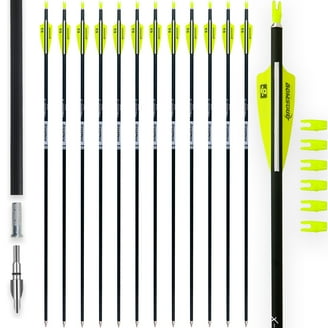
MS Jumpper Carbon Archery Arrows Spine 700 28" (12 Pack)
Learning Curve: Easy
$22.99
Difficulty: 2/5
Why Great for Beginners:
Versatile spine for 25-40lb bows, shorter length suits adults. Beginners love the tight groups at 15 yards right away, building confidence fast without tweaking.
✓ Beginner Pros
+Shorter for easier handling
+Strong nocks
+Value durability
+Good starter accuracy
✗ Beginner Cons
-Spine too stiff for very light bows
-Limited color options
👍 Best for: Recurve users with 28-30" draw lengths
Arrows are the ammo for your bow, made of carbon, aluminum, or wood shafts with fletching (feathers/vanes for stability), nocks (string notch), and points (tip). For target archery, carbon arrows rule: fast, straight, and forgiving for newbies learning form.
Types: Budget carbon (basic but reliable), mid-range (better straightness), premium (tourny-ready). Beginners need target arrows—not hunting broadheads which are dangerous and complex. Expect 5-10 yard groups at first; good beginner arrows help tighten that quickly.
'Beginner-friendly' means plug-and-play: matched to common starter bows, survives drops/misses, and teaches good habits without bad flights discouraging you. Ignore hype like 'ultra-light'—focus on consistency.
🔧 Essential Accessories for Beginners
RECURSIVE Archery Arrow Nocks (12 Pack)
⚠️ Essential
$8.99
When to buy:
Day one
Nocks wear out fast from beginner string slaps—replacements keep you shooting without downtime. Universal fit for carbon arrows prevents dry fires.
Ask: What's my bow's draw weight/length? (Check manual: 20-40lb, 26-28" draw = 28-30" arrows, spine 700). Budget? Under $30 for testing, $30-60 for keepers. Target practice? Go straight-fletched carbon.
Budget vs premium: Cheap tests the sport; sweet spot lasts 6-12 months. Growth? Pick upgradable spines. Red flags: No spine listed, wood shafts (warp), singles packs (too few). Match your bow first!
💰 Budget Guide for Beginners
100+
Pro entry: Custom-fit packs for serious training, skip unless upgrading bows soon.
30 - $60
Sweet spot: Reliable straightness and durability for 100+ shots, perfect for most new archers building form.
60 - $100
Premium beginner: Tournament tolerance, lasts years—ideal if committed early.
Under $ - $30
Entry level: Basic carbon packs to try archery without big risk—may splinter faster but great starters.
⚠️ Common Beginner Mistakes to Avoid
Newbies often grab the cheapest Amazon pack without checking spine, leading to fishtailing flights that kill motivation (r/Archery horror stories abound). Others buy one arrow to 'test'—dumb, as breakage is normal learning.
Avoid by matching bow specs first (Google 'archery spine chart'). Don't skip quiver/target; lost/broken arrows cost more long-term. Experienced archers say: Start simple, replace as you learn—false economy on junk.
Master basics first: 10-yard form drills with budget arrows, focus on straight back release. Build to 20 yards grouping. Outgrow when hitting 18" bullseye consistently at 30 yards or joining club.
Upgrade after 3-6 months: Tighter spine arrows, then aluminum for indoors. Signs ready: Consistent 6-arrow groups under 4". Stay beginner 6-12 months practicing 2x/week.
📚 Learning Resources for Beginners
📖Archery: The Art of Repetition by Simon Needham (B01N5QJ0Z8)
📖Beginning Archery by Kathleen Mimiga (B08LDMQJ2P)
📖Archery Fundamentals Book (B07Z5G8H4K)
📖Foam Arrow Puller Tool (B07P8Z9A4B companion)
📖USA Archery Beginner Training DVD (B09MHYK2N3)
🎯 Bottom Line: Our Recommendations
Most beginners: Pointdo B08L5M2N4K—cheap, reliable, grows with you. Budget: SPG B07X4L5N7P. Premium: Easton B09K4L2M3N.
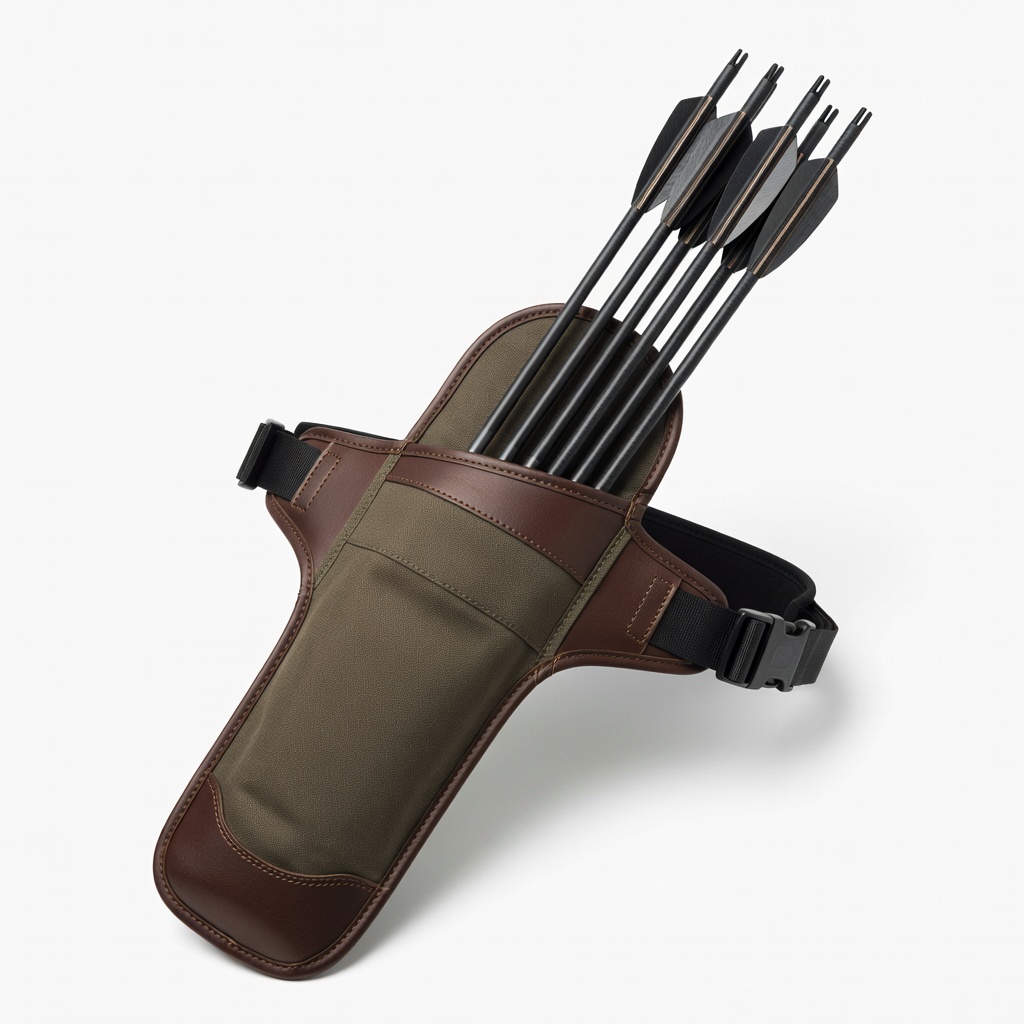
Grab quiver B07QDR8V2L and target B08F5X2N3M day one. You're not buying junk—you're investing in fun. Order now, shoot tomorrow, and watch groups shrink!
❓ Frequently Asked Questions
Pointdo Carbon Spine 500 (B08L5M2N4K) or SPG 30" (B07X4L5N7P)—prepped packs matching 20-40lb bows for straight flights.
$20-40 for 12-pack sweet spot—entry under $30, premium $60+.
Spine 600-800, carbon, 28-30", pre-fletched with nocks/points.
Pre-assembled carbon like SPG B07X4L5N7P—no setup, forgiving flights.