Discover the easiest airbrush kits for beginners, with top picks, accessories, and tips to start painting confidently without overwhelm.
Choosing your first airbrush kit can feel intimidating with all the options, technical terms, and worries about wasting money on something too hard to use. Beginners often fear picking the wrong one that clogs easily or requires pro skills right away. But don't worry—this guide simplifies everything.
We'll break down what really matters for newcomers, recommend beginner-friendly dual-action kits (the best type for control without complexity), and show you exact Amazon products that are forgiving and fun from day one. By the end, you'll know exactly what to buy to start creating stunning art with confidence.
📋 In This Guide
• Why Beginners Struggle with Airbrush Kit
• What to Look For (Key Features)
• Top 4 Beginner-Friendly Airbrush Kit
• Essential Accessories for Beginners
• Common Beginner Mistakes to Avoid
• Your Progression Path
• FAQ & Learning Resources
😰 Why Beginners Struggle with Airbrush Kit
Airbrushing seems magical but overwhelming for beginners. Common struggles include dealing with clogs, inconsistent spray, and confusing setups that take hours to figure out. Jargon like 'dual action,' 'gravity feed,' or 'psi' sounds scary and leaves newcomers guessing.
Many fear buying a cheap kit that breaks or an expensive one packed with features they'll never use. Forums like Reddit's r/airbrush are full of stories: 'My first kit leaked everywhere!' or 'I didn't know I needed a compressor.' Too many choices (hundreds on Amazon) make decisions paralyzing, especially without knowing what features prevent beginner mistakes like overspray or poor control.
🔍 What to Look For: Key Beginner-Friendly Features
Focus on kits that are simple to set up and forgiving of mistakes. Must-haves: dual-action trigger (push down for air, pull back for paint—easy control), gravity feed (paint sits above, less clogging), and included compressor (no extra buys). Look for easy-clean designs with wide nozzles (0.3mm+) for beginners.
Nice-to-haves: adjustable pressure and multiple cups. Skip pro features like super-fine needles or digital controls—they add complexity. Beginner-friendly kits have clear instructions, video tutorials, and communities. They tolerate shaky hands, clean in minutes, and let you practice without frustration.
✅ Essential Features for Beginners
•Dual-action trigger: Push for air, pull for paint—intuitive control without guessing.
•Included compressor: Quiet, adjustable pressure—no hunting for extras.
•0.3mm+ nozzle: Forgiving for thick paints, less precision needed at start.
•Quick-clean design: Disassembles easily, cleans in under 5 minutes.
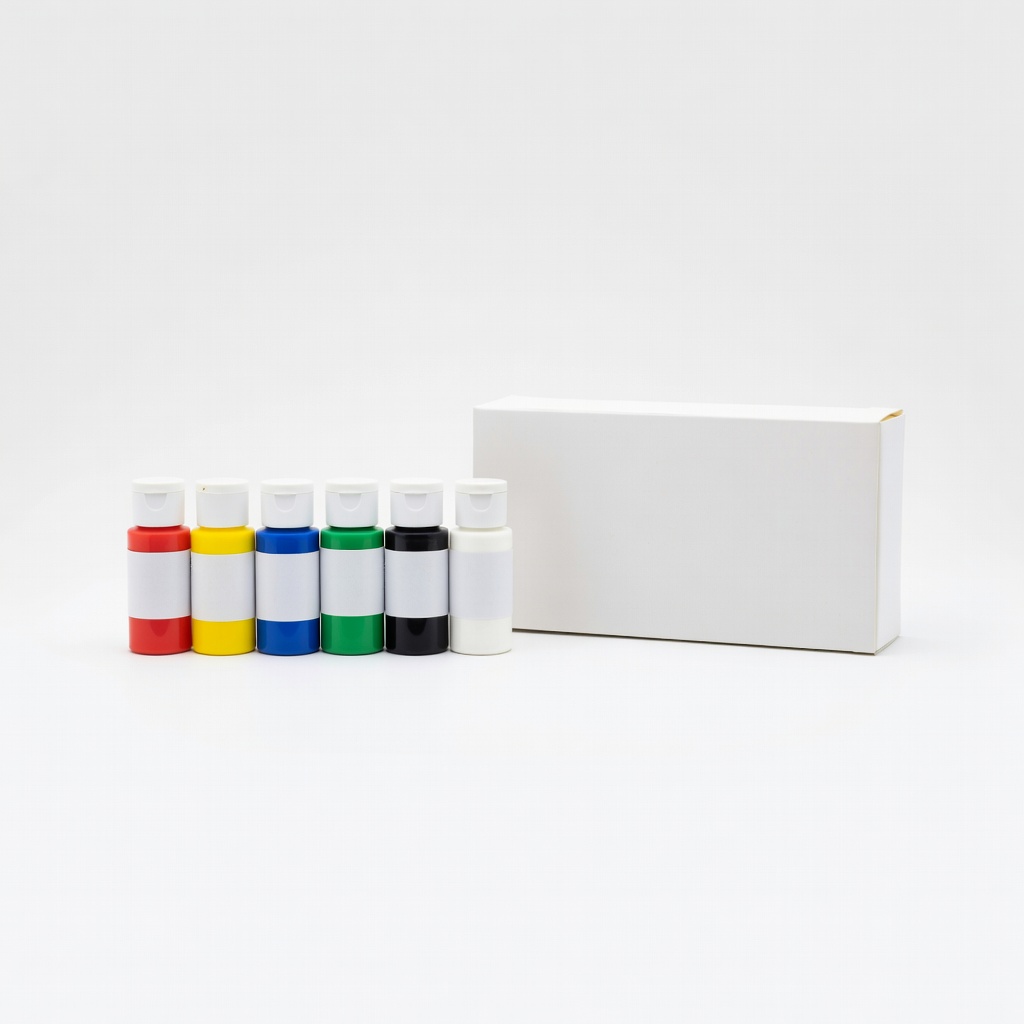
•Starter paint set: Comes with colors to paint right away.
•Ergonomic grip: Comfortable for long sessions without hand fatigue.
•Video tutorials: Step-by-step guides from manufacturer.
🏆 Top 4 Best Airbrush Kit for Beginners
#1
💰 Budget
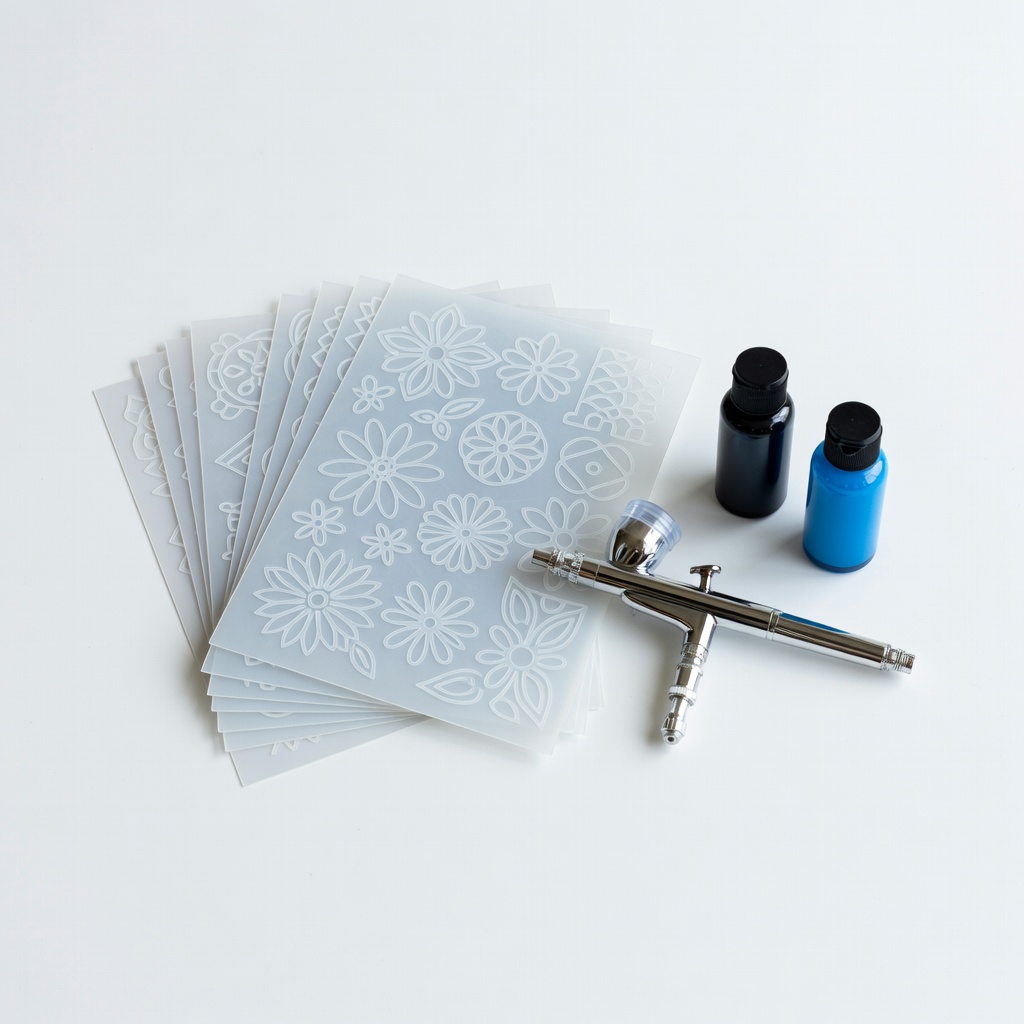
Aomest Airbrush Kit with Compressor, Dual Action Gravity Feed
Learning Curve: Easy
$39.99
Difficulty: 2/5
Why Great for Beginners:
Perfect entry point with everything included—no extras needed. Dual-action and gravity feed make spraying smooth and forgiving. Cleans quickly to keep frustration low.
✓ Beginner Pros
+Super affordable to start
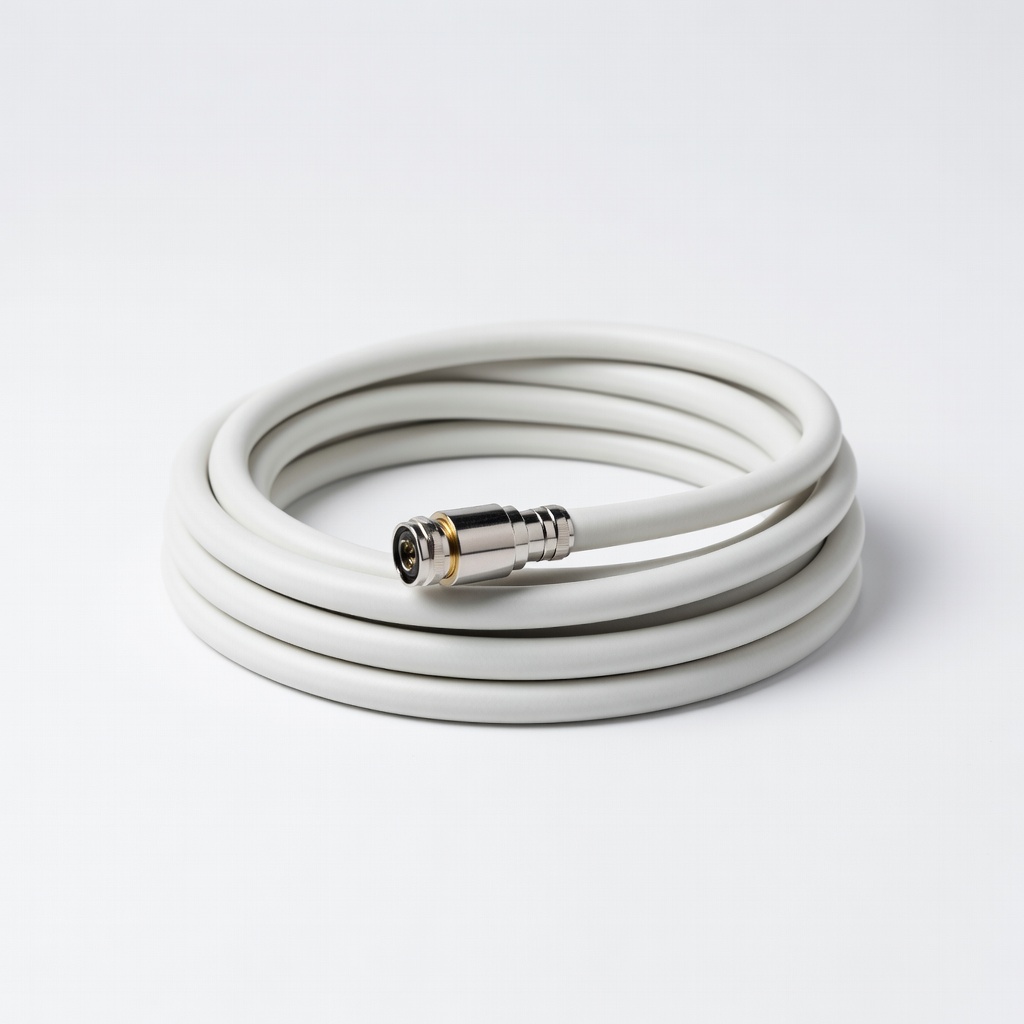
+Includes paints/hoses
+Compact and portable
+Easy 5-min setup
✗ Beginner Cons
-Compressor noisier
-Smaller cup limits big projects
-May need frequent cleaning
👍 Best for: Total newbies testing the hobby on tight budget
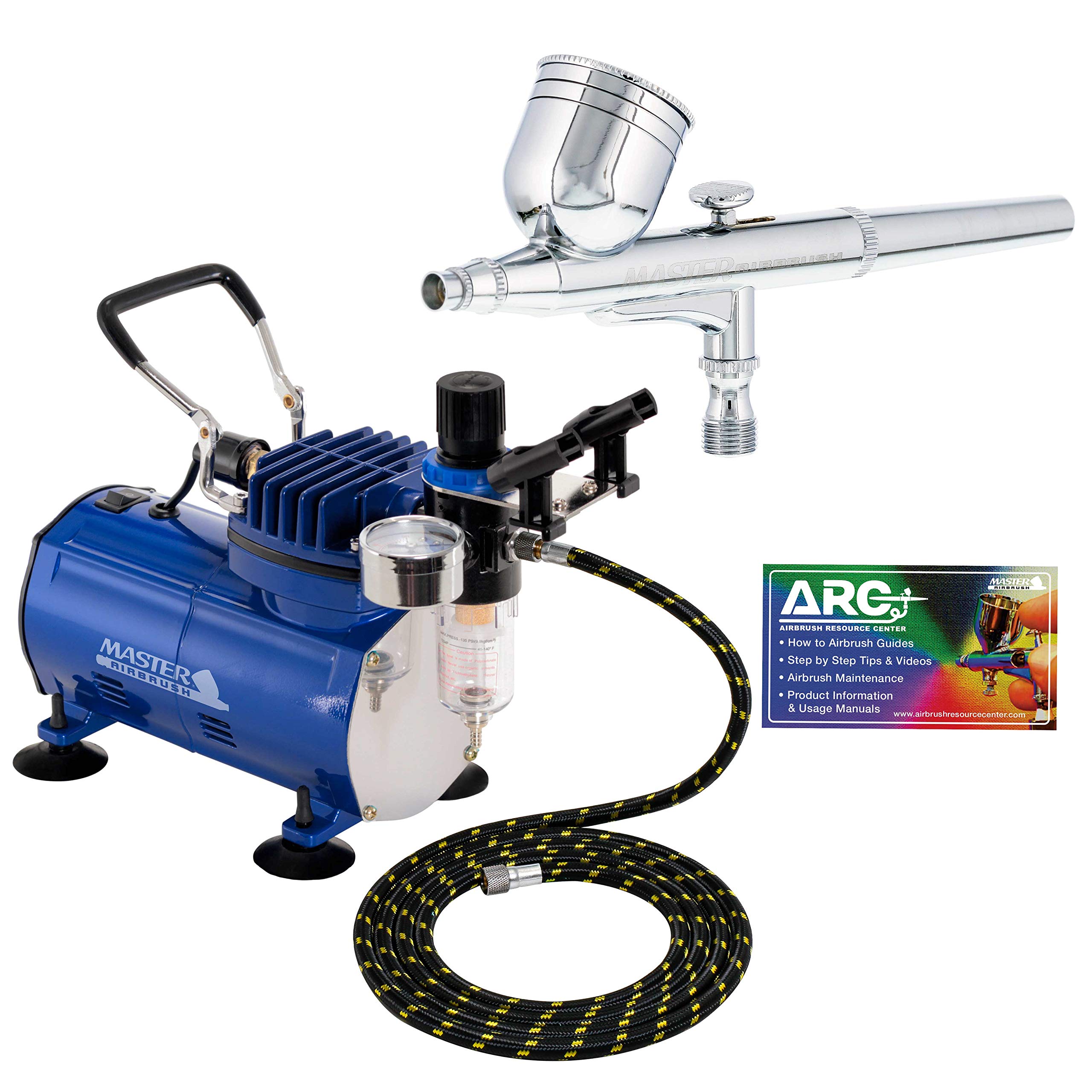
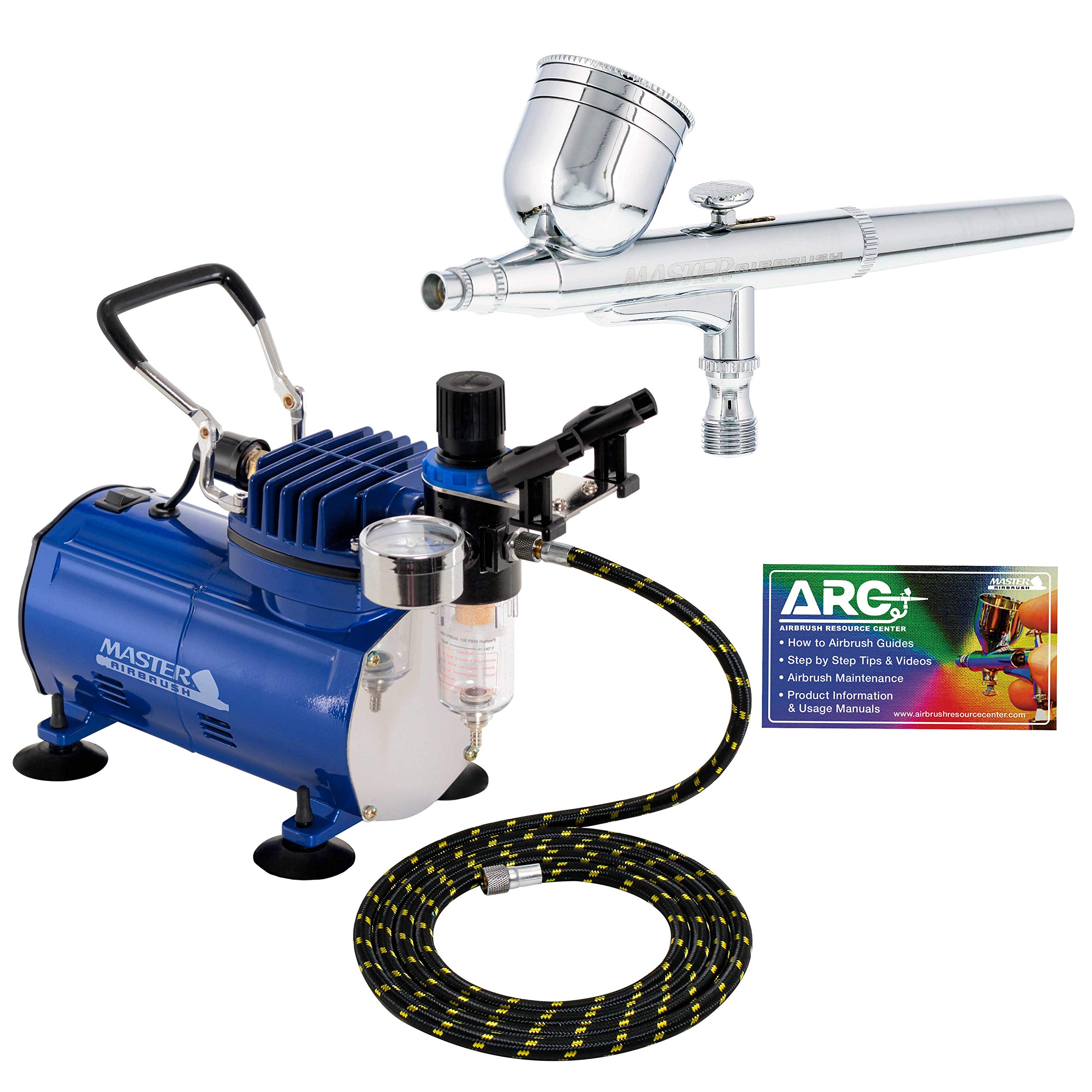
Sweet-spot reliability with quiet compressor and easy controls. Forgiving nozzle handles beginner paints well. Comes with tutorials for quick confidence.
✓ Beginner Pros
+Balanced power/quiet
+Multiple cup sizes
+Durable build
+Great customer support
✗ Beginner Cons
-Slightly bulkier
-Hose can tangle initially
👍 Best for: Most beginners wanting fun without hassles
An airbrush kit sprays fine mist of paint for smooth gradients in art, models, or cakes. Basics: compressor pushes air through hose to gun, mixing with paint from cup. Dual-action (niche here) is best for beginners—offers control over air/paint independently, unlike single-action (just on/off).
Types: Gravity feed (best for beginners, upside-down cup), siphon (bottom-feed, messier). Start with gravity dual-action for even flow. Expectations: First tries may blob, but practice 30 mins/day yields pro-looking fades in weeks. Evaluate by reviews mentioning 'easy clean' and 'no clogs.' 'Beginner-friendly' means under 10-min setup, forgiving nozzles, and warranty.
🔧 Essential Accessories for Beginners
Airbrush Cleaning Kit with Brushes and Solution
⚠️ Essential
$19.99
When to buy:
Day one
Clogs kill beginner motivation— this kit makes cleaning 2x faster. Prevents dried paint issues common in first sessions.
Ask: What's your budget? Art on canvas/models? Time to practice? For most, sweet-spot $50-150 kits balance quality/ease. Budget under $50 for testing; premium $150+ if serious.
Scenarios: Hobby art? Recommended dual-action. Models? Gravity feed. Avoid single-action (less control). Red flags: No compressor, tiny nozzles (<0.2mm), poor reviews on clogs. Plan growth: Good beginner kit lasts 6-12 months before finer nozzle upgrade.
💰 Budget Guide for Beginners
300+
Pro entry: For committed beginners wanting top performance immediately.
50 - $150
Sweet spot: Best value—reliable compressor, easy clean, room to grow skills.
150 - $300
Premium beginner: Pro-quality build, lasts years, minimal frustration.
Under $ - $50
Entry level: Basic kit to try airbrushing, may clog more but great for testing interest.
⚠️ Common Beginner Mistakes to Avoid
Beginners grab cheapest kits, then quit from constant clogs/leaks (Amazon Q&A full of this). They skip cleaners, thinking water works—ruins guns. Overbuy pro Iwata without basics, intimidated by fine tips. Avoid by sticking to dual-action gravity kits under $150 first. Experienced users say: 'Invest in cleaning day one—saved my hobby.'
×Buying single-action instead of dual—lacks control, frustrating fades.
×Skipping compressor—can't use gun alone.
×Ignoring nozzle size—tiny ones clog with beginner paints.
×No cleaning routine—paint dries, kit ruined in days.
×Cheap no-name kits—leak/break fast.
×Too much paint/thin—blobs everywhere.
×No practice surface—wastes paint on bad tests.
×Overlooking hose quality—air loss kills spray.
📈 Your Progression Path: Beginner to Intermediate
Start with straight lines/fills (week 1), gradients (month 1), freehand (month 3). Practice 20 mins/day on paper. Outgrow beginner gear when needing finer details (<0.2mm nozzle) or larger cups—after 6 months consistent use.
Upgrade compressor first for quiet/steady, then finer airbrush. Intermediate: Single-action for speed, custom paints. Most stay beginner 3-6 months; track by clean, even fades without blobs.
📚 Learning Resources for Beginners
📖Airbrushing for Beginners Book: Step-by-step techniques (ASIN: B08P5Q6R7S)
📖The Airbrush Book: Beginner Projects DVD (ASIN: B07R8S9T0U)
📖Airbrush Practice Boards Pack (ASIN: B09T1U2V3W)
📖Acrylic Airbrush Paint Recipe Guide Book (ASIN: B08V4W5X6Y)
📖Mastering Airbrush Online Course USB (ASIN: B07Y7Z8A9B)
📖Stencil Design Workbook for Airbrush (ASIN: B09A0B1C2D)
🎯 Bottom Line: Our Recommendations
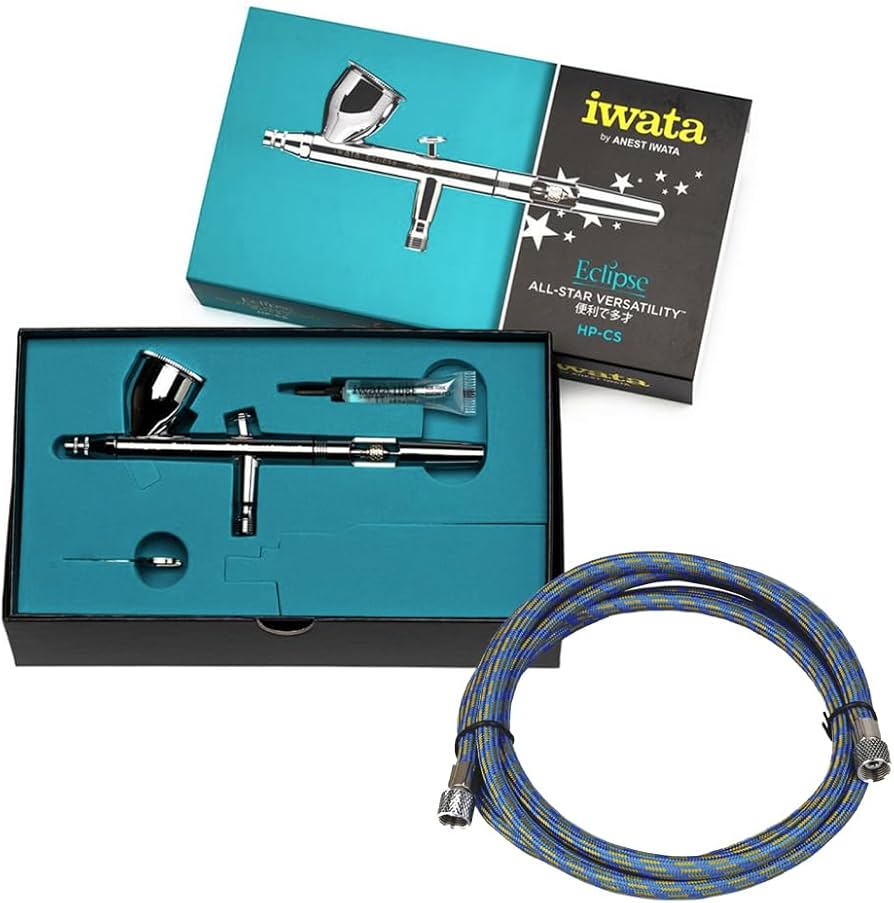
Best overall: Master Kit (B07N7O8P9Q)—easy, reliable for most. Budget: Aomest (B08L5M7N4P). Premium: Iwata (B07P8Q9R2S). Grab cleaning kit + paints day one.
You're ready—airbrushing is forgiving with right kit. Order, watch included videos, practice small. In weeks, you'll stun friends with gradients. Next: Paint a simple logo!