Everything beginners need to know to choose their first acrylic paint set with confidence and start painting right away.
Picking your first acrylic paint set can feel intimidating—endless brands, color counts, and confusing terms like 'student grade' or 'pigment quality' make it hard to know where to start. As a complete beginner, you might worry about wasting money on something too basic or too advanced, or ending up with paints that dry too fast or don't mix well. The good news? Acrylic paints are one of the most forgiving mediums for newcomers because they dry quickly, clean up with water, and work on almost any surface.
This guide cuts through the confusion with simple advice tailored for total beginners. We'll explain what really matters, share top Amazon picks across budgets, and help you avoid pitfalls so you can grab your set, open the box, and paint your first masterpiece feeling excited, not overwhelmed. By the end, you'll have a clear plan and the confidence to create.
📋 In This Guide
• Why Beginners Struggle with Acrylic Paint Set
• What to Look For (Key Features)
• Top 4 Beginner-Friendly Acrylic Paint Set
• Essential Accessories for Beginners
• Common Beginner Mistakes to Avoid
• Your Progression Path
• FAQ & Learning Resources
😰 Why Beginners Struggle with Acrylic Paint Set
Beginners often feel lost because acrylic paint sets come in dozens of varieties—some with 12 colors, others 100+, tubes vs. jars, and prices from $10 to $100. Without knowing basics, you might pick a set that's too watery (poor coverage) or too pro-level (expensive and intimidating). Forums like Reddit's r/AcrylicPainting are full of newbies frustrated by 'chalky' paints or sets missing essentials like brushes.
Jargon scares people off: terms like 'lightfastness' (how colors fade) or 'opacity' (how solid the color is) sound technical, but beginners just want paints that blend easily and don't crack. The fear of 'buying wrong' is huge—many hesitate, buy nothing, or grab the cheapest option and quit after one bad session. Overwhelming Amazon search results (thousands of sets) make it worse, leaving you paralyzed by choice.
🔍 What to Look For: Key Beginner-Friendly Features
Focus on student-grade paints: they're affordable, pigmented enough for learning, and forgiving for mixing mistakes. Look for sets with 24-50 colors (covers basics without overwhelm), tubes (easier to squeeze/control than jars), and non-toxic labels (safe for home use). Beginner-friendly sets include extras like brushes or a palette to get you painting day one—no extra shopping needed.
Nice-to-haves: opaque colors (hide mistakes well) and a color wheel chart for mixing. Skip artist-grade (too pricey, intense) or sets under 12 colors (limits creativity). Prioritize sets with 4+ star reviews from beginners mentioning 'easy to use' and 'great starter.' These tolerate watery mixes, dry evenly, and clean up fast with soap and water.
✅ Essential Features for Beginners
•24-50 vibrant colors: Enough basics (reds, blues, yellows) plus fun shades to experiment without buying singles.
•Water-based formula: Cleans with water while wet—forgiving for spills and quick cleanup.
•Non-toxic and odorless: Safe for beginners, kids, or home use without fumes.
•Tube packaging: Easy squeeze control, less mess than jars.
•Good opacity and blendability: Covers paper/canvas evenly, mixes smoothly for beginners.
•Includes brushes/palette: Start painting immediately, no hunting for supplies.
•Student-grade quality: Affordable pigment load that performs well without pro prices.
•Compact storage: Organized tray keeps tubes tidy and accessible.
🏆 Top 4 Best Acrylic Paint Set for Beginners
#1
💰 Budget
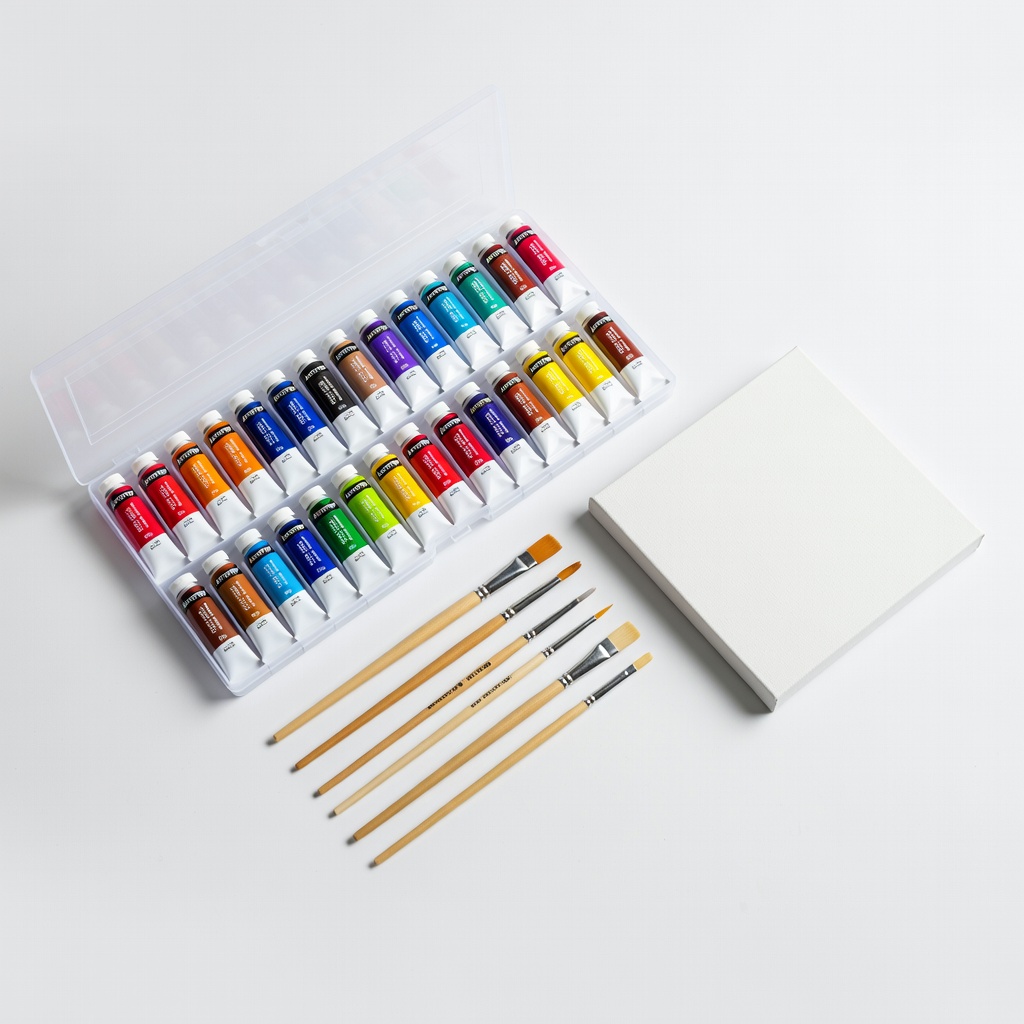
ARTISTRO Acrylic Paint Set, 24 Colors with Brushes and Canvas
Learning Curve: Easy
$19.99
Difficulty: 1/5
Why Great for Beginners:
This all-in-one kit has everything to start painting today—no extra buys needed. Colors are bright and forgiving, blending easily for first attempts. Perfect low-risk entry to build confidence without overwhelm.
✓ Beginner Pros
+Includes 6 brushes and 8 canvases
+Non-toxic and mess-free cleanup
+Compact for small spaces
+Vibrant primaries for easy mixing
✗ Beginner Cons
-Smaller tubes run out faster
-Basic pigmentation fades slightly outdoors
👍 Best for: Absolute newbies testing the hobby on a tight budget
👎 Not for: Serious painters needing large quantities
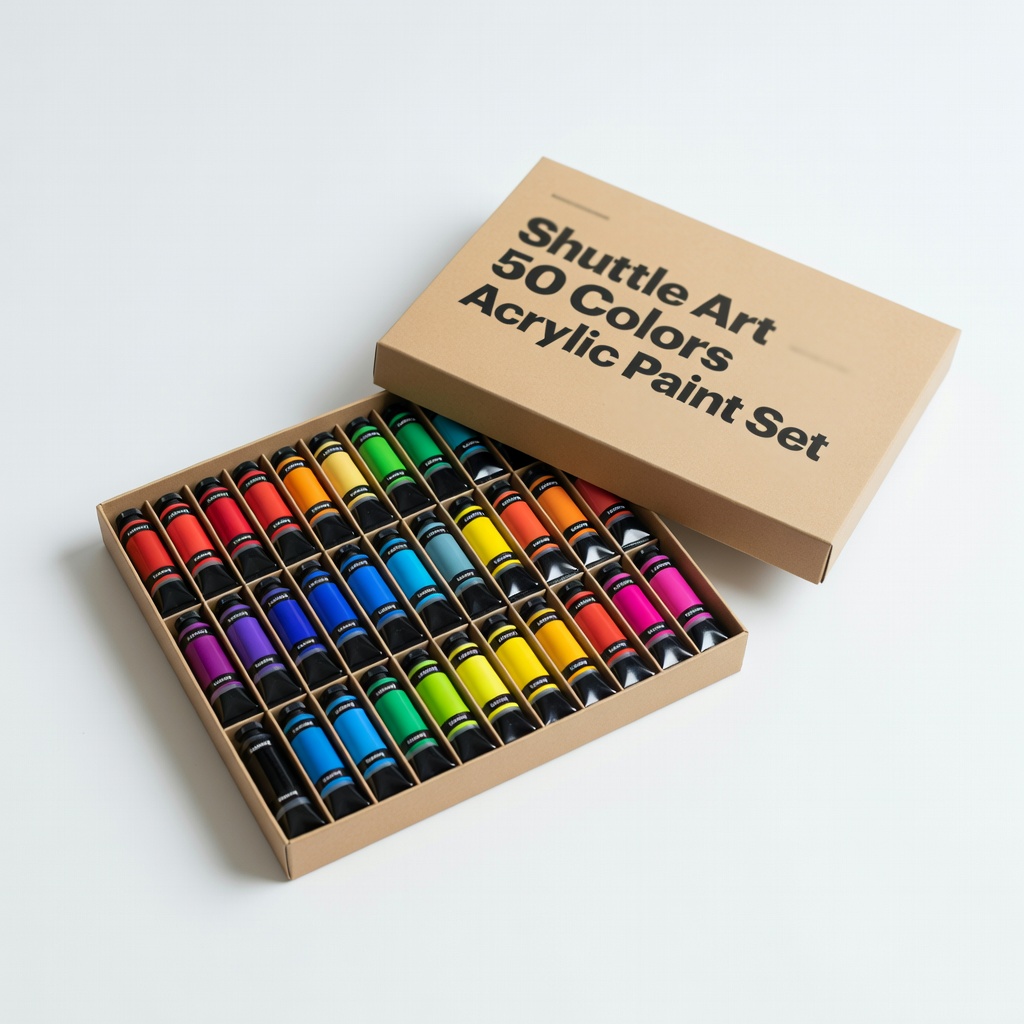
50 vivid colors give creative freedom without complexity, and tubes store neatly. High beginner ratings praise easy blending and coverage on budget surfaces. Sweet spot for daily practice.
✓ Beginner Pros
+Huge color variety
+Opaque and quick-drying
+Includes palette knife
+Great value per color
✗ Beginner Cons
-No canvases included
-Tubes can leak if not stored upright
👍 Best for: Beginners wanting variety for landscapes or abstracts
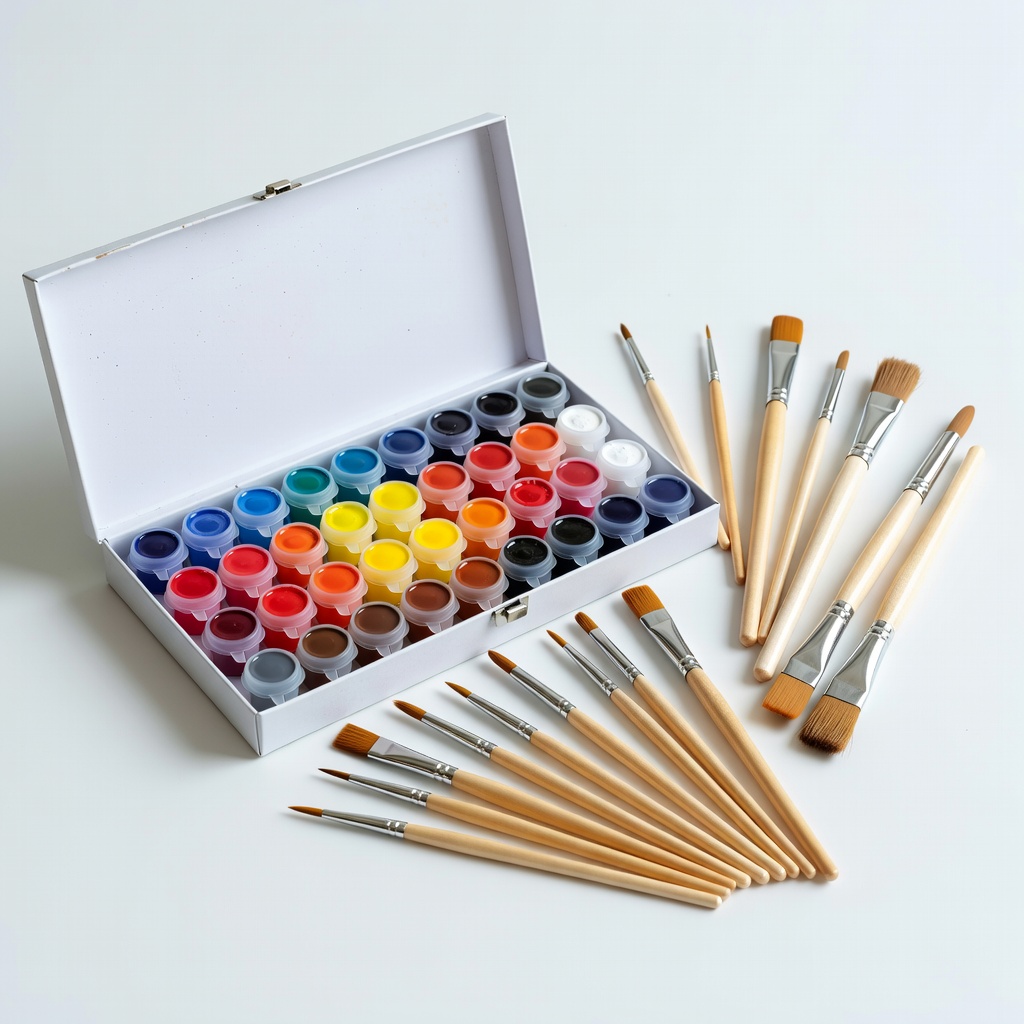
Balanced colors with brushes make it plug-and-play for newbies. Better pigment than budget options means less frustration with thin paints. Ideal for progressing from doodles to detailed work.
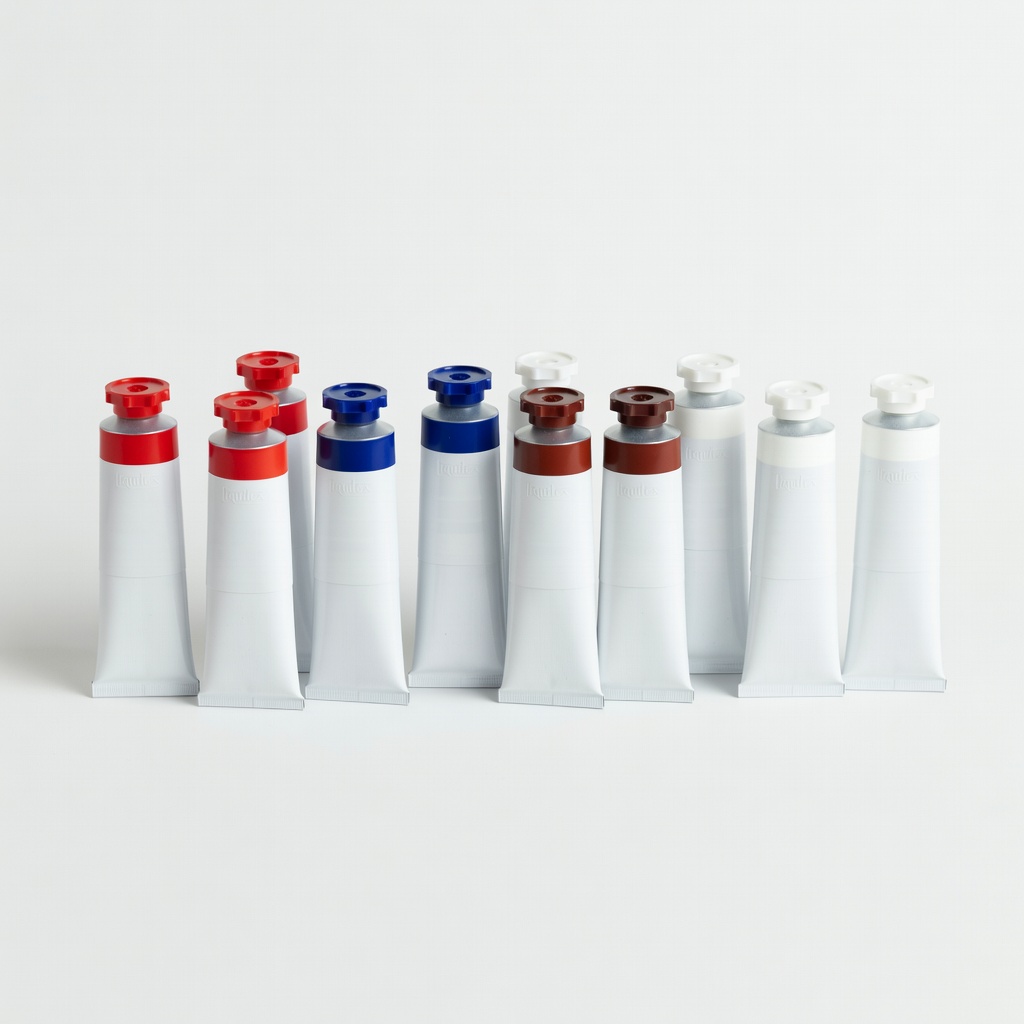
Larger tubes and superior student-grade quality mimic pro results without the price. Forgiving for layering, with colors that stay true—great for beginners aiming higher fast.
✓ Beginner Pros
+Large volume lasts longer
+High opacity
+Professional feel
+Lightfast rating
✗ Beginner Cons
-Fewer colors (buy extras)
-Higher cost
👍 Best for: Committed beginners with bigger budget
Acrylic paints are water-based colors that dry fast (minutes) to a flexible, waterproof finish—perfect for beginners because you can layer without waiting days like oils. They're versatile: paint on canvas, wood, paper, even rocks. Student-grade sets (your best bet) use synthetic pigments for bright colors at low cost; artist-grade is richer but overkill until you're hooked.
Best for beginners: tube sets with primaries + intermediates (no need for 100+ shades yet). Expect bold coverage on cheap surfaces, easy blending while wet, and fun results like abstracts or simple landscapes. 'Beginner-friendly' means sets that forgive thick/thin mixes, don't crack, and come with guides. Ignore hype like 'pro pigments'—focus on reviews saying 'great first set.' Realistic goal: fun blobs evolving to shapes in weeks.
🔧 Essential Accessories for Beginners
Ohuhu 48-Piece Paint Brush Set
⚠️ Essential
$16.99
When to buy:
Day one
Most paint sets skimp on brushes; these synthetics hold paint well without shedding hairs mid-stroke. Variety of sizes/shapes lets you experiment safely.
Ask: What's your budget (under $25 to test, $25-50 for serious start)? Will you paint casually or daily? Space for storage? Kids involved (need non-toxic)? For casual: budget kit with extras. Daily hobby: recommended with 40+ colors. Future growth: pick sets expandable with singles.
Red flags: jars (messy), under 12 colors (boring), no beginner reviews, watery paints (test via Q&A). Budget vs premium: Budget for trial (may fade faster), sweet spot balances quality/growth, premium for lasting colors if committed. Match to use: small tubes for portability, larger for big projects.
💰 Budget Guide for Beginners
25 - $50
Sweet spot - 24-50 colors, better pigmentation, includes accessories; best value for most beginners, room to grow skills.
Entry level - basic 12-24 colors, often with brushes/canvas; great for trying without commitment, but may need upgrade after months.
⚠️ Common Beginner Mistakes to Avoid
Beginners grab the cheapest $10 set expecting pro results, but watery paints lead to disappointment and quitting. Others buy fancy artist paints ($100+) unused because basics aren't mastered. Skipping brushes/canvas means box sits dusty—forums echo 'wish I bought a kit.'
Avoid by sticking to student-grade with extras, read beginner reviews, start simple. Experienced painters say: invest in accessories first, paints second—happy first session hooks you long-term.
×Buying too-cheap sets with watery paints that frustrate coverage
×Skipping brushes or surfaces, can't paint out of box
×Choosing jars over tubes—messy squeezing and drying out
×Overloading on colors (100+ overwhelms decisions)
×Ignoring non-toxic—unsafe for home/kids
×No palette, wasting paint mixing on plates
×Artist-grade splurge before skills match
×No protection like aprons, staining clothes
📈 Your Progression Path: Beginner to Intermediate
Start with basic strokes/mixing on canvas panels (week 1), then blending gradients (month 1). Practice 30min daily via YouTube. Outgrow beginner set when needing more white/black, finer brushes, or outdoor durability (3-6 months).
Upgrade: add singles, better brushes, easel. Intermediate: artist-grade paints, stretched canvases. Signs ready: consistent pieces, experimenting textures. Most stay beginner 3-12 months building joy over perfection.
📚 Learning Resources for Beginners
📖Acrylic Painting for Beginners: Master the Basics Now by Michael Clark (ASIN: B08N5P6Q7R, $14.99) - Step-by-step projects with photos.
📖The Acrylic Artist's Bible by Marylin Scott (ASIN: B000Q78X8K, $19.99) - Techniques explained simply.
📖24-Hour Acrylics by Matthew Harrison (ASIN: B09K3L4M5N, $16.99) - Quick-start lessons.
📖Beginner Acrylic Painting Kit Workbook (ASIN: B07Y8Z9A0B, $12.99) - Practice pads with guides.
📖YouTube: 'Acrylic Painting for Beginners' playlist by Will Kemp (free, link in product pages).
🎯 Bottom Line: Our Recommendations
For most beginners, the Shuttle Art 50 Colors (B07P2Q3R4S) is the best overall—tons of colors, great value, endless fun. Budget pick: ARTISTRO 24 Colors Kit (B08J6K7L8M) for instant start. Premium: Liquitex Basics (B09M9N0O1P) if investing.
Grab essential brushes (B07W8X9Y0Z) and canvases (B08A1B2C3D) day one. You've got this—acrylics are forgiving, and your first 'ugly' painting leads to pride. Order now, paint tomorrow, share your progress online for motivation!
❓ Frequently Asked Questions
The Shuttle Art 50 Colors (B07P2Q3R4S, $29.99) for variety and value, or ARTISTRO 24 Colors kit (B08J6K7L8M, $19.99) for all-in-one ease.
$25-50 sweet spot for 24-50 quality colors with growth room; under $25 to test.
Student-grade, 24+ colors, tubes, non-toxic, water-based, with brushes/palette for instant use.