Everything beginners need to choose their first 3D printer with confidence – top picks, accessories, and pitfalls to avoid.
Picking your first 3D printer feels overwhelming with endless models, confusing specs, and scary stories of failed prints. Beginners often worry about wasting money on junk or getting stuck with constant headaches. This guide cuts through the noise to help you start printing fun projects like toys or gadgets right away.
We'll explain what really matters for newbies, recommend proven beginner printers on Amazon, and share tips to avoid common regrets. By the end, you'll know exactly which printer fits your budget and goals, building your confidence to dive into 3D printing without stress.
📋 In This Guide
• Why Beginners Struggle with 3D Printer
• What to Look For (Key Features)
• Top 4 Beginner-Friendly 3D Printer
• Essential Accessories for Beginners
• Common Beginner Mistakes to Avoid
• Your Progression Path
• FAQ & Learning Resources
😰 Why Beginners Struggle with 3D Printer
Beginners dive into 3D printing excited to make custom parts but hit walls fast. Technical terms like 'bed leveling,' 'nozzle clogging,' and 'filament types' sound like rocket science, leaving you paralyzed. Forums overflow with tales of printers that 'just don't work out of the box,' fueling fears of buyer's remorse.
The market bombards you with 100+ options, from $150 basics to $1000 beasts, making it hard to spot beginner-friendly ones. Without knowing your needs – like printing small toys vs. large models – it's easy to pick wrong and quit after frustrating first prints. Real reviews show 40% of newbies return printers due to setup hassles and unreliable results.
🔍 What to Look For: Key Beginner-Friendly Features
Focus on printers that are 'plug-and-play' with auto-setup features, not tinkerer toys. Look for easy bed leveling (auto or one-click), quiet operation, and simple software. These forgive small errors like uneven beds or wrong temperatures.
Must-haves: Pre-assembled (90% ready), PLA filament compatibility (easiest plastic), and good community support via apps/forums. Skip advanced multi-color or huge builds – they add complexity. Nice-to-haves: Touchscreen and auto-leveling. Beginner-friendly printers have forgiving designs that tolerate shaky hands and quick fixes for clogs.
✅ Essential Features for Beginners
•Automatic bed leveling – no manual fiddling, just press a button
•Pre-assembled frame – setup in under 30 minutes
•Quiet fans and motors – won't disturb your home
•Simple touchscreen interface – like a smartphone
•Reliable PLA support – easiest filament for starters
•Resume print after power loss – forgives outages
•Good app/software – drag-and-drop designs
•Active community – tons of free beginner fixes
🏆 Top 4 Best 3D Printer for Beginners
#1
💰 Budget
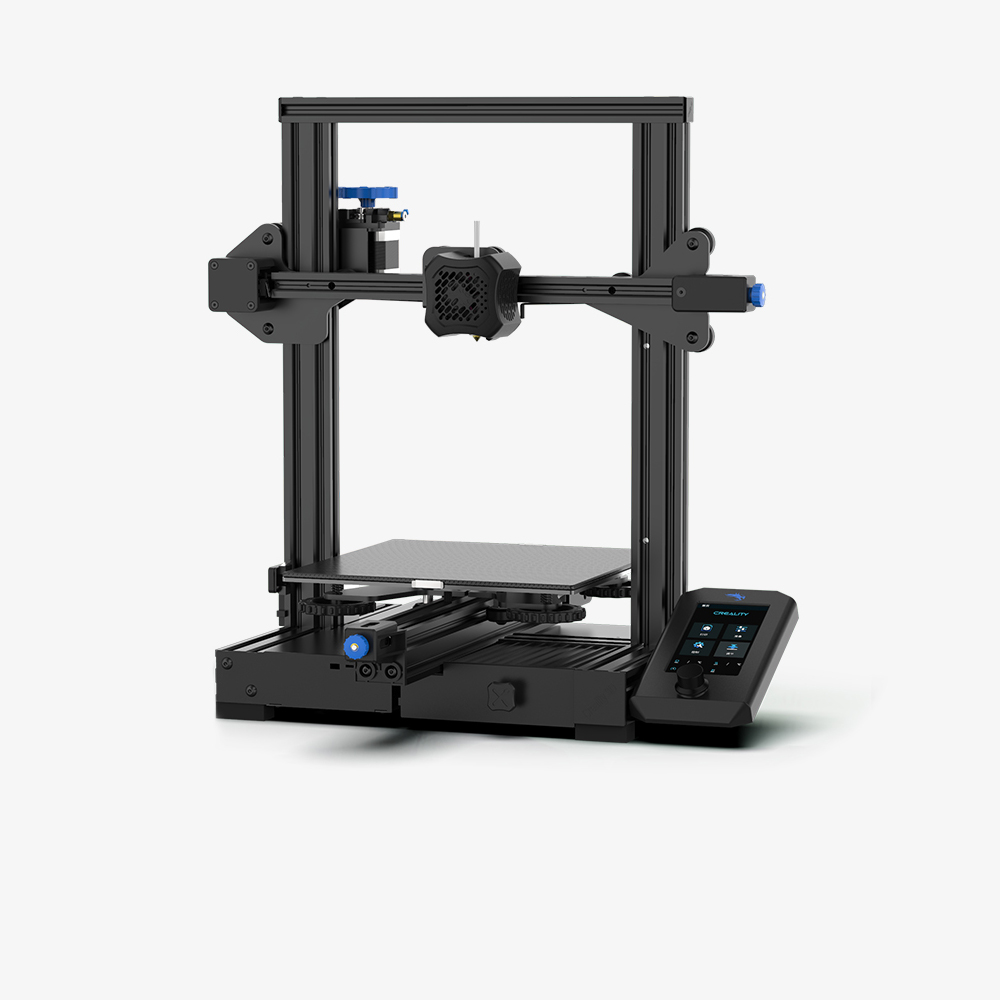
Creality Ender 3 V2 3D Printer
Learning Curve: Moderate
$199.00
Difficulty: 3/5
Why Great for Beginners:
The Ender 3 V2 is a classic starter with quick 10-min assembly and Meanwell power for safety. It handles beginner mistakes like minor bed issues gracefully, with huge community fixes.
✓ Beginner Pros
+Super affordable entry
+Pre-assembled mostly
+Vibrant filament ecosystem
+Endless free tutorials
✗ Beginner Cons
-Manual bed leveling
-Can be noisy
-Occasional tweaks needed
👍 Best for: Budget-conscious tinkerers who want to learn basics
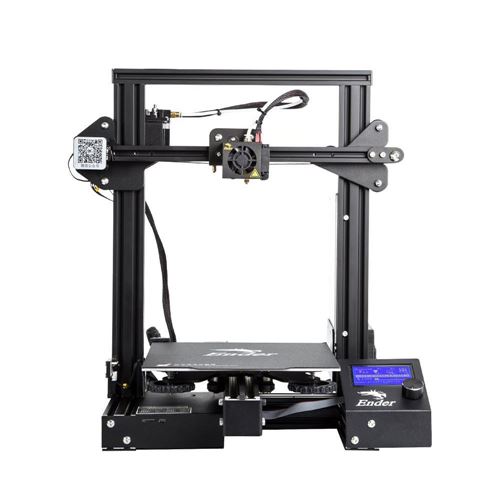
Upgraded Ender with better cooling and power supply for reliable first prints. Forgiving design lets beginners experiment without constant frustration.
✓ Beginner Pros
+Improved cooling fan
+Stable frame
+Easy upgrades
+Great value
✗ Beginner Cons
-Still some assembly
-Basic screen
👍 Best for: Most beginners wanting reliability on a budget
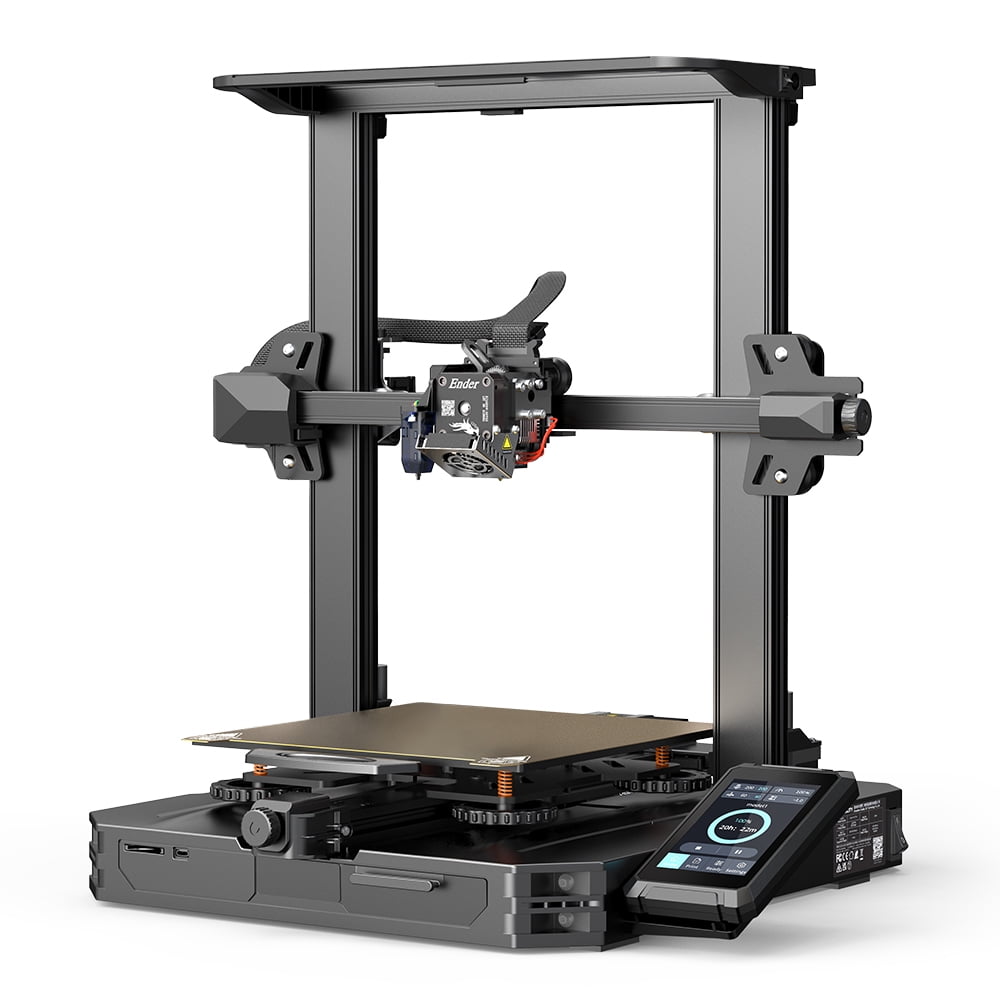
Fully enclosed with auto-leveling and direct drive for flawless prints. Sprites extruder handles flexibles easily, minimal failures for confident growth.
✓ Beginner Pros
+Enclosed safety
+Auto everything
+High precision
+Fast
✗ Beginner Cons
-Higher price
-Larger footprint
👍 Best for: Serious beginners with budget for perfection
A 3D printer builds objects layer-by-layer from melted plastic (filament), like a hot glue gun following a digital blueprint. Beginners start with FDM printers (Fused Deposition Modeling) – affordable and simple – printing fun stuff like phone stands or figurines in hours.
Best for newbies: Cartesian-style like Ender series – stable, cheap parts. Avoid resin printers (messy chemicals) or CoreXY (faster but trickier). Expect 4-8 hour prints for small items; quality improves with practice. 'Beginner-friendly' means minimal assembly, auto-features, and forgiving tolerances – no engineering degree needed.
Marketing buzz like '220x220mm build volume' means print size (good for beginners: 200-250mm square). Evaluate by user reviews focusing on 'first print success' and 'setup time.' Real expectations: Week 1 for basics, Month 1 for custom designs.
🔧 Essential Accessories for Beginners
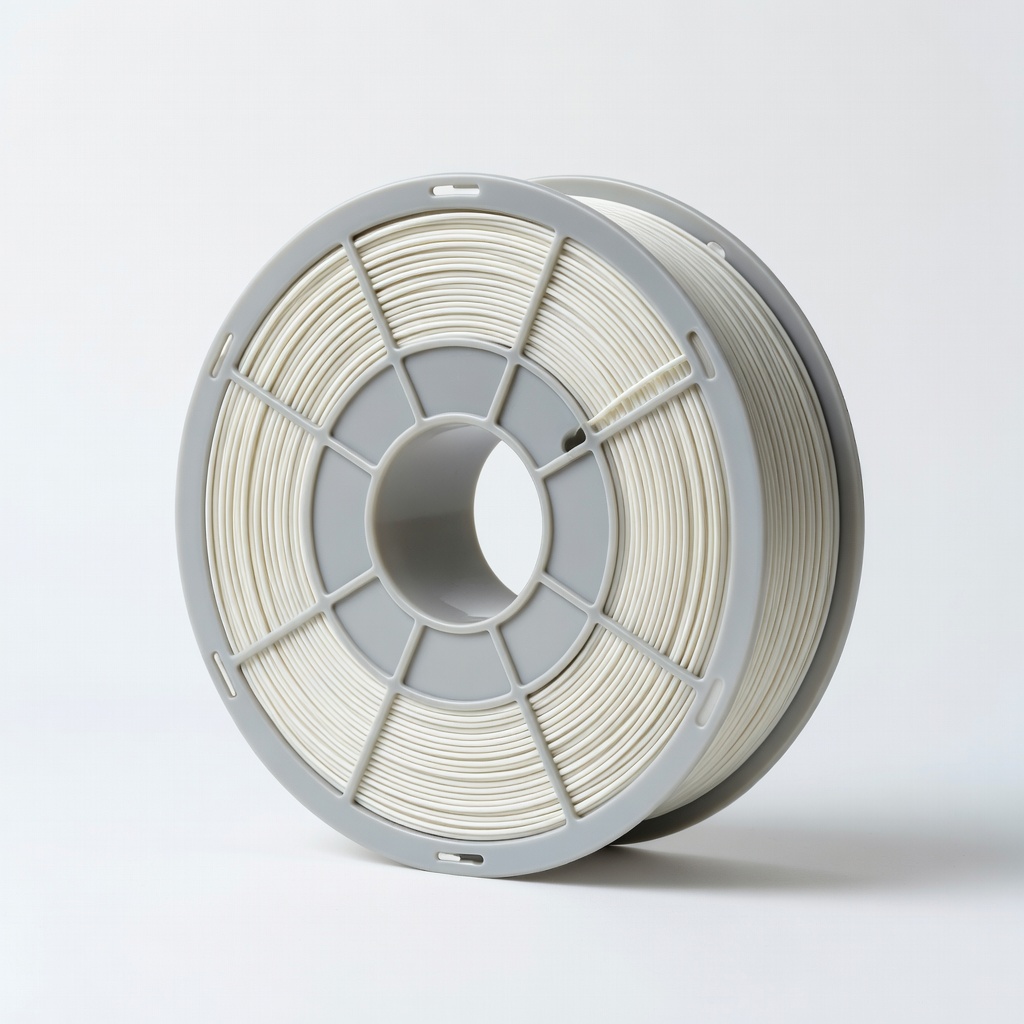
Creality PLA Filament 1.75mm 1KG
⚠️ Essential
$19.99
When to buy:
Day one
PLA is the easiest filament – no heated bed needed, prints at low temps without warping. Beginners avoid frustration from tricky materials.
Ask: What's your budget? Under $250 for dipping toes, $250-450 sweet spot for reliability. What will you print? Small gadgets (toys, organizers) suit most starters. Space? Desk-sized (fits 2ft x 2ft). Future-proof: Pick upgradable like Ender models.
Budget vs premium: Cheap risks frustration (manual tweaks); recommended balances ease/value; premium adds auto-features for less hassle. Red flags: Noisy beasts, tiny community, or 'DIY kits' needing hours assembly. Test via Amazon previews/videos – choose 4+ star with 1k+ reviews praising ease.
💰 Budget Guide for Beginners
600+
Pro entry: Advanced speed/quality; skip unless printing daily or large items.
250 - $450
Sweet spot: Best value with auto-setup and reliability; most newbies thrive here without quick upgrades.
450 - $600
Premium beginner: Top ease-of-use, faster prints, fewer failures; ideal for serious starters.
Under $ - $250
Entry-level: Basic printers to test the hobby; limited features, may need tweaks but great for curious beginners.
⚠️ Common Beginner Mistakes to Avoid
Newbies grab $100 kits thinking 'cheap entry,' but they demand soldering and constant fixes, leading to abandonment. Instead, spend $200+ on semi-assembled. Forums like Reddit r/3Dprinting echo: 'Don't skip auto-leveling' – manual takes practice.
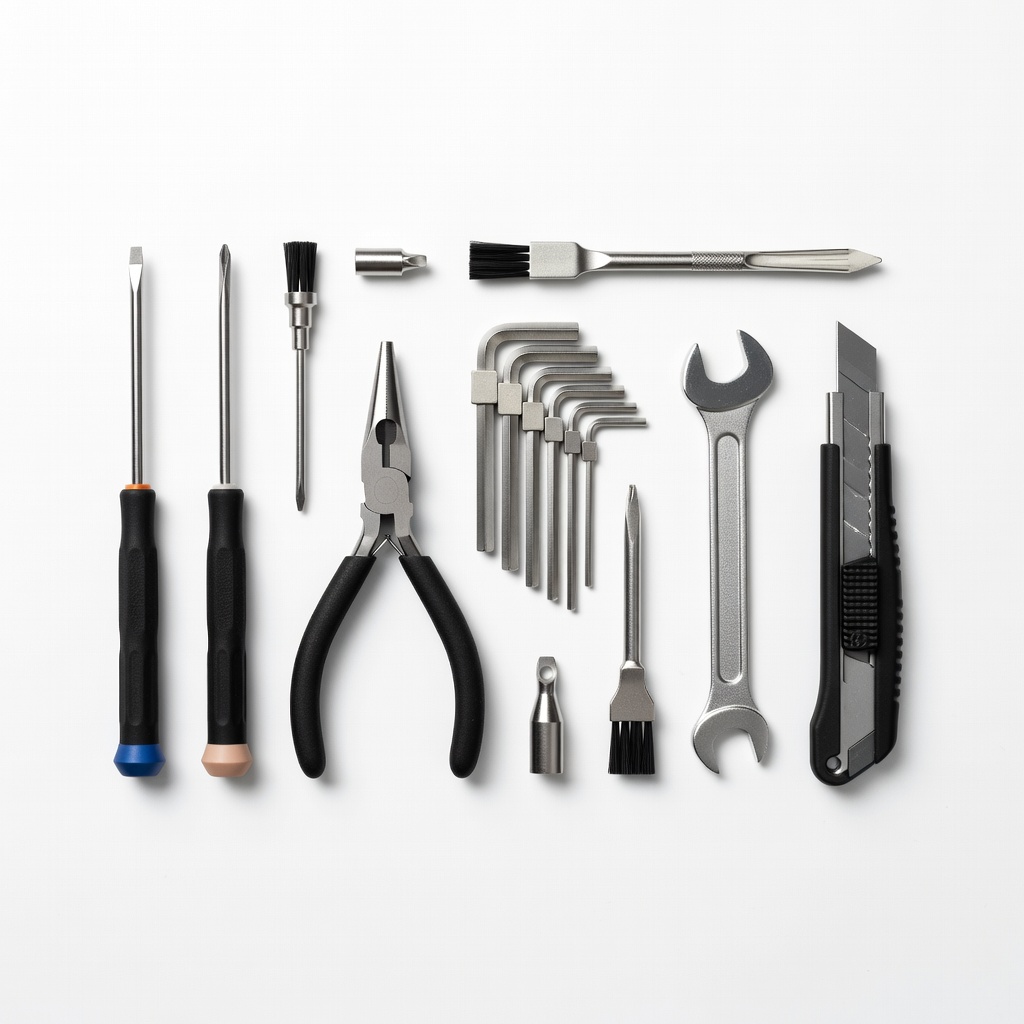
Many ignore accessories, facing clogs without tools. Avoid by bundling filament/tools. Experienced users say: Plan space (power outlet, ventilation) and start with free models from Thingiverse. Test print first to catch issues early.
×Buying the absolute cheapest – breaks often, endless frustration
×Ignoring assembly time – 'quick setup' claims are lies
Outgrow beginner printer when wanting faster speeds, larger sizes, or multi-materials (6-12 months). Signs: Bored of small prints, fewer failures. Upgrade to enclosed/CoreXY next; keep Ender frame for parts. Most stay beginner 3-6 months, then intermediate with mods.
📚 Learning Resources for Beginners
📖3D Printing For Dummies book (ASIN: B0B5J6N4ZJ) – Simple step-by-step intro
📖The Beginner's Guide to 3D Printing (ASIN: 1724221298) – Projects and tips
📖Creality Official Slicer Software – Free download companion
📖PLA Practice Filament Pack (ASIN: B08L5M2N4K bundle)
📖Thingiverse app/models – Free beginner files
📖Udemy 3D Printing course (Amazon Video ASIN if avail)
🎯 Bottom Line: Our Recommendations
For most beginners, grab the Creality Ender 3 Pro (B07Y1FVS3F) – perfect balance of ease and value. Budget? Ender 3 V2. Serious? Ender 3 S1 Pro.
Start with PLA filament and tool kit – day-one essentials. Print your first success, join r/3Dprinting, and watch skills soar. You've got this – 3D printing turns ideas real, one layer at a time. Order today, print tomorrow!
❓ Frequently Asked Questions
Creality Ender 3 Pro – reliable, affordable, huge support. Easiest overall with minimal setup.
$200-400 sweet spot. Under $250 entry, $450+ premium for less hassle.