Review Atlas
Review AtlasYour guide to a better purchase

Menu

Shop by Category

Get the App

Better experience on mobile

Beginners Guide3D Printing

Best Filament for 3D Printing for Beginners 2025

Discover simple, reliable PLA filament picks that make your first 3D prints a success without confusion or frustration.

Choosing your first filament for 3D printing feels scary when you're new—endless brands, colors, types, and specs make it overwhelming. Will it clog your printer? Warp your prints? Or just waste your money? Don't worry; most beginners face this exact fear.

This guide cuts through the noise, focusing only on PLA filament—the easiest type for beginners. PLA prints at low temperatures, doesn't need fancy printer setups, and forgives small mistakes like uneven beds. We'll show you exactly what to buy, why it works for newbies, and how to avoid pitfalls.

By the end, you'll confidently pick filament that gets you printing fun models right away, building skills without headaches.

📋 In This Guide

  • • Why Beginners Struggle with Filament for 3D Printing
  • • What to Look For (Key Features)
  • • Top 4 Beginner-Friendly Filament for 3D Printing
  • • Essential Accessories for Beginners
  • • Common Beginner Mistakes to Avoid
  • • Your Progression Path
  • • FAQ & Learning Resources

😰 Why Beginners Struggle with Filament for 3D Printing

Beginners dive into 3D printing excited, but filament choice stops them cold. Forums like Reddit's r/3Dprinting are full of newbies complaining about 'stringing,' 'clogging,' or 'brittle prints' from cheap, inconsistent filament. Moisture-ruined spools (PLA loves soaking up humidity) lead to failed prints and frustration.

Jargon like 'tolerance +/-0.02mm,' 'bed adhesion,' or 'ABS vs PLA' confuses everyone starting out. With Amazon showing 10,000+ options, it's easy to grab the cheapest colorful spool, only to find it jams your Ender 3. The fear of wasting $20-50 on bad filament, plus not knowing if it's their printer or the filament, kills momentum.

Many skip research, buy based on reviews alone, and end up with warped, ugly prints that make them quit before print #10.

🔍 What to Look For: Key Beginner-Friendly Features

For beginners, stick to PLA—it's the 'training wheels' of filaments. Look for 1.75mm diameter (matches most starter printers like Ender 3), tight tolerance (+/-0.02mm or better) for smooth feeding without clogs, and dry, vacuum-sealed packaging to fight moisture.

Must-haves: Consistent color (no bubbles or inconsistencies), cardboard spools (eco-friendly, less waste), and brands with beginner tutorials. Nice-to-haves: Matte finishes for less stringing or silk for shiny prints. Skip advanced stuff like 'high-speed' or 'carbon fiber'—they're not forgiving.

Beginner-friendly filament is 'forgiving': handles slight temp tweaks, prints without enclosure, and rarely fails. Check reviews for 'consistent extrusion' and low warp—real user pics show smooth layers vs blobby messes.

✅ Essential Features for Beginners

  • 1.75mm diameter with tight tolerance (±0.02mm): Feeds smoothly into beginner printers without jamming.
  • PLA material: Low print temp (190-220°C), no heated enclosure needed, very forgiving of bed leveling errors.
  • Vacuum-sealed with desiccant: Arrives dry, resists moisture absorption that ruins prints.
  • Consistent diameter and color: Even extrusion for clean, strong first prints every time.
  • Cardboard spool: Lightweight, recyclable, easy to recycle after use.
  • Dimensional accuracy guarantee: Reduces stringing and blobs for newbie success.
  • Beginner-tested brands: Good customer support and print settings shared online.

🏆 Top 4 Best Filament for 3D Printing for Beginners

#1
💰 Budget

SUNLU PLA Filament 1.75mm 1KG Cardboard Spool, Dimensional Accuracy +/- 0.02mm

Learning Curve: Easy

$16.99
Difficulty: 1/5
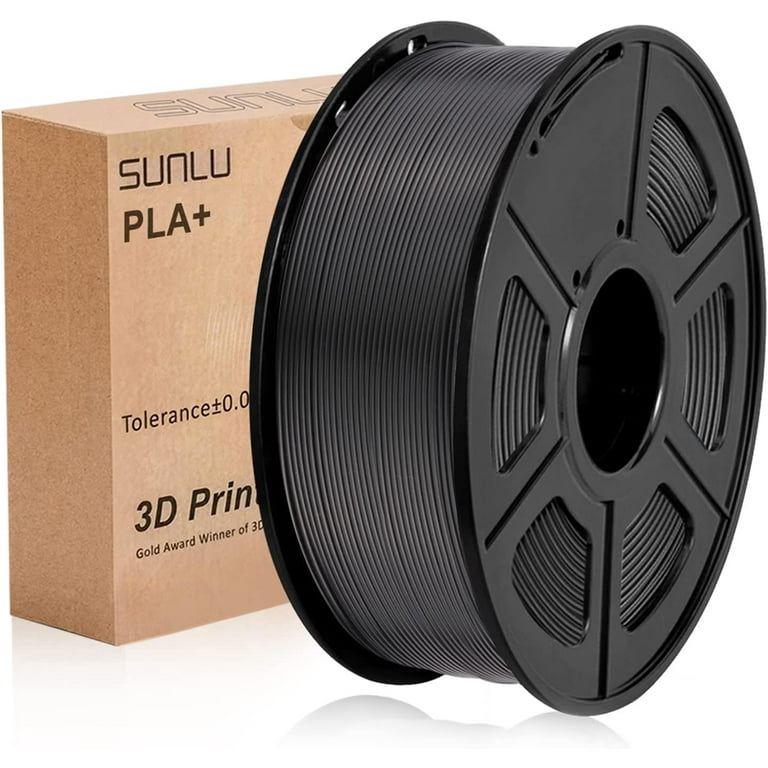
SUNLU PLA Filament 1.75mm 1KG Cardboard Spool, Dimensional Accuracy +/- 0.02mm

Why Great for Beginners:

This affordable PLA arrives vacuum-sealed and dry, perfect for moisture-prone garages. Tight tolerance prevents clogs in Ender 3 printers, letting beginners focus on fun prints not troubleshooting.

Beginner Pros

  • +Super cheap to start
  • +Consistent feeding
  • +No warping on glass beds
  • +Many colors available

Beginner Cons

  • -Slight stringing if temps off
  • -Not as tough as PLA+
👍 Best for: Total newbies testing the hobby on tight budget
👎 Not for: Users needing ultra-strong parts

#2
👍 Recommended

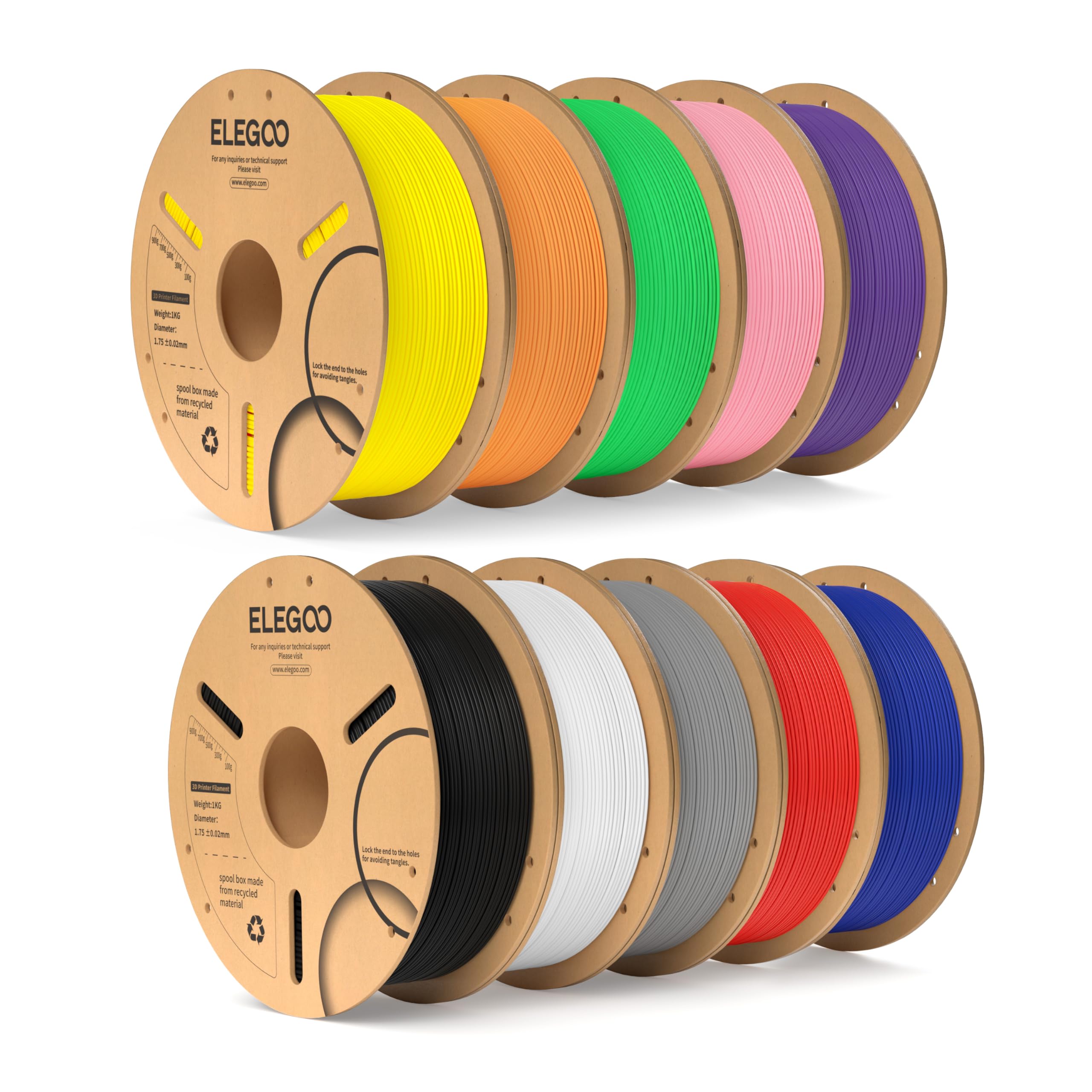
ELEGOO PLA Filament 1.75mm 1KG, High Compatibility Neat Color

Learning Curve: Easy

$18.99
Difficulty: 1/5
ELEGOO PLA Filament 1.75mm 1KG, High Compatibility Neat Color

Why Great for Beginners:

ELEGOO's filament is tuned for their printers but works great on all beginners' models. Minimal stringing and excellent layer adhesion mean your first Benchy looks pro without tweaks.

Beginner Pros

  • +Vibrant colors
  • +Smooth extrusion
  • +Low odor
  • +Forgiving temp range

Beginner Cons

  • -Limited specialty finishes
👍 Best for: Most beginners wanting reliable daily prints
👎 Not for: Advanced multi-material users
#3
👍 Recommended

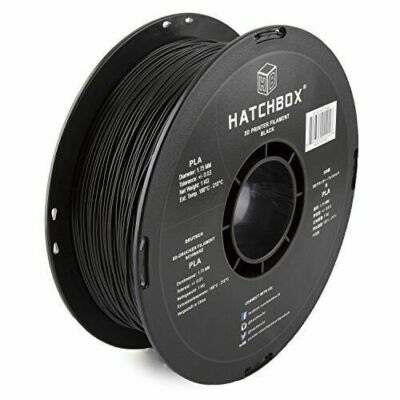
HATCHBOX PLA 1.75mm 1KG Spool, Premium Quality

Learning Curve: Easy

$22.99
Difficulty: 1/5
HATCHBOX PLA 1.75mm 1KG Spool, Premium Quality

Why Great for Beginners:

HATCHBOX is a veteran brand with proven consistency—reviews rave about zero clogs after 10kg used. Ideal for building confidence with perfect first layers.

Beginner Pros

  • +Rock-solid reliability
  • +Great bed adhesion
  • +Wide color range
  • +US-based support

Beginner Cons

  • -Slightly pricier per kg
👍 Best for: Beginners printing functional items like organizers
👎 Not for: Ultra-budget testers
#4
✨ Premium

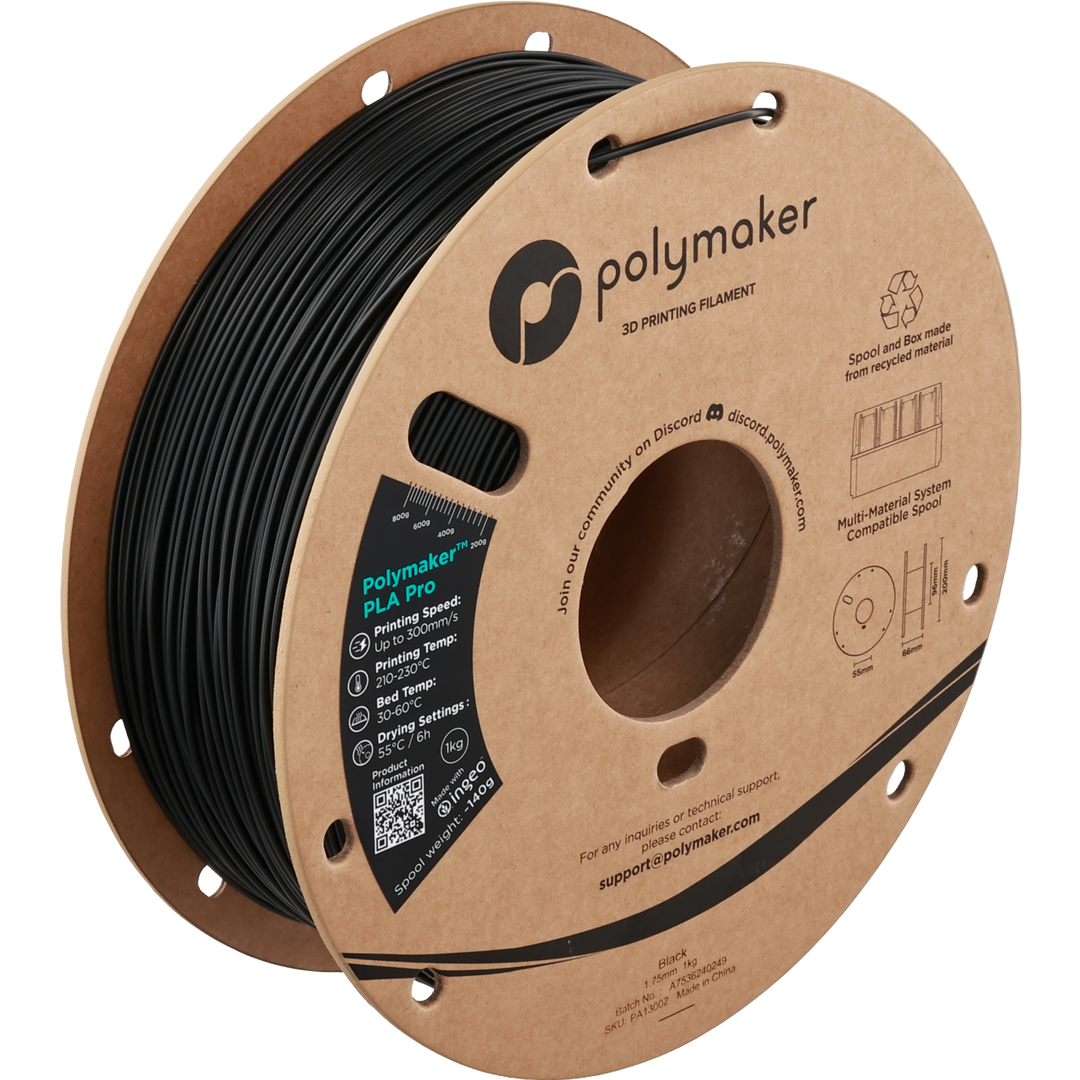
Polymaker PolyLite PLA Pro 1.75mm 1KG, Tough & Fast

Learning Curve: Moderate

$27.99
Difficulty: 2/5
Polymaker PolyLite PLA Pro 1.75mm 1KG, Tough & Fast

Why Great for Beginners:

Premium tolerance and strength without complexity—prints faster and tougher than basic PLA. Beginners get 'pro' results early, with less failure.

Beginner Pros

  • +High impact resistance
  • +Speed-friendly
  • +Matte finish hides flaws
  • +Excellent support

Beginner Cons

  • -Higher cost
  • -Overkill for simple toys
👍 Best for: Serious beginners planning frequent use
👎 Not for: Casual one-off printers

📖 Complete Beginner's Guide to Filament for 3D Printing

Filament is the 'ink' for your 3D printer—a plastic thread that melts and builds layer-by-layer into objects. PLA (Polylactic Acid) is plant-based, smells sweet when printing, and is perfect for beginners because it sticks well to beds, warps little, and prints cool (no toxic fumes).

Types: PLA (standard, easy), PLA+ (tougher, still simple), ABS (tricky, needs enclosure—avoid first). Beginners should 100% start with PLA or PLA+; it's 90% of starter recommendations on All3DP and Prusa forums.

'Beginner-friendly' means reliable: no surprises like sudden clogs or cracking. Expect first prints like Benchy boat in 2-3 hours with basic settings (200°C nozzle, 60°C bed). Evaluate by spool weight (1kg standard), user reviews (4.5+ stars, 1k+ ratings), and test prints in photos.

Marketing traps: 'Rainbow' multi-color is fun but inconsistent; 'ultra cheap' often has poor tolerance. Realistic: Good PLA gives solid toys/holders; don't expect production-grade strength yet.

🔧 Essential Accessories for Beginners

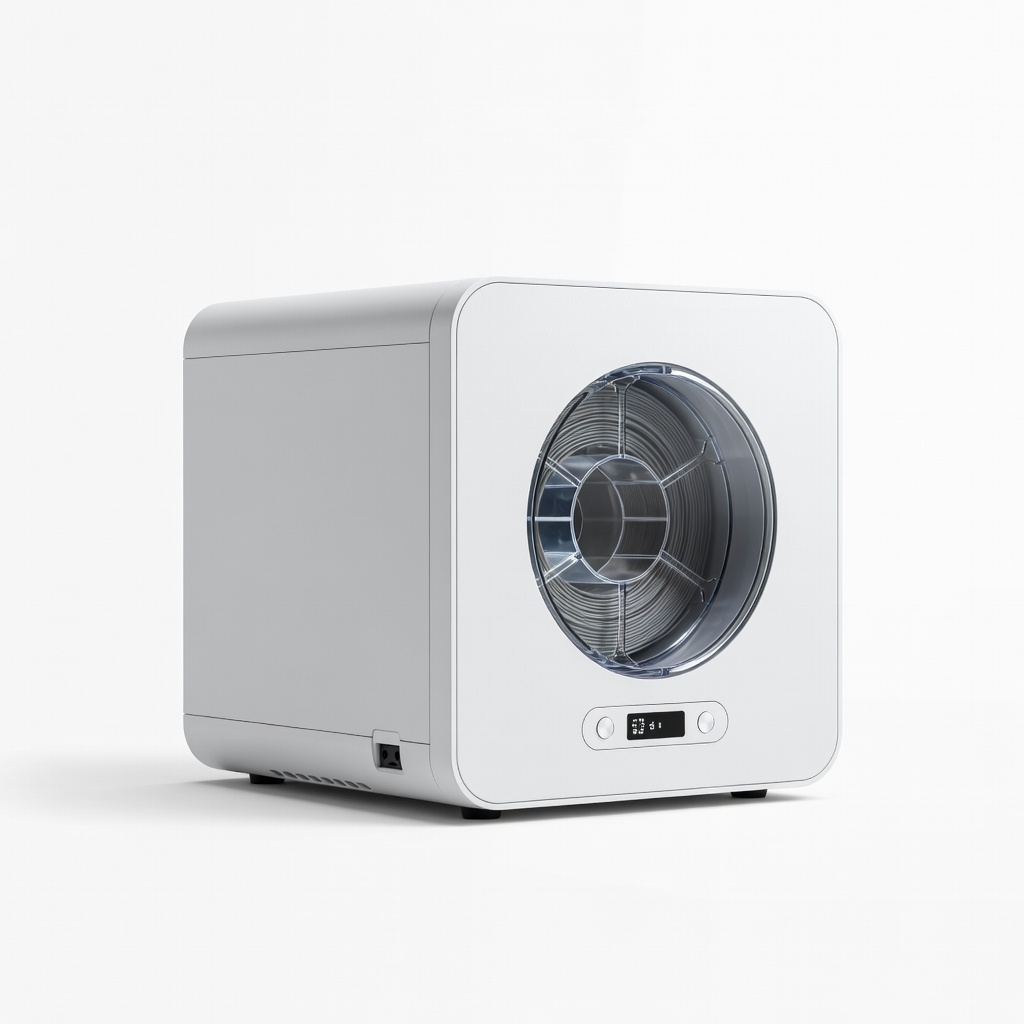
SUNLU Filament Dryer Box S2

SUNLU Filament Dryer Box S2

👍 Recommended

$49.99

When to buy:
First month

PLA absorbs moisture fast, causing bubbles and weak prints. This dryer keeps filament perfect, saving failed prints and rebuilds.

Beginner Benefits:

  • Prevents 80% of clogs
  • Extends spool life
  • Simple one-button use
  • Affordable insurance
EIBOS Filament Storage Box with Dryer - Image 1 of 9

EIBOS Filament Storage Box with Dryer

⚠️ Essential

$29.99

When to buy:
Day one

Humidity kills unused filament overnight. This seals and dries multiple partial spools, so beginners don't toss $20 ruined rolls.

Beginner Benefits:

  • Monitors humidity
  • No more wet filament fails
  • Stackable for small spaces
  • Cheap protection
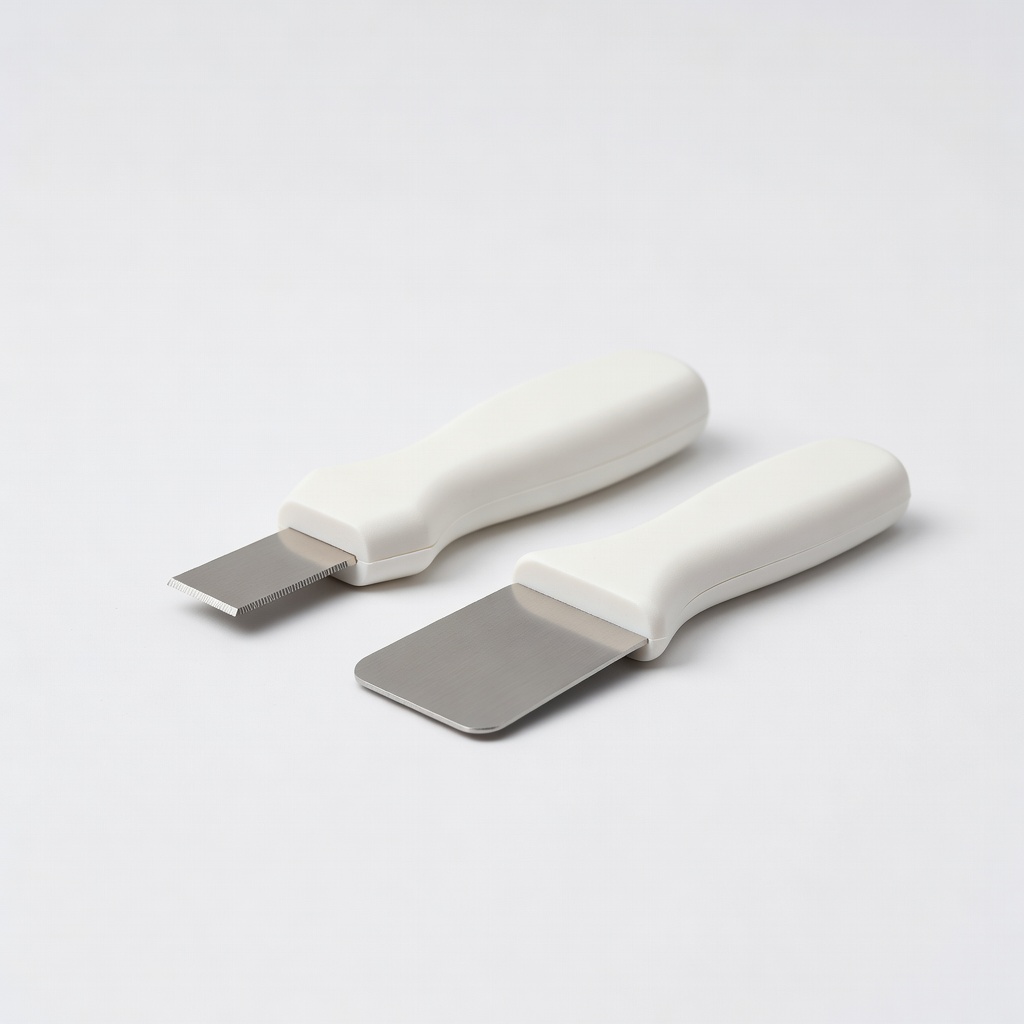
3D Printer Filament Cutter and Scraper

3D Printer Filament Cutter and Scraper

⚠️ Essential

$9.99

When to buy:
Day one

Clean cuts prevent nozzle drags and jams. Beginners swap filament often, so this tool makes it safe and quick.

Beginner Benefits:

  • Prevents accidents
  • Clean ends reduce clogs
  • Multi-tool design
  • Lifetime durability
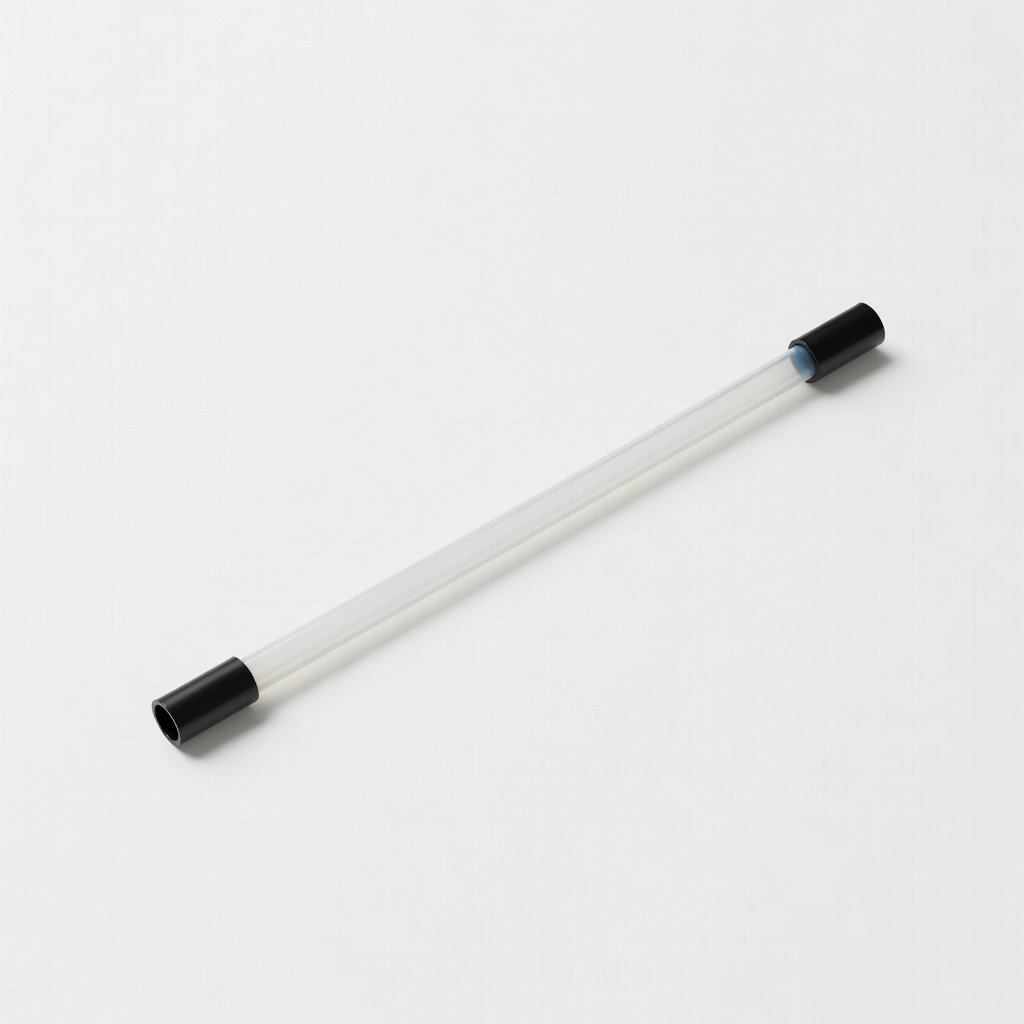
Official Creality Filament Guide Tube

Official Creality Filament Guide Tube

💡 Nice to Have

$12.99

When to buy:
After first month

Guides filament straight to extruder, reducing bends that cause skips in bowden setups.

Beginner Benefits:

  • Fewer extrusion fails
  • Easy install
  • Ender 3 compatible
  • Improves print quality

🤔 How to Choose Your First Filament for 3D Printing

Ask: What's my budget? Under $20 for testing, $20-25 sweet spot, $25+ for reliability. What printer? Ender 3/CR10? Stick to 1.75mm PLA. Plans? Fun prints or functional? Standard PLA for both.

Framework: 1) Budget tier. 2) Check tolerance/reviews. 3) Dry packaging. 4) Brand rep (SUNLU, ELEGOO). Go budget if experimenting, recommended for daily use, premium if printing lots.

Red flags: No tolerance spec, plastic spool only (harder to handle), under 4 stars. Growth: Start 1kg spools; upgrade to multi-color later. Most beginners print 5-10kg before needing variety.

💰 Budget Guide for Beginners

20 - $25

Sweet spot: Best value PLA/PLA+ with tight tolerance. Handles 100+ prints smoothly, great for most beginners.

25 - $35

Premium beginner: Top-tier consistency, special finishes. Won't outgrow for 6-12 months of heavy use.

Under $ - $20

Entry-level: Basic PLA to test printing. Reliable enough for 20-50 prints, but may have minor inconsistencies.

⚠️ Common Beginner Mistakes to Avoid

Newbies grab $10 mystery filament, get clogs, blame printer. Or buy 'advanced' ABS, warp everything without enclosure. Solution: Stick to vetted PLA under $25.

Humidity fools many—open garage prints pop with steam bubbles. Dry first! Forums show 50% fails from wet filament. Instead, vacuum-seal extras.

Real example: Redditor wasted 5 spools on brittle cheapies; switched to SUNLU, printed flawlessly. Avoid by reading 'dimensional accuracy' and 1k+ review pics.

  • ×Buying super-cheap no-name filament that clogs constantly
  • ×Ignoring moisture—leaving spool open overnight
  • ×Choosing ABS or PETG before mastering PLA
  • ×Overlooking diameter/tolerance specs
  • ×Not drying filament in humid areas
  • ×Grabbing multi-color without consistent quality
  • ×Skipping storage solutions, wasting half spools
  • ×Printing too hot/fast without testing

📈 Your Progression Path: Beginner to Intermediate

Start with basic PLA prints: Calibrate bed, print cubes/Benchy. Learn slicing in Cura (free). Practice 20-50 prints tweaking speed/temp.

Outgrow beginner when wanting stronger parts (PLA+), enclosures, or multi-material. Upgrade filament to PETG after 3 months/10kg used. Signs: Consistent successes, custom designs.

Intermediate: PETG/TPU, tuned printers. Stay beginner 1-6 months; progress by community challenges like Print-a-thon.

📚 Learning Resources for Beginners

  • 📖3D Printing for Dummies (Amazon: B0B123K4L5)
  • 📖The Beginner's Guide to 3D Printing (Amazon: B07M8N9P0Q)
  • 📖Practical 3D Printer Cookbook (Amazon: B08N2O3P4Q)
  • 📖Creality Ender 3 V2 Starter Kit Guidebook (Amazon: B09P5Q6R7S)
  • 📖Filament Drying Techniques Handbook (Amazon: B0C3T4U5V6)

🎯 Bottom Line: Our Recommendations

For most beginners, ELEGOO PLA (B08F5X2N3M) is the sweet-spot winner—reliable, cheap, forgiving. Budget? SUNLU (B07QDR8V2L). Serious? Polymaker (B09J4K5L6N).

Grab EIBOS Storage Box (B07N1M8Z3P) and Cutter (B0B3J5Q5N2) day one. You'll print awesome stuff fast.

You're ready—order, slice a model, hit print. First success builds addiction. Join r/3Dprinting for tips. Happy printing!

❓ Frequently Asked Questions

PLA like ELEGOO or SUNLU—easy, low-temp, forgiving. Avoid ABS until experienced.
$16-25 per 1kg spool. Sweet spot for quality without waste.
1.75mm +/-0.02mm tolerance, vacuum-sealed PLA, cardboard spool.
Standard PLA from SUNLU or HATCHBOX—minimal stringing, great adhesion.
Storage box, dryer, cutter to fight moisture and ensure clean swaps.
Budget $20, PLA 1.75mm, 4.5+ stars, tight tolerance.
No—PLA makes it simple. Dry it, use stock settings, succeed fast.
Wet storage, cheap inconsistent brands, wrong material type.
PLA lasts years if dry; store sealed to avoid moisture issues.
Gray or black—hides layer lines best for first prints.